There was a time when the melodies of All India Radio echoed from farms and fields to homes and offices across the country. It seemed as though the entire nation swayed to its musical waves. Whenever a news bulletin or public message was broadcast, it was regarded as an address to the nation itself. Over the decades, All India Radio (AIR) has delivered news, information, and warnings during times of crisis. It has provided valuable guidance on agriculture, education, and public welfare, while also entertaining generations of listeners. Through its accessibility and evolving technology, AIR has continued to serve people of all ages and backgrounds.
Since its establishment on June 8, 1936, All India Radio has remained the heartbeat of the nation. On June 8, 2026, it will complete 90 years of its illustrious journey. In many ways, AIR has been India's companion for nine decades.
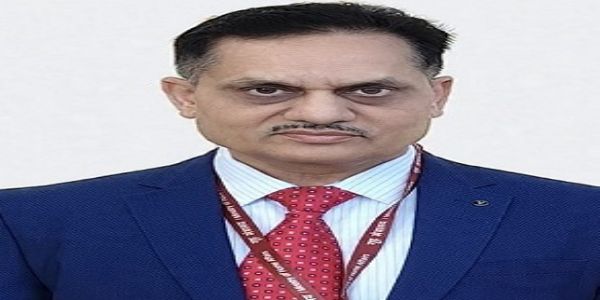
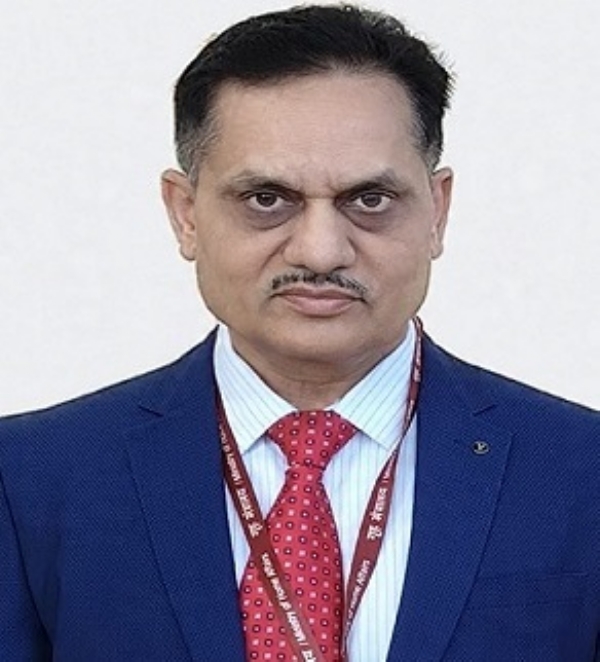
On this significant occasion, Hindusthan Samachar spoke exclusively with AIR Director General Rajeev Kumar Jain. Excerpts from the interview conducted by Sanjeev Kumar are presented below.
Congratulations on AIR completing 90 glorious years. It has crossed many milestones. What would you like to say on this occasion?
Director General: Congratulations to you as well. Reaching this milestone has been possible because of the contributions of our programme producers, technicians, engineers, and every individual associated with AIR. Whether engineers, programme creators, or technicians, all have devoted their energy to informing the nation, entertaining citizens, and introducing the world to India's rich musical and cultural heritage. They have worked for the country and its people. Therefore, AIR's 90-year journey is not only a matter of pride for AIR, Prasar Bharati, or its employees, but for the entire nation. Equally important is the affection and trust people have shown towards AIR. The love of our listeners has brought us to this landmark.
How do you view AIR's 90-year journey?
Director General: Ninety years ago, when radio arrived in India as All India Radio, it was a completely new medium. Established on June 8, 1936, it was initially known only as All India Radio. In 1956, following a suggestion by Pandit Narendra Sharma, it was renamed Akashvani.
At that time, newspapers were neither as attractive nor as widely accessible as they are today. Radio, being a technology-driven medium, fascinated people. When voices and information began reaching homes, offices, farms, and gardens in remote corners of the country, it received an overwhelming response. Initially, radio was used mainly for news and information, but gradually music, drama, and other programmes became popular.
Radio sets were expensive in the beginning, and listeners even had to pay licence fees. Broadcast and production technologies were complex. Yet, because radio was both new and remarkable, public interest grew steadily. As technology improved and affordable transistor radios became widely available, AIR was embraced by the masses and soon became the nation's heartbeat.
AIR broadcasts a wide range of content, from music to news. What is the policy behind selecting and broadcasting programmes?
Director General: AIR's guiding principle is Bahujan Hitaya, Bahujan Sukhaya — for the welfare and happiness of the greatest number of people. Whether it is music, entertainment, or news, every programme is designed with public interest and public benefit in mind.
As far as news is concerned, AIR believes in broadcasting accurate and verified information rather than rushing to break news. We ensure proper verification before airing any report. Credibility is our greatest asset, and this principle guides all our broadcasts.
We now live in the internet age. How is AIR maintaining its relevance in a rapidly changing media environment?
Director General: Radio remains one of the most accessible communication tools. It can instantly reach remote locations and continues to be highly effective during emergencies. That remains AIR's greatest strength.
Today, media convergence has brought newspapers, radio, and television onto digital platforms. While radio has traditionally been an audio medium, AIR has expanded significantly. Alongside traditional radio receivers, AIR now offers podcasts and digital streaming services. It is present on social media platforms such as X, Facebook, and Instagram, and also operates YouTube channels.
Unlike traditional broadcasting, where missing a programme meant missing it entirely, digital and social media platforms allow listeners to access content later. Through the News On AIR app, audiences can listen to nearly all AIR channels.
Currently, AIR broadcasts in 23 languages and 183 dialects across India. In addition, its External Services Division broadcasts in 16 foreign languages and 11 Indian languages.
As the head of the organisation, what are your plans for AIR's future?
Director General: Our priorities are expanding the FM network, modernising studios, and ensuring optimum utilisation of resources.
Last year, an important initiative reorganised radio stations into regional channels. Regional channel heads were also given administrative and financial powers. This decentralisation is intended to provide greater autonomy in programme creation based on local needs, enabling regional channels to better reflect local aspirations and become financially stronger.
AIR also possesses a rich audio archive that includes recordings of renowned artists, interviews with distinguished personalities, and commentaries on major national events. We plan to digitise this entire collection and make it available to the public through YouTube, websites, and OTT platforms.
Interview by: Sanjeev Kumar
Hindusthan Samachar
Hindusthan Samachar / Indrani Sarkar

07 Jun 2026
Malayali entrepreneur’s herbal liquor brand wins gold at World Liqueur Awards 2026
Malayali entrepreneur’s herbal liquor brand wins gold at World Liqueur Awards 2026..