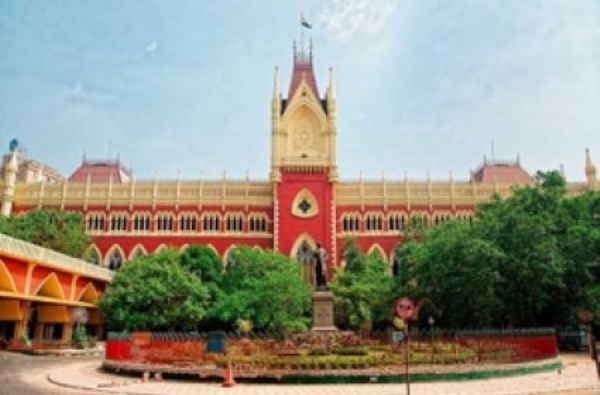
Kolkata, 10 June (H.S.): The Calcutta High Court has directed the West Bengal government to clarify its position on the National Investigation Agency’s (NIA) probe into the violence and rioting that took place in Beldanga, Murshidabad district, in January 2026. The court sought to know whether the new state government intends to continue opposing the NIA investigation or allow the central agency to proceed with its inquiry.
The matter came up before a Division Bench comprising Chief Justice and Justice . The Bench directed the state government to place its clear stand before the court by next week.
The issue has gained significance following the change of government in West Bengal. After the NIA initiated its investigation into the Beldanga violence, the previous Trinamool Congress government led by former Chief Minister had challenged the agency’s intervention before the Supreme Court.
With the BJP now in power in the state under Chief Minister , questions have emerged over whether the new administration will continue the legal challenge or permit the NIA probe to move forward without opposition.
During the hearing, counsel representing the state government informed the court that the government was not opposed in principle to the continuation of the NIA investigation. However, it sought additional time to determine whether provisions of the Unlawful Activities (Prevention) Act (UAPA), 1967, were applicable to the case.
Following the submission, the Division Bench directed the state government to present its final and definitive position on the matter next week.
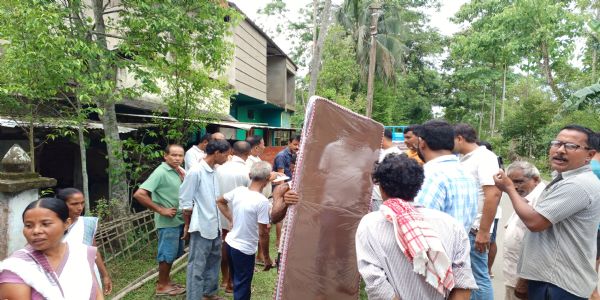
The violence in Beldanga erupted in January 2026 following the death of a migrant worker in neighbouring Jharkhand. After the worker’s body was brought back to Beldanga, allegations surfaced that he had been lynched because of his religious and linguistic identity. The claims triggered protests, with demonstrators blocking railway tracks and major roads.
The situation escalated when police attempted to clear the blockades. Protesters allegedly attacked security personnel, while several journalists covering the unrest were also assaulted, leaving some of them seriously injured.
Subsequently, Jharkhand Police cited the post-mortem report and stated that the migrant worker’s death was a case of suicide rather than murder. In view of the seriousness of the incidents that followed, the NIA later took over the investigation.
With the High Court now seeking a formal response from the state government, attention is focused on the administration’s next move, which is expected to determine the future course of the NIA probe into the Beldanga violence case.
Hindusthan Samachar / Satya Prakash Singh