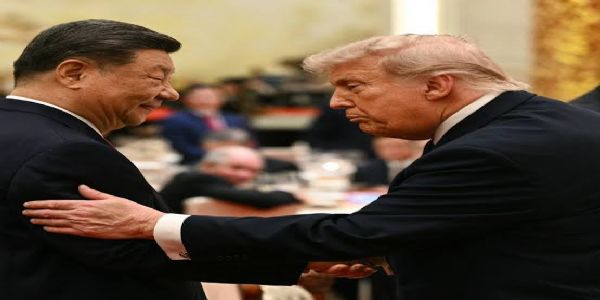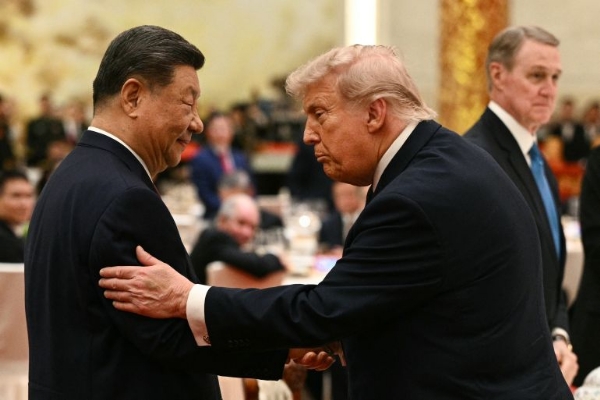
Beijing, 15 May (H.S.): US President Donald Trump and Chinese President Xi Jinping have opened a closely watched summit in Beijing that could shape the direction of the world’s two largest economies at a moment of intense geopolitical strain. The talks come as the Iran war, trade tensions, and disputes over tariffs, sanctions, and Taiwan continue to test the fragile balance between Washington and Beijing.
Trump has framed the meeting as a major diplomatic moment, saying he expects discussions with Xi to go “very, very well,” while also signaling that China’s leverage over Iran may be part of the conversation. Reports from multiple international outlets indicate that Washington wants Beijing to play a more active role in pushing Tehran toward de-escalation and in keeping the Strait of Hormuz open to commercial traffic.
Xi, for his part, has urged both nations to act as partners rather than rivals, presenting the summit as an opportunity to stabilize ties and build a more constructive framework for future engagement. Chinese officials have suggested that the agenda includes strategic issues of long-term significance, alongside practical questions such as trade access, sanctions relief, and economic cooperation.
Diplomatic Stakes
The summit is taking place against a highly charged international backdrop. The war in Iran has raised energy-security fears, intensified pressure on global shipping routes, and increased expectations that China could use its influence as a major buyer of Iranian oil. Analysts quoted in international coverage say Trump is likely seeking Chinese help to reduce the conflict’s economic fallout, while Xi may be looking for tariff relief and a softer US line on Chinese interests.
The meeting also reflects a broader effort to steady a relationship that has been repeatedly strained by tariffs, export controls, sanctions, and strategic competition. While both governments have signaled interest in cooperation, neither appears ready to yield on core concerns, especially on Taiwan and the future of regional security in Asia.
What To Watch
The most immediate question is whether the summit produces a concrete framework or remains a symbolic reset. Coverage so far suggests that both leaders are aiming for a tone of managed competition rather than outright confrontation, with possible movement on trade channels, market access, and coordination over the Strait of Hormuz.
Even without a sweeping deal, the optics of Trump and Xi meeting face to face carry weight for investors, diplomats, and governments watching the next phase of US-China relations. If the two sides can at least agree on a path to continued dialogue, the summit may be remembered less for breakthroughs than for preventing a deeper rupture.
---------------
Hindusthan Samachar / Jun Sarkar