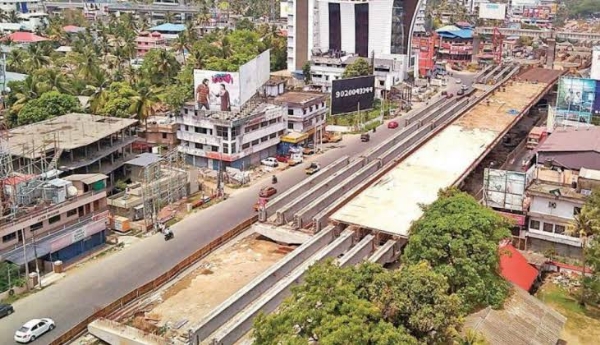
Thiruvananthapuram, 20 July (H.S.): Kerala is witnessing one of its most ambitious phases of infrastructure development, with the state government investing heavily in roads, ports, rail connectivity, urban transport and water infrastructure to support long-term economic growth. A series of ongoing and recently completed projects are expected to improve connectivity, attract investments and strengthen Kerala's position as a logistics and tourism hub.
The flagship Vizhinjam International Seaport near Thiruvananthapuram remains the centrepiece of Kerala's infrastructure strategy. The deep-water port, capable of handling some of the world's largest container vessels, has already begun commercial operations and is expected to transform India's maritime trade by reducing dependence on foreign transshipment ports. The project is also expected to generate thousands of direct and indirect jobs while attracting logistics parks, warehousing facilities and allied industries around the port.
Supporting the port's growth is a major thrust on road connectivity. The National Highways Authority of India is widening several key stretches of National Highway 66, one of the state's most important transport corridors running from Kasaragod to Thiruvananthapuram. Once completed, the highway upgrade is expected to significantly reduce travel time, improve freight movement and enhance road safety. Despite land acquisition challenges and difficult terrain, work is progressing across multiple reaches.
Rail infrastructure is also receiving renewed attention. The redevelopment of major railway stations, including Thiruvananthapuram Central, Ernakulam Junction and Kozhikode, is aimed at providing airport-like passenger amenities with modern waiting halls, improved accessibility, digital services and commercial facilities. In addition, discussions on semi-high-speed rail connectivity and network modernisation continue as the state seeks faster and more efficient public transport options.
Urban mobility projects are gathering pace as Kerala's cities continue to expand. Kochi Metro has emerged as one of the state's most successful public transport systems, and plans for future extensions are expected to improve connectivity to developing residential and commercial areas. Integrated transport initiatives linking metro services with water transport, buses and feeder networks are also being strengthened to encourage greater use of public transport.
The inland waterways sector is another area witnessing renewed focus. The Water Metro project in Kochi, India's first integrated water-based metro system, is gradually expanding its services and offering an environmentally friendly transport alternative. The project has attracted national and international attention for combining modern ferry services with urban mobility planning while reducing congestion on city roads.
Airport infrastructure is also being upgraded to accommodate growing passenger traffic. Expansion works at Thiruvananthapuram, Kochi and Kannur airports aim to improve terminal capacity, operational efficiency and cargo handling. Improved airport infrastructure is expected to support Kerala's tourism industry, facilitate exports and strengthen connectivity with Gulf countries.
Water security and urban development have become important components of Kerala's infrastructure agenda. Several drinking water projects, sewage treatment facilities and urban development schemes are being implemented alongside investments in healthcare, education, digital governance and renewable energy infrastructure.
Despite challenges such as land acquisition, environmental concerns and project delays, Kerala's infrastructure pipeline reflects a long-term vision focused on sustainable growth, improved connectivity and enhanced quality of life. As major transport, logistics and urban development projects move towards completion, the state is positioning itself for stronger economic growth in the years ahead.
---------------
Hindusthan Samachar / Arun Lakshman
21 Jul 2026
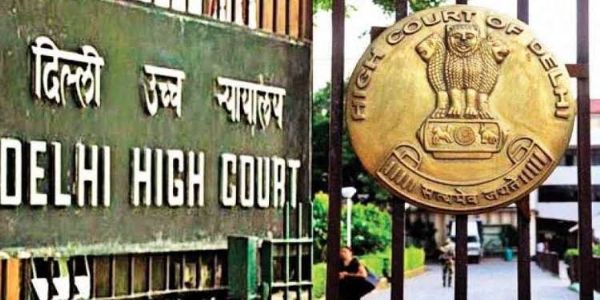
Alleged Police Lathi-Charge During Parliament March Reaches Delhi High Court, Hearing Scheduled for July 22

21 Jul 2026