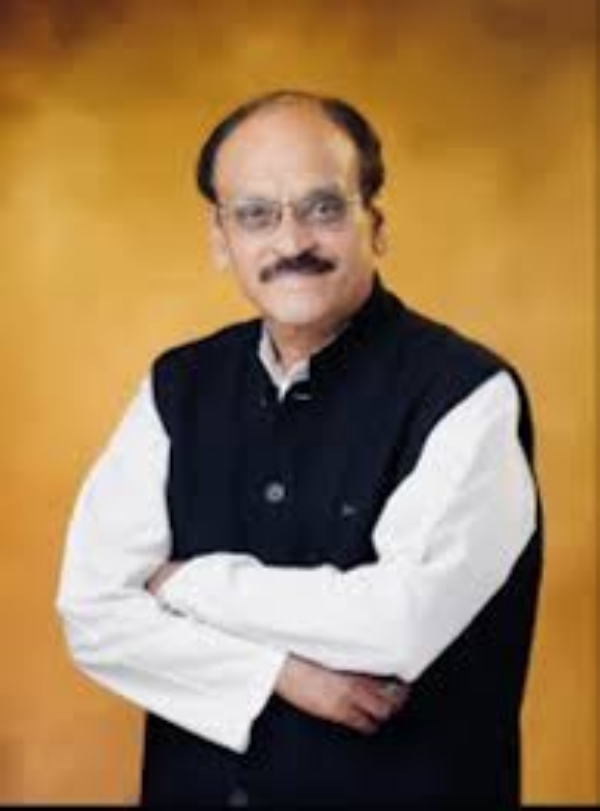
Lucknow, 01 July (HS): Senior Congress leader, ex-AICC
representative and member Grand Old Party’s political affairs committee,
Shekhar Bahuguna repeated his demand for the resignation of Union education
minister Dharmendra Pradhan over the NEET-UG 2026 paper leak controversy. He accused
him of branding students as terrorists rather than accepting
responsibility for the educational system's recurrent failures. As the
political debate heated up, the Congress launched a 40-day countrywide outreach
program called 'Chhatron Ki Goonj' to engage students and youngsters in
discussions about education, jobs, and opportunity. The party also conducted
simultaneous news conferences in 28 cities, to call for Pradhan's resignation.
The campaign started on June 25 with brochure distribution, street meetings,
and student engagement. It will be carried out in phases, beginning with campus
contacts and debates with students and youth and culminating in demonstrations
at district collectorates on August 1 and a 'Delhi Chalo' march on August 9.
He said that recurrent examination paper leaks had seriously
weakened the integrity of the country's education system. “The problem of exam
integrity must be taken seriously. Students' prospects should not be
jeopardized, and there is a need for more responsibility in such situations,”
he opined. He stated that the campaign will seek direct feedback from students around
the country. “We will interact directly with students and teenagers to learn
their issues and ideas about the education system. Their feedback will be
collated and submitted to high management,” he claimed. He also mentioned that
the party has set up a missed-call number to solicit proposals for education
sector changes. He slammed Pradhan for allegedly describing protesting students
as terrorists, adding the minister should apologize to crores of young people
and quit for his failings.
He stated that the BJP's politics was to paint anyone who
questioned the administration as a traitor. Consider this: the man whose
incompetence resulted in so many document leaks, under whose watch 20 students
died, and who threw crores of young people's futures into darkness is now
characterizing the disgruntled students and anyone speaking out for them as
'terrorists.
“The NEET, or National Eligibility-cum-Entrance Test, taken
by 2 million applicants for admission into undergraduate medical and associated
disciplines, is more than simply a test. It is a home project. Parents invest
into resources, take out loans, postpone big purchases, and reorganize family
life to accommodate their child's preparedness. Students spend years in
coaching centers, sometimes away from home, pursuing scores that might shape
their future.
This is why every examination-related scandal seems personal. It's more than
just an administrative failure. It represents a betrayal of trust. For millions
of parents, siblings, and extended family members whose aspirations are linked
to the outcome, any worries about the integrity of the process have
far-reaching consequences. India is confronting a problem not only in one
examination, but also in the legitimacy of the whole examination system,” he
remarked.
“From individual failures to a systemic problem. Over the
last decade, India has been plagued with examination scandals and
administrative blunders. From the Vyapam recruitment fraud in Madhya Pradesh to
paper leaks affecting recruitment exams, university entrance tests, public
service commission examinations, and professional admissions, scandal has
become an undesirable but common aspect of the country's testing environment. What
was formerly considered an isolated failure is now recognized as a systemic
issue. The immediate repercussions are clear: admissions are delayed, careers
are halted, and students are placed in limbo. The long-term repercussions are
more difficult to assess. Many students consider these exams to be more than
just academic exercises. They are viewed as the most certain path to social
mobility and economic security,” he said prior to signing off.
Hindusthan Samachar / Abhishek Awasthi
01 Jul 2026
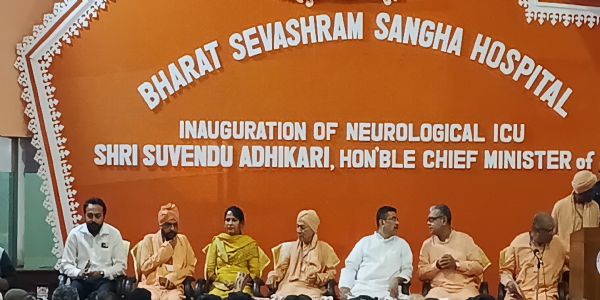
Chief Minister Inaugurates State-of-the-Art Neuro ICU at Bharat Sevashram Sangha Hospital
01 Jul 2026