New Delhi, 22 July (HS): Revered for its sacred rivers, ancient temples and snow-capped peaks, Uttarakhand is quietly emerging as one of India's most important laboratories for clean energy innovation. Situated in the ecologically sensitive Himalayan region—part of the Hindu Kush Himalaya, often described as the world's Third Pole—the state is transforming its traditional hydropower base into a diversified clean energy ecosystem built around solar power, battery storage, green hydrogen, decentralized hydropower and geothermal exploration.
The transformation is unfolding at a time when mountain regions across the world are confronting some of the most visible consequences of climate change. Glacial retreat, erratic rainfall, flash floods and rising energy demand are forcing governments to rethink conventional development models. Uttarakhand's evolving strategy reflects India's broader ambition to strengthen energy security while demonstrating how economic growth and ecological sustainability can advance together in fragile mountain ecosystems.
Hydropower has traditionally been the backbone of Uttarakhand's electricity generation. Yet changing climate conditions and growing environmental concerns surrounding large infrastructure projects have encouraged policymakers to diversify the state's renewable energy portfolio. Instead of relying solely on large hydroelectric dams, Uttarakhand is building an integrated clean energy ecosystem that combines multiple technologies to improve resilience, reliability and long-term sustainability.
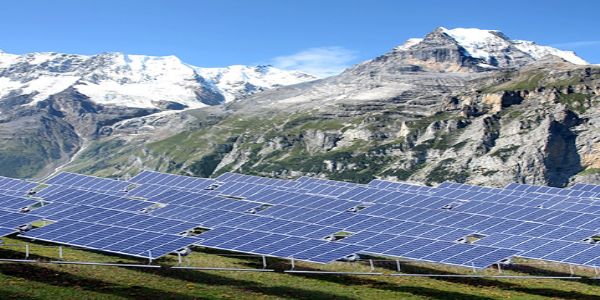
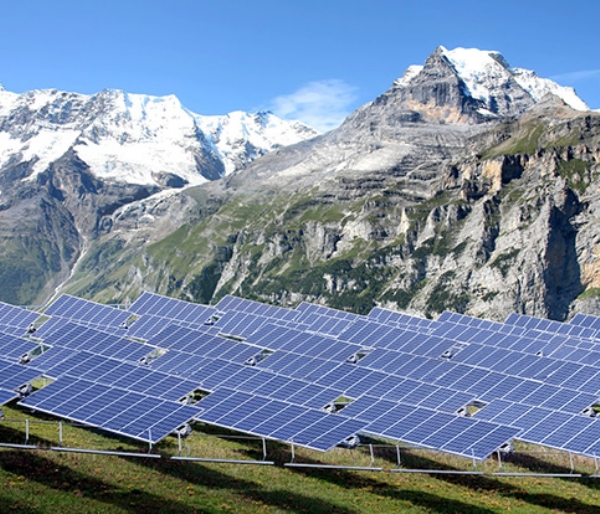
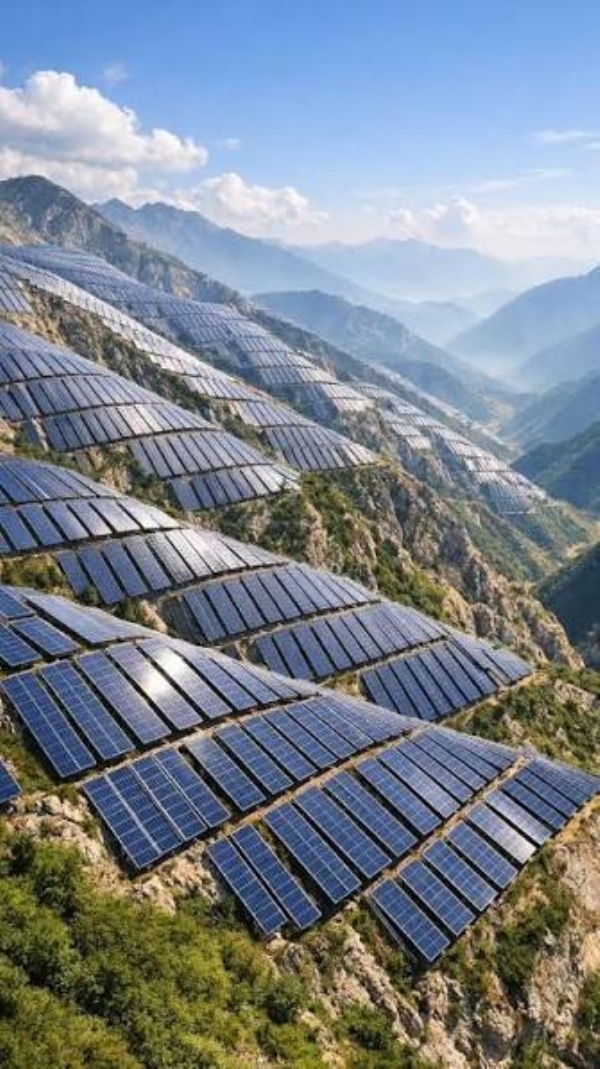
One of the state's biggest milestones came in early 2026 when Uttarakhand crossed one gigawatt of installed solar capacity, driven by utility-scale projects and rooftop installations under the PM Surya Ghar Muft Bijli Yojana. Achieving the milestone in mountainous terrain demonstrates that renewable energy deployment is no longer limited to India's plains and deserts but can also expand rapidly in high-altitude regions.
Generating renewable electricity, however, is only one part of the transition. Ensuring reliable electricity after sunset and during periods of fluctuating renewable generation has become equally important. To strengthen grid stability, Uttarakhand is developing battery energy storage systems exceeding 500 MWh along with a dedicated 50 MWh battery hub near Dehradun. These facilities are expected to store surplus solar power generated during the day and supply electricity during peak evening demand, supporting India's expanding renewable energy network while improving grid resilience.
The state is also positioning itself within India's emerging green hydrogen economy. During the Uttarakhand Industry-Academia Conclave on Hydrogen (UIACH-2026) hosted by IIT Roorkee, researchers, industry leaders and policymakers explored technologies aimed at lowering hydrogen production costs and accelerating industrial decarbonisation. Plans for a 10 MW electrolyser facility at Kashipur underline Uttarakhand's intention to contribute to India's National Green Hydrogen Mission while supporting cleaner industrial value chains.
Recognising the ecological sensitivity of the Himalayas, Uttarakhand is simultaneously promoting decentralized renewable energy models. Rather than depending exclusively on large dams, the state is encouraging community-owned micro-hydropower projects such as the Bal Ganga initiative, enabling local communities to participate directly in electricity generation while sharing project revenues. The approach combines clean energy production with rural development, creating sustainable livelihoods while reducing the environmental footprint associated with conventional infrastructure.
The search for new energy sources is extending beneath the Himalayan landscape itself. Geological studies around Yamunotri and Tapovan are assessing the feasibility of geothermal energy capable of supplying uninterrupted baseload electricity independent of seasonal river flows or weather conditions. If commercially viable, geothermal power could complement solar and hydropower by providing a stable source of clean electricity throughout the year.
The coming decade could fundamentally reshape Uttarakhand's role in India's energy landscape. Plans to expand solar capacity alongside more than one gigawatt-hour of battery storage by 2030 are expected to strengthen grid resilience and reduce seasonal fluctuations in electricity supply. Green hydrogen projects could support low-carbon industrial development across northern India, while community-owned renewable energy systems may generate new employment opportunities and help slow migration from remote Himalayan villages.
The integration of underground power infrastructure, decentralized generation and climate-resilient electricity networks could also reduce the vulnerability of energy systems to landslides, floods and extreme weather events that are becoming increasingly frequent across the Himalayas. Together, these initiatives are expected to strengthen energy security while making the state's infrastructure more resilient to the impacts of climate change.
Beyond India's borders, Uttarakhand's experience could offer valuable lessons for other mountainous regions seeking to balance environmental conservation with economic development. Countries across the Hindu Kush Himalaya, the Andes and parts of Central Asia face similar challenges of fragile ecosystems, dispersed populations and growing energy demand. The state's evolving approach suggests that the clean energy transition in mountain regions need not depend solely on large dams but can instead be built around diversified technologies, local participation and resilient infrastructure.
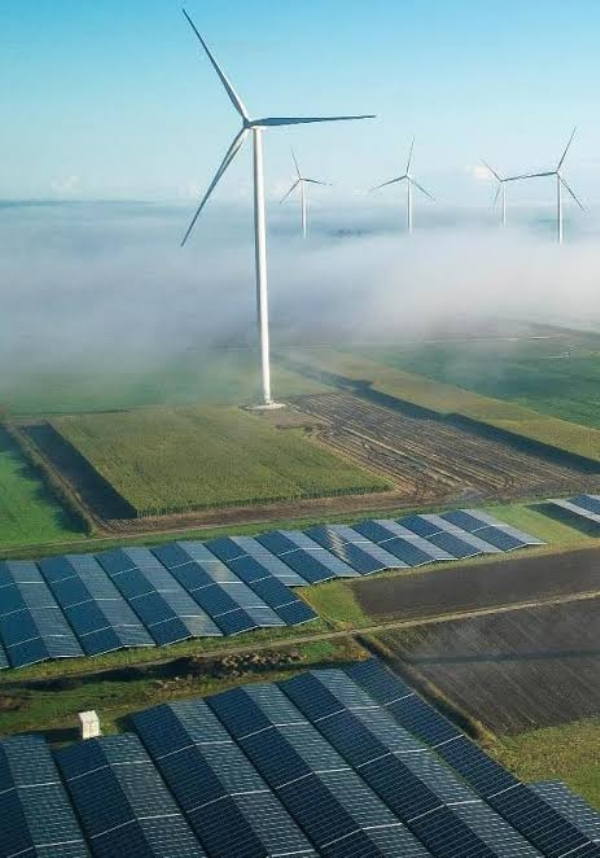
The state's experience also reflects a broader shift in global energy thinking. Rather than depending on a single renewable technology, future energy systems are increasingly expected to combine solar power, hydropower, battery storage, green hydrogen and emerging technologies such as geothermal energy into integrated networks capable of delivering reliable low-carbon electricity.
If India's software revolution established the country as a global digital power and its manufacturing expansion is reshaping industrial competitiveness, Uttarakhand is demonstrating another dimension of national transformation—how climate resilience, technological innovation and clean energy can evolve together. Beyond its identity as a destination for pilgrims and tourists, the Himalayan state is steadily emerging as a blueprint for how mountain economies can pursue economic growth, strengthen energy security and respond to climate change simultaneously. If successful, its experience may offer lessons not only for India but for mountain regions across the world navigating the transition to a low-carbon future.
---------------
Hindusthan Samachar / Jun Sarkar


22 Jul 2026