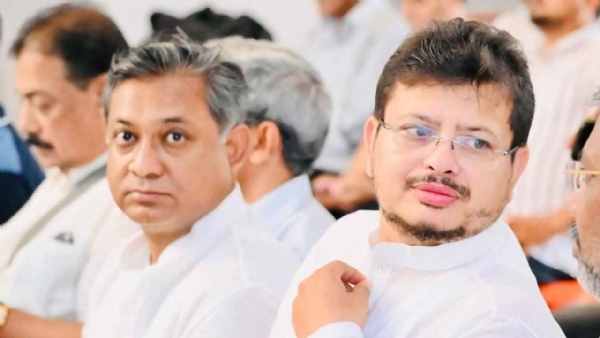
Kolkata, 04 June (H.S.) : A major political upheaval unfolded in the West Bengal Assembly as expelled Trinamool Congress (TMC) MLA Ritabrata Banerjee was recognised as the new Leader of the Opposition following an unprecedented split within the party’s legislative wing.
The development came after a group of rebel TMC legislators submitted a claim backed by 58 MLAs, later reported to have grown to 60, asserting a majority within the party’s Assembly ranks. The group formally approached the Speaker with documents proposing a new leadership structure in the House, including positions of deputy leaders and chief whip.
According to Assembly sources, the Speaker accepted the submission after examining the claims and supporting signatures, leading to the formal recognition of Ritabrata Banerjee as Leader of the Opposition. Separate offices were subsequently allocated within the Assembly for the newly formed opposition bloc.
Banerjee, who was recently expelled from the TMC along with fellow MLA Sandipan Saha following allegations related to disputed signatures in legislative documents, later addressed the media from the Assembly premises. He claimed that a significant majority of TMC MLAs had aligned with the rebel faction and described the development as the formation of a “new political alignment” within the legislature.
He further stated that the group would function as a responsible opposition, supporting what they consider constructive government initiatives while opposing policies they disagree with. Banerjee also indicated that internal consultations would continue regarding strategy for upcoming Assembly proceedings.
The crisis within the TMC reportedly began after allegations of forged signatures surfaced in documents submitted to the Speaker’s office concerning opposition leadership posts. The issue prompted a complaint, followed by a CID investigation and questioning of multiple MLAs.
Following the controversy, the party expelled Ritabrata Banerjee and Sandipan Saha. However, within days, the expelled legislators emerged at the centre of a parallel bloc claiming majority support within the Assembly.
The internal split has triggered wider political repercussions, with competing factions submitting rival claims for recognition of opposition leadership roles. At one point, rival letters submitted to the Speaker’s office were not formally accepted due to procedural issues, further deepening the institutional confusion.
The crisis has also led to broader organisational instability within the TMC, with reports of multiple meetings, shifting loyalties among legislators, and competing assertions of legitimacy from both sides.
Amid the turmoil, senior TMC leaders from both factions were seen participating in government administrative meetings in Nabanna, underscoring the fluid political alignments within the ruling party’s legislative structure.
The developments mark one of the most significant internal crises in the TMC in recent years, raising questions over party cohesion and the balance of power within the West Bengal Assembly.
Hindusthan Samachar / Satya Prakash Singh

04 Jun 2026