Thrissur, 15 June (H.S) A sharp decline in the number of elephants housed at Guruvayur’s famed Punnathur Kotta elephant sanctuary has raised concerns among wildlife experts, conservationists, and elephant enthusiasts, triggering a debate on the need to modernise and scientifically restructure elephant management practices at one of India’s most iconic captive elephant facilities.
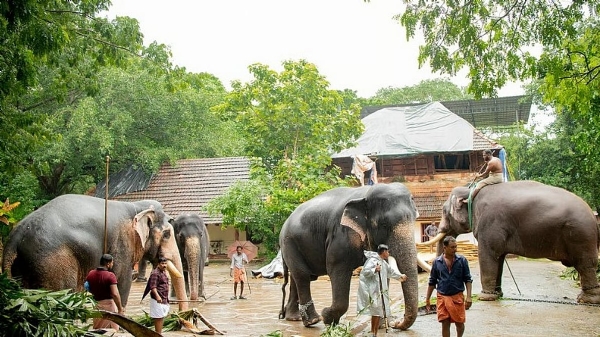
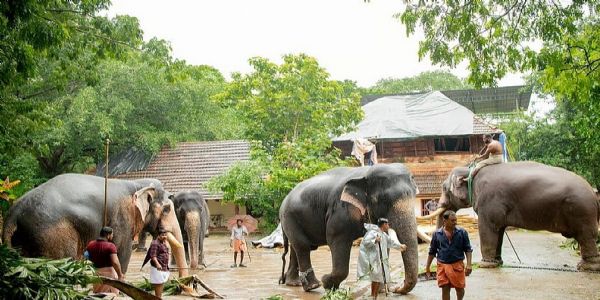
Punnathur Kotta, spread across 18.5 acres and regarded as one of the largest elephant sanctuaries in the country, was once home to as many as 77 elephants. Today, the population has dwindled to just 34, reflecting a steady decline over the past decade and several elephant deaths in recent years.
Experts point out that traditional captive management methods, including prolonged chaining and restricted movement, have contributed to a range of health issues among the animals. Studies have shown that limited mobility can lead to water retention, foot ailments, obesity, and severe psychological stress. The situation is compounded by the sanctuary’s damp and muddy conditions, where elephants often remain standing in one place for extended periods, increasing the risk of cracked feet and other complications.
The health condition of Nandan, one of Asia’s heaviest captive elephants, has particularly drawn attention to the broader welfare challenges faced by the herd. Former officials and mahouts associated with the sanctuary have stressed that elephant care must go beyond routine treatment and include systematic disease diagnosis, long-term monitoring, and scientifically designed veterinary protocols.
In response to growing concerns, Guruvayur Devaswom Chairman A.V. Gopinath announced that renowned wildlife veterinarian Dr. Arun Zachariah will soon visit Punnathur Kotta to conduct a comprehensive health assessment of all elephants. He said the Devaswom would implement all necessary measures to safeguard the temple’s elephant wealth, with support from various agencies.
Meanwhile, a long-awaited plan to establish a larger and more natural habitat for the elephants is finally moving forward. Authorities have identified around 100 acres of land for the proposed new elephant sanctuary, with provisions to expand it to 130 acres in the future.
The new facility aims to provide elephants with greater freedom of movement, a more natural environment, and improved living conditions. Under the proposed model, only the elephants required for daily temple rituals and offerings will remain at Punnathur Kotta, while the others will be shifted to the new sanctuary and deployed for temple duties on a rotational basis.
Wildlife experts emphasise that elephants donated to temples are not merely institutional assets but an integral part of Kerala’s cultural heritage. They argue that ensuring their long-term welfare will require a balanced approach combining scientific care, transparent management, and modern veterinary practices rather than relying solely on traditional methods.
Hindusthan Samachar / Arun Lakshman

15 Jun 2026
Guruvayur devaswom eyes major reforms to protect temple elephants
Guruvayur devaswom eyes major reforms to protect temple elephants..