Washington, 30 May (H.S.):
US President Donald Trump convened a high-level Situation Room meeting with senior national security and economic advisers as the White House moved closer to a potential decision on a proposed extension of the fragile ceasefire agreement with Iran. The discussions come amid intensifying diplomatic efforts to stabilise the Middle East following months of conflict that has disrupted global energy markets and heightened geopolitical tensions.
According to senior administration officials, the proposed framework under review includes a 60-day extension of the current truce, conditional reopening of the Strait of Hormuz for commercial shipping, and the initiation of structured negotiations on Iran’s nuclear programme. The agreement, however, remains contingent on presidential approval, with Trump expected to make a “final determination” following internal consultations.
White House sources indicated that the President’s position remains firmly aligned with long-standing demands that Iran must not acquire nuclear weapons capability. The administration has also pushed for stringent verification measures, including oversight of enriched uranium stockpiles and guarantees on maritime security in the Gulf region. Officials stressed that any sanctions relief or easing of restrictions would be gradual and tied strictly to compliance benchmarks.
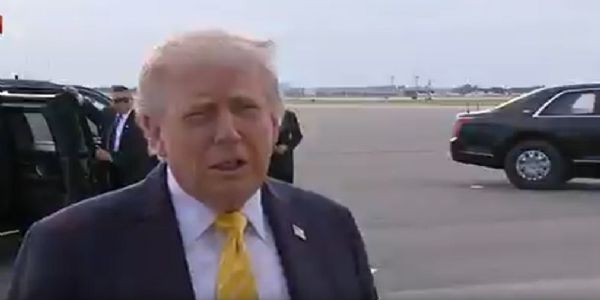
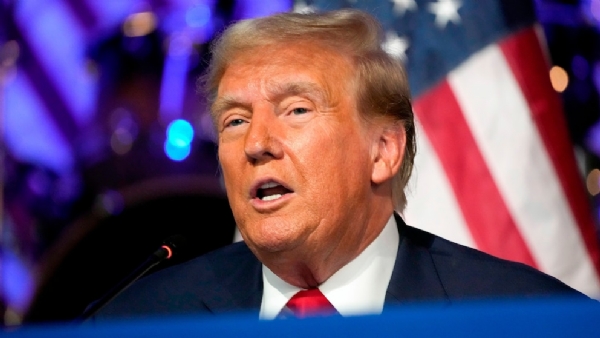
Trump, speaking ahead of the closed-door meeting, reiterated that any agreement must meet what he described as “clear American red lines.” He underscored that freedom of navigation through the Strait of Hormuz remains non-negotiable, given its critical role in global oil transportation. The administration has also signalled that naval restrictions imposed during the conflict could be lifted if a durable framework is finalised.
The diplomatic push follows weeks of indirect negotiations between Washington and Tehran, with reports suggesting both sides have made incremental progress on procedural language while remaining divided on core issues such as uranium enrichment limits and long-term verification mechanisms. Iranian officials, meanwhile, have maintained that any final deal must respect their sovereign rights and reject what they call excessive external pressure.
Markets reacted cautiously to the developments, with energy prices fluctuating on speculation over whether a breakthrough could ease tensions in the Strait of Hormuz, one of the world’s most strategically sensitive shipping corridors. Analysts say even a temporary extension of the ceasefire could significantly reduce short-term volatility in oil and currency markets.
As the Situation Room meeting concluded, the White House did not immediately announce a final decision, indicating that consultations were still ongoing. The outcome is expected to shape not only US-Iran relations but also broader stability across West Asia in the coming weeks.
---------------
Hindusthan Samachar / Jun Sarkar
30 May 2026
Trump Weighs Iran Ceasefire Deal in White House Crisis Meeting as Hormuz Strategy Looms Over Final Call
30 May 2026