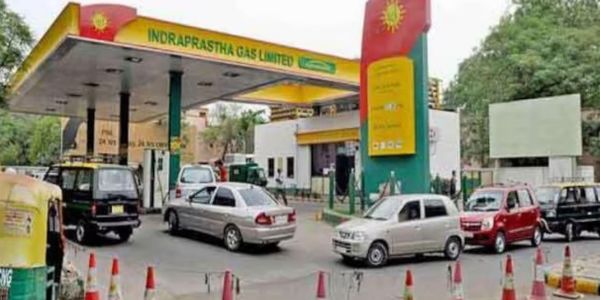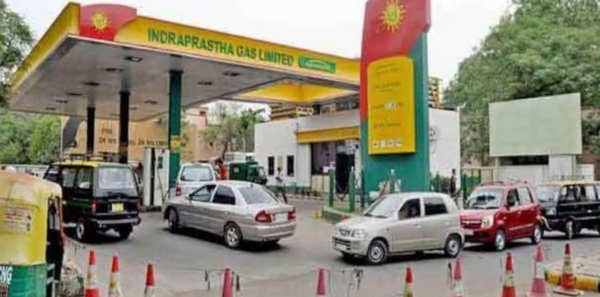
New Delhi, May 26 (H.S.): Consumers dependent on petroleum products continue to bear the impact of the ongoing tensions in West Asia. A day after petrol and diesel prices were increased on Monday, the price of CNG (Compressed Natural Gas) was also raised today. Effective from 6 a.m. this morning, CNG has become costlier by Rs 2 per kilogram. Following this increase, the price of CNG in the national capital Delhi has reached Rs 83.09 per kilogram. This marks the fourth increase in CNG prices since May 15.
According to information provided by Indraprastha Gas Limited (IGL), after the latest revision, the price of CNG in Noida, Greater Noida, and Ghaziabad adjoining Delhi has risen to Rs 91.70 per kilogram, while in Gurugram, CNG is being sold at Rs 88.12 per kilogram. Similarly, in Ajmer, the price of CNG has increased to Rs 92.44 per kilogram.
It is noteworthy that after an increase of nearly Re 1 per kilogram on April 5 last year, the first hike in CNG prices this year was implemented on May 15, when the price was raised by Rs 2 per kilogram. Three days later, on May 18, the price was increased again by Rs 1 per kilogram, followed by another increase of Rs 1 per kilogram on May 23. Today, the price has once again been raised by Rs 2 per kilogram. This means that within a period of less than two weeks, CNG prices have risen by a total of Rs 6 per kilogram.
It is believed that the latest increase in CNG prices may affect public transport costs across the Delhi-NCR region. Most commercial vehicles operating in Delhi-NCR, including buses, taxis, and auto-rickshaws, primarily use CNG. Under such circumstances, the burden of higher CNG prices may ultimately be passed on to passengers through increased fares by vehicle operators and transporters.
The ongoing tensions in West Asia are being considered the primary reason behind the increase in CNG prices. India remains heavily dependent on the international market to meet its petroleum requirements. Since tensions escalated in West Asia, the supply of gas and petroleum products transported through the Strait of Hormuz has been significantly disrupted. The conflict has also severely affected the global fuel market, resulting in a sharp rise in the prices of crude oil and other petroleum products in the international market.
Countries like India, which import substantial quantities of petroleum products through the Strait of Hormuz, have not only faced disruptions in supply but have also been burdened with additional economic pressure due to the rise in international prices. Owing to the continuing tensions in West Asia, petroleum product prices have increased across several countries worldwide. Like many other nations, India too has been compelled to raise the prices of petroleum products such as petrol, diesel, and natural gas in order to offset the losses arising from expensive imports.
---------------
Hindusthan Samachar / Jun Sarkar