Washington, 20 May (H.S.):
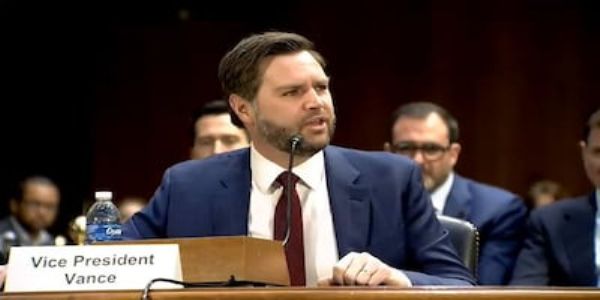
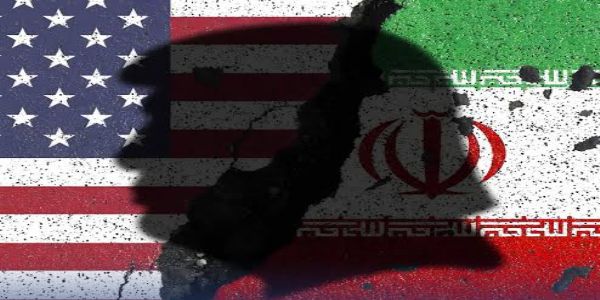
U.S. Vice President J. D. Vance has warned that allowing Iran to acquire nuclear weapons could ignite a dangerous global nuclear arms race, while asserting that the United States remains fully prepared to resume military operations if diplomatic efforts with Tehran fail.
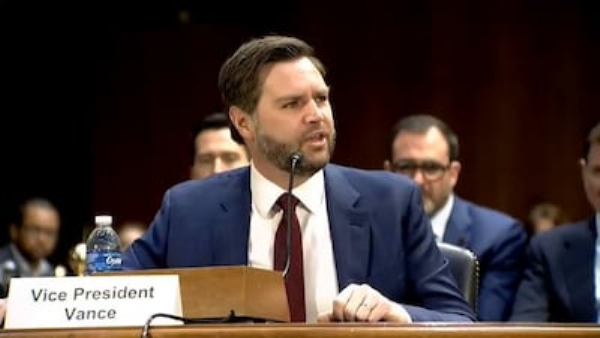
Speaking during a press briefing at the White House on Tuesday, Vance said the administration of President Donald Trump continues to pursue negotiations in good faith, but made clear that Washington’s position on Iran’s nuclear ambitions remains uncompromising.
“We think the Iranians want to make a deal,” Vance said, adding that the U.S. administration remains open to diplomacy. However, he emphasized that any agreement must guarantee that Iran never obtains a nuclear weapon.
The Vice President revealed that he had met President Trump shortly before the briefing and stated that the United States was “locked and loaded” if circumstances required military action. He stressed that while Washington prefers a peaceful resolution, it remains prepared for an alternative course if negotiations collapse.
According to Vance, an Iranian nuclear weapon would have consequences far beyond the Middle East. He argued that Tehran becoming a nuclear power could encourage several Gulf nations and other countries worldwide to pursue their own nuclear programs, fundamentally destabilizing global security architecture.
“Iran would really be the first domino in what would set off a nuclear arms race all over the world,” Vance said. He warned that such a development could dramatically increase the number of nuclear-armed states, including regimes viewed by Washington as hostile or linked to extremist groups.
The remarks came amid heightened tensions between Washington and Tehran following renewed concerns over Iran’s nuclear activities and regional security dynamics. The White House has recently intensified diplomatic engagement with Gulf allies, including the United Arab Emirates and Qatar, which have reportedly encouraged continued negotiations rather than immediate military escalation.
President Trump had earlier delayed a decision on possible fresh military strikes against Iran after consultations with regional partners who indicated that Tehran appeared willing to continue diplomatic discussions.
Vance reiterated that the United States sees two possible paths forward: a negotiated settlement or renewed military pressure. “There’s an opportunity to reset the Washington-Tehran relationship,” he said, while cautioning that diplomacy would require cooperation from both sides.
The Vice President also framed the issue in broader humanitarian and generational terms, saying he did not want future generations to inherit a world with significantly more nuclear-armed nations.
“We want to keep the number of countries that have nuclear weapons small,” Vance stated, underscoring that preventing nuclear proliferation remains a central objective of U.S. foreign policy.
The latest comments are expected to further intensify international debate over Iran’s nuclear program, regional stability in the Gulf, and the possibility of renewed confrontation in the Middle East at a time of growing geopolitical uncertainty.
---------------
Hindusthan Samachar / Jun Sarkar
20 May 2026