New Delhi, 14 May (H.S.):
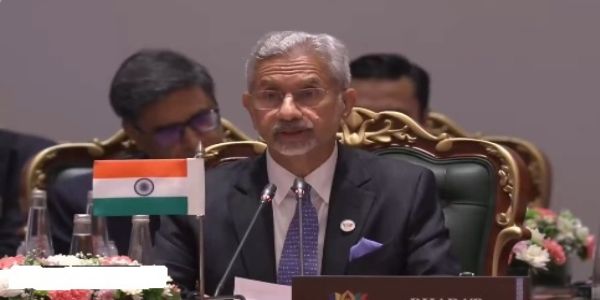
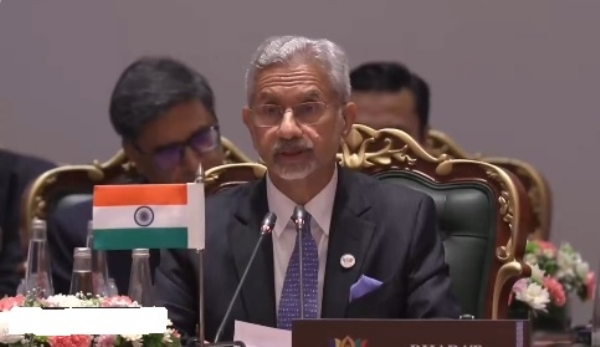
External Affairs Minister S. Jaishankar called on Thursday for BRICS countries to develop pragmatic coordination to address global conflicts, economic instability, and trade disruptions. He stated that emerging economies and developing nations face serious challenges in the current global situation, making unity among BRICS nations extremely important.
Addressing the inaugural session of the two-day meeting of BRICS foreign ministers on Thursday, Jaishankar said the world is passing through an unprecedented phase of geopolitical and economic uncertainty. Conflicts, climate change, and the Covid pandemic have deeply impacted the global economy.
Additionally, the process of power rebalancing and democratic recalibration in the global order continues, which not all countries are readily accepting.
He noted that these circumstances have affected energy, food, and fertilizer security. Supply chain disruptions, rising inflation, and limited prospects for economic growth have further exacerbated difficulties for developing countries.
The External Affairs Minister emphasized that BRICS nations should focus particularly on reliable supply chains and diversified markets to mitigate the impact of global crises. Mere discussion is not enough; BRICS countries must also take coordinated and effective steps.
Jaishankar stated that issues of peace and security remain at the center of the global order today. Referencing recent conflicts, he said these events have further underscored the importance of dialogue and diplomacy. India reiterates its commitment to the objectives and principles of the UN Charter, and respect for sovereignty and territorial integrity must form the foundation of international relations.
Expressing concern over the situation in West Asia, he highlighted the grave humanitarian consequences of the Gaza conflict. He stressed the need for credible efforts toward a permanent ceasefire, unimpeded access to humanitarian aid, and a peaceful resolution. He affirmed that India supports a two-state solution to the Palestinian issue.
Jaishankar said secure and unimpeded navigation through maritime routes like the Red Sea and Strait of Hormuz is essential for global economic stability.
Expressing concern over conditions in Lebanon, Syria, Sudan, Yemen, and Libya, he stated that continuous international cooperation and diplomatic efforts are necessary for resolving these crises.
On the issue of terrorism, he remarked that all countries share a common interest in strengthening cooperation against it. No form of terrorism can be justified, and cross-border terrorism violates the fundamental principles of international relations. Zero tolerance must be the global standard against terrorism.
The External Affairs Minister stated that climate change remains among the greatest global challenges today, and climate action must advance with climate justice, adequate financial support, and technical cooperation.
Expressing concern over the weakening state of the United Nations system, he said reforms in multilateral institutions can no longer be delayed. He reiterated the need for reforms in both permanent and non-permanent categories of the United Nations Security Council.
Jaishankar concluded, The clear message of our times is that cooperation is mandatory, dialogue is essential, and reforms can no longer be deferred.
---------------
Hindusthan Samachar / Jun Sarkar
14 May 2026