Nagpur, 12 May
(HS): Malnourishment deaths are often reported from tribal dominated areas of Melghat
in Amravati district only, as a few decades ago a local correspondent had
provided startling figures from the region attracting attention of entire
health machinery in the country. The issue, however, is not restricted to
Melghat. Similar is the situation in remote areas of Gadchiroli, Nandurbar,
Dhule in Maharashtra.
Many villages in
these districts are isolated during monsoon. The villagers survive on whatever
food they can get in their villages. The health machinery also cannot access
these villages to help them.
With the
increasing road network the intensity might have reduced, but the problem
persists.
The
malnourishment in remote villages are often reported by the media, even when
the problem in urban areas remain neglected. In urban areas obesity is also a
sort of malnourishment, which is above 40 per cent among children and youth
against around 13 per cent in rural and remote areas.
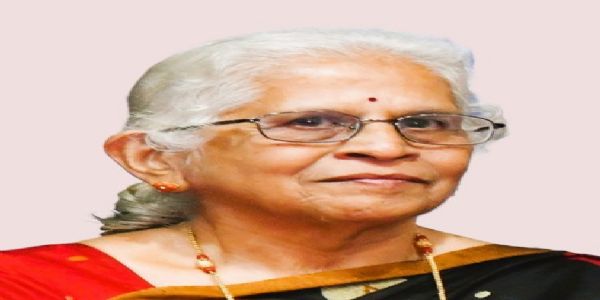
Dr Pratima
Shastri, a retired professor in Food Technology from Laxminarayan Institute of
Technology (now Laxminarayan Innovative Technology University), Nagpur and
social worker describes the two factors as undernourishment in rural area and overnourishment
in urban areas.
The problem in
both the areas can be called imbalance in nutritional food. In rural area
nutritional food is not available, in urban area it remains neglected although
available in abundance. Many government schemes are being implemented to handle
the issue, including awareness generation.
In urban areas
growing obesity is because of changing lifestyle. The easily available ‘ready
to eat’ food is available in the market and can be accessed within minutes.
These ultra-processed food are rich in calories, but lack micronutrients. This
cause imbalance and result in obesity in urban areas. This ready to eat food is
costly and often unhealthy.
Dr Shastri is
working the director of a social organisation for welfare of women and
handicapped children. Besides helping handicapped children and women in
distress, the organisation prepares ‘Ready Mix’ nutritious food items like Sattu,
Ukadpendi, Poha (popular in Maharashtra) etc. These items can be taken home and
can be easily made by using boiling water or a little oil to make tasty snack
items.
In the recent
past ‘Ready Mix’ food items are being marketed. But the basic attention to
nutrition through these easily available food items remain the last priority.
The bad effects
of this changing food habits and lifestyle can be seen with youths suffering
from various health issues. Growing stress due to stiff competition adds to the
ill-effects of malnourishment at a younger age.
Health issues
related to stomach disorders are very common. These finally results in issues
like obesity, hypertension, diabetes, mental disorders etc.
The need to take
the issue seriously by youth in urban areas is essential, similar to educating
people in remote villages.
---------------
Hindusthan Samachar / Ajay Vasant Mardikar