Washington, 16 April (H.S.):
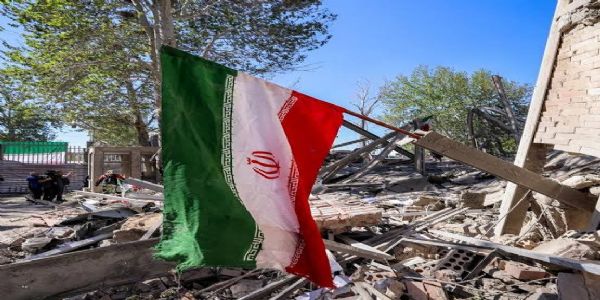
In a bold escalation of its financial warfare, the United States unveiled sweeping new sanctions targeting Iran's oil sector on Wednesday, aiming to choke Tehran's revenue streams as the Islamic Republic maintains its stranglehold on the Strait of Hormuz.
The measures, announced by the Treasury Department, strike at the heart of a shadowy petroleum shipping network led by Mohammad Hossein Shamkhani, imposing penalties on over two dozen individuals, companies, and vessels that facilitate Iran's illicit oil trade.
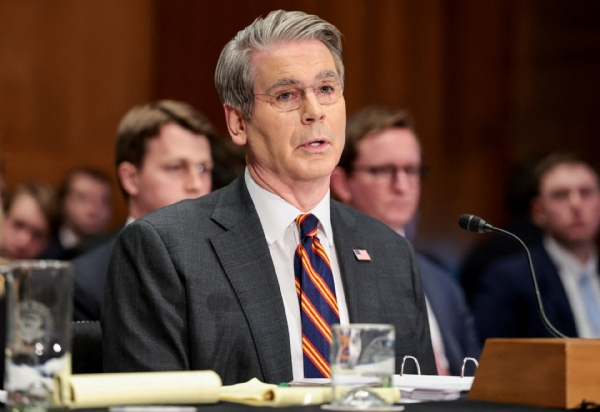
Treasury Secretary Scott Bessent framed the action as part of an Economic Fury campaign, zeroing in on regime insiders like the Shamkhani family, who stand accused of profiting amid the suffering of ordinary Iranians. These elites exploit their positions to sustain the regime's aggression, Bessent declared in a statement, referencing the network's operations across Iran and the United Arab Emirates. The sanctions dismantle a web of front companies masquerading as legitimate consulting and shipping firms, which have long evaded prior restrictions to keep Iran's oil flowing.
This move compounds mounting pressures on Iran, which shuttered the Strait of Hormuz – the world's most vital oil chokepoint – in retaliation for the US-Israeli military campaign that ignited the broader Middle East conflict. The closure has sent global energy prices soaring, prompting the US to impose a naval blockade on Iranian ports and refuse extensions on waivers for oil already in transit.
State Department officials underscored the strategy's intent: We are decisively curtailing Iran's capacity to fund its hostage-taking of the Strait.
The Shamkhani network's targeting carries personal sting. Mohammad Hossein, son of the late security chief Ali Shamkhani – an advisor to Supreme Leader Ali Khamenei, killed on February 28 alongside his father in the war's opening salvos – orchestrated a fleet that dodged sanctions through deceptive practices.
In a parallel strike, the Treasury also sanctioned Iranian financier Seyed Naiemaei Badroddin Moosavi and three linked firms for laundering oil proceeds into Venezuelan gold, bolstering Iran-backed Hezbollah militants.
As tensions simmer, these sanctions signal Washington's resolve to outlast Iran's gambit without direct confrontation. Yet, with reports of potential ceasefire extensions and backchannel peace talks swirling, the economic vise could either hasten negotiations or harden Tehran's defiance. Global markets watch anxiously, as the Hormuz impasse threatens to ripple into widespread energy shortages and inflation.
---------------
Hindusthan Samachar / Jun Sarkar
16 Apr 2026