Hooghly, 31 March (H.S.): The Jangipara Assembly constituency in West Bengal’s Hooghly district has emerged as a keenly watched and multi-cornered contest in the 2026 elections. Part of the Serampore Lok Sabha seat, the constituency was once a Left stronghold, but since 2011, the All India Trinamool Congress has maintained a firm grip here. Sitting MLA Snehasis Chakraborty has represented the seat for nearly 15 years, giving him a strong organisational and administrative presence in the region.
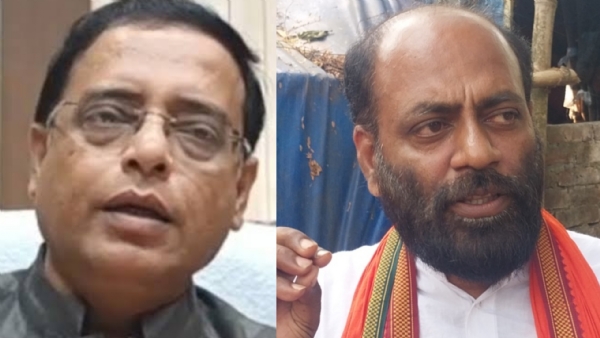
The biggest talking point this election, however, is BJP candidate Prasenjit Bag, who comes from a modest background and continues to live in a mud house. A Class XII pass and a former RSS volunteer, Bag is considered to have a solid grip over the Bharatiya Janata Party organisation in the area. Having contested from this seat earlier, he is familiar with local dynamics and voter concerns. The BJP is projecting his simple lifestyle as a symbol of grassroots connect, which appears to be resonating among rural voters.
In contrast, TMC’s Snehasis Chakraborty is a postgraduate and a former state transport minister. The ruling party is banking on his experience, administrative track record and implementation of welfare schemes. However, there is visible discontent at the local level, particularly over connectivity and transport services during his tenure.
The Congress has fielded advocate Subhasish Dutta, projecting a professional and educated face, while the CPI(M) has nominated Sudipto Sarkar, who is backed by the Indian Secular Front. This has added complexity to the contest, especially with the possibility of a split in minority votes.
Jangipara’s demographic composition plays a crucial role in shaping electoral outcomes. The constituency has a significant Muslim population, along with OBC and Scheduled Caste communities, making it a socially diverse and politically sensitive seat. The largely rural and semi-urban economy is driven by agriculture, small businesses and daily wage labour.
Furfura Sharif, which falls within this constituency, is another key factor. A prominent Sufi religious centre, it holds considerable influence over minority voters. The stance of religious leadership here is often seen as having a direct bearing on electoral trends, particularly when forces like the ISF are active.
Among local issues, connectivity has emerged as the most pressing concern. Residents allege that despite Chakraborty serving as transport minister, there has been little improvement in road and transport infrastructure. Several bus routes are said to have been discontinued, affecting daily commuting, employment and access to education in rural areas.
Healthcare is another major concern. Locals complain of inadequate facilities, shortage of doctors and lack of basic infrastructure at Jangipara hospital, forcing patients to travel to distant towns for treatment.
Unemployment also figures prominently, especially among the youth, many of whom are compelled to seek work outside the region due to limited local opportunities. Rural voters, meanwhile, are demanding better transport, healthcare and overall infrastructure.
Overall, the Jangipara contest has evolved into more than just a political battle—it is a face-off between two contrasting images: experience and established leadership versus simplicity and grassroots appeal. The outcome will depend on whether voters place their trust in long-standing governance or opt for a candidate who reflects their own lived realities.
---------------
Hindusthan Samachar / Priyanka Pandey
31 Mar 2026