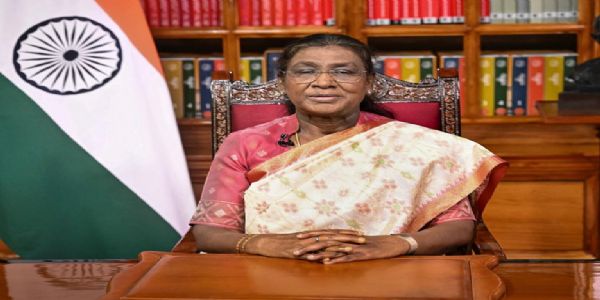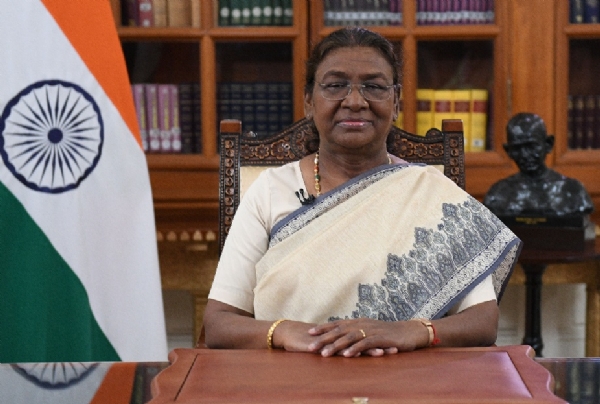
New Delhi, 18 March (H.S.): President Droupadi Murmu has extended her warm greetings to all citizens on the eve of Chaitra Sukladi, Ugadi, Gudi Padava, Cheti Chand, Navreh and Sajibu Cheiraoba, observing these festivals as a celebration of India’s pluralistic culture, seasonal renewal and shared hope for a better year ahead. The message, issued through the President’s Secretariat, underlines the symbolic importance of these diverse New Year traditions across the country.
President’s message of unity and renewal
In her message, the President said:“On the auspicious occasion of Chaitra Sukladi, Ugadi, Gudi Padava, Cheti Chand, Navreh and Sajibu Cheiraoba, I extend my greetings and good wishes to all fellow citizens in India and abroad.”She highlighted that the arrival of the New Year through these festivals reflects India’s rich cultural diversity and deep-rooted connection with nature. The observances, she added, inspire citizens to move forward in life with new hopes, new resolutions and a spirit of positivity, while also serving as vibrant expressions of India’s heritage and the traditions of sharing joy with others.
The President concluded her message by praying that these festivals foster unity, love and harmony among India’s various communities and bring happiness, prosperity and well‑being to all.
Snapshot of the occasions
Chaitra Sukladi (North and Western India): Marks the beginning of the Chaitra month in the Hindu lunar calendar and is widely regarded as the start of the New Year in many parts of North India, celebrated with prayers, family gatherings and ritual cleansing.
Ugadi (Andhra Pradesh, Telangana, parts of Karnataka): A Telugu‑language New Year marked by elaborate home decorations, toranas (mango‑leaf door hangings), and the preparation of ‘Ugadi Pachadi’, a six‑flavour dish symbolising life’s varied experiences.
Gudi Padava (Maharashtra): The Marathi New Year, where families hoist a colourfully decorated Gudi (a flag‑like banner) symbolising victory, prosperity and protection. Festivities typically include traditional food, rangoli and temple visits.
Cheti Chand (Sindh and Sindhi communities): Celebrates the New Year of the Sindhi calendar, devoted to Jhulelal, the patron saint of Sindhi Hindus. The day features devotional songs, processions and community meals, reaffirming Sindhi identity and resilience.
Navreh (Kashmiri Pandits): The Kashmiri New Year, marked by a special Thaal Puja plate decorated with rice, yogurt, flowers and a personal horoscope or almanac, and is dedicated to Goddess Sharika. Families wear new clothes and exchange greetings and sweets.
Sajibu Cheiraoba (Manipur): Also known as Meitei Cheiraoba, this is the Manipuri New Year festival celebrated with ancestor worship, community feasts and elaborate food offerings placed on rooftops and altars, praying for health, prosperity and a bountiful harvest.
Through her message, President Murmu implicitly weaves these distinct regional and linguistic New Years into a broader national narrative of unity and renewal, inviting citizens to view them not just as personal or community events, but as part of India’s collective cultural and spiritual calendar.
---------------
Hindusthan Samachar / Jun Sarkar
18 Mar 2026