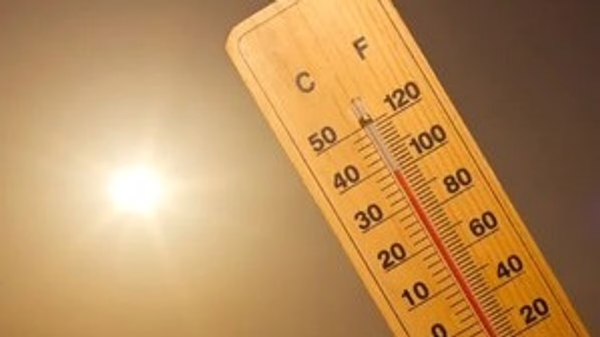
Thiruvananthapuram, 15 March (H.S.): Authorities in Kerala have issued an orange alert in several parts of the State following a sharp rise in ultraviolet (UV) radiation levels, prompting health officials to urge residents to take precautionary measures to avoid potential health risks.
According to officials, an orange alert has been declared in five locations — Kottarakkara in Kollam district, Konni in Pathanamthitta, Chengannur in Alappuzha, Changanassery in Kottayam, and Munnar in Idukki district — where ultraviolet radiation levels have reached concerning levels.
Meanwhile, a yellow alert has been issued for Kalamassery in Ernakulam district, Ollur in Thrissur, Thrithala in Palakkad, Ponnani in Malappuram, and Mananthavady in Wayanad.
Authorities explained that the ultraviolet index is categorized based on its intensity. A yellow alert is issued when the UV index ranges between 6 and 7, indicating moderate risk. An orange alert is declared when the index rises between 8 and 10, signaling a high risk of exposure. A red alert is issued when the UV index crosses 11, representing an extremely high health risk.
Health experts warn that prolonged exposure to ultraviolet radiation can cause sunburn, skin diseases, eye problems, and other health complications. People are therefore advised to avoid prolonged exposure to direct sunlight, particularly between 11 a.m. and 3 p.m., when UV radiation is at its peak.
Residents have been urged to remain hydrated and drink water frequently, even if they do not feel thirsty. Authorities also recommend avoiding beverages that can cause dehydration, such as alcohol, coffee, tea, and carbonated soft drinks during daytime hours.
People venturing outdoors are advised to wear loose-fitting, light-coloured cotton clothing and protective footwear. The use of umbrellas, hats, or caps is also recommended to reduce direct exposure to sunlight. Health officials further advise increasing the intake of fruits and vegetables and consuming oral rehydration solutions (ORS) and traditional drinks like buttermilk to maintain hydration.
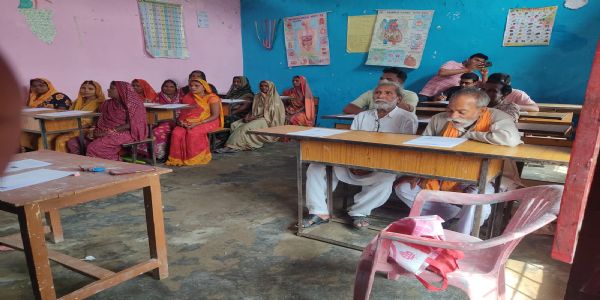
Special precautions have also been recommended for educational institutions. Schools and colleges are instructed to ensure the availability of clean drinking water and proper ventilation in classrooms. Examination halls should also provide adequate drinking water facilities.
Authorities have further advised schools to avoid holding outdoor assemblies and activities during peak heat hours. If such events are unavoidable, they should be rescheduled to cooler parts of the day. Schools organizing excursions have also been directed to ensure that children are not exposed to direct sunlight between 11 a.m. and 3 p.m.
Similarly, anganwadis have been instructed to implement arrangements to protect young children from excessive heat exposure.
---------------
Hindusthan Samachar / Arun Lakshman