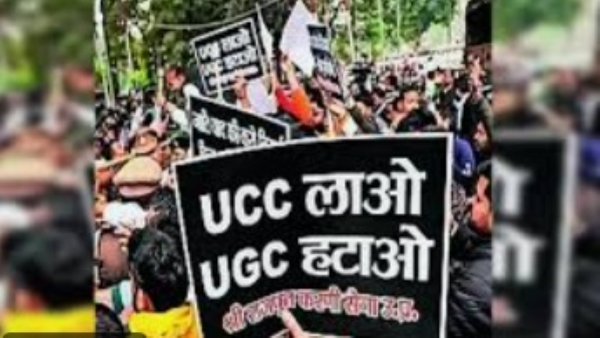
Chennai, 03 February (H.S.) : The latest episode of the South Central podcast by The News Minute (TNM) delved into the contentious debate surrounding the new University Grants Commission (UGC) equity regulations and the shifting political alliances in Kerala.
Hosts DHANYA RAJENDRAN and POOJA PRASANNA, joined by rights lawyer MRIDULA VANANGAMUDI and TNM Executive Editor SUDIPTO MONDAL, addressed the myth of misuse often cited by critics of the Scheduled Caste and Scheduled Tribe (SC/ST) protection laws. The panel argued that claiming a law is widely misused based on low conviction rates is a form of denialism that overlooks systemic discrimination within educational institutions and society at large.
The experts highlighted that the lack of an explicit prohibitory clause against caste discrimination in existing UGC guidelines necessitated the new regulations. MRIDULA VANANGAMUDI pointed out that the anxiety among general category groups—fear of being jailed over complaints—often lacks clarity, as many proposed sanctions involve administrative apologies rather than criminal prosecution.
SUDIPTO MONDAL contextualized the need for special protections by tracing the history of Dalit rights back to the efforts of DR. BR AMBEDKAR. He suggested that the liberation of the most oppressed communities is a prerequisite for the overall liberation of Indian society, countering the argument that such specific rights infringe upon the general population.
In the second segment, the podcast analyzed the complex breakdown of the Sree Narayana Dharma Paripalana (SNDP) and Nair Service Society (NSS) alliance in Kerala. Political analyst DAMODAR PRASAD observed that while these groups briefly united in opposition to Congress leader VD SATHEESHAN, the alliance fractured after SNDP leader VELLAPPALLY NATESAN received the Padma Bhushan. T
he NSS reportedly withdrew due to concerns over the Bharatiya Janata Party (BJP) potentially co-opting its base and Natesan's son's role in the National Democratic Alliance (NDA).
The episode concluded by questioning the continued relevance of traditional caste groups in Kerala’s modern entrepreneurial political landscape, where voters often favor candidates who distance themselves from communal rhetoric.
---------------
Hindusthan Samachar / Dr. R. B. Chaudhary
03 Feb 2026