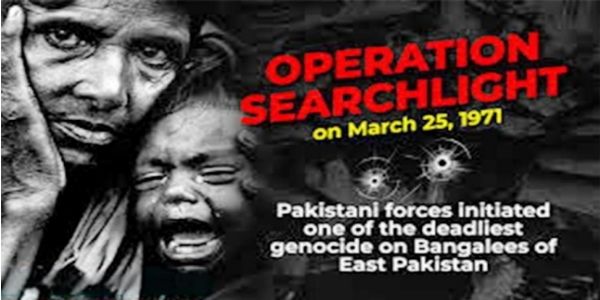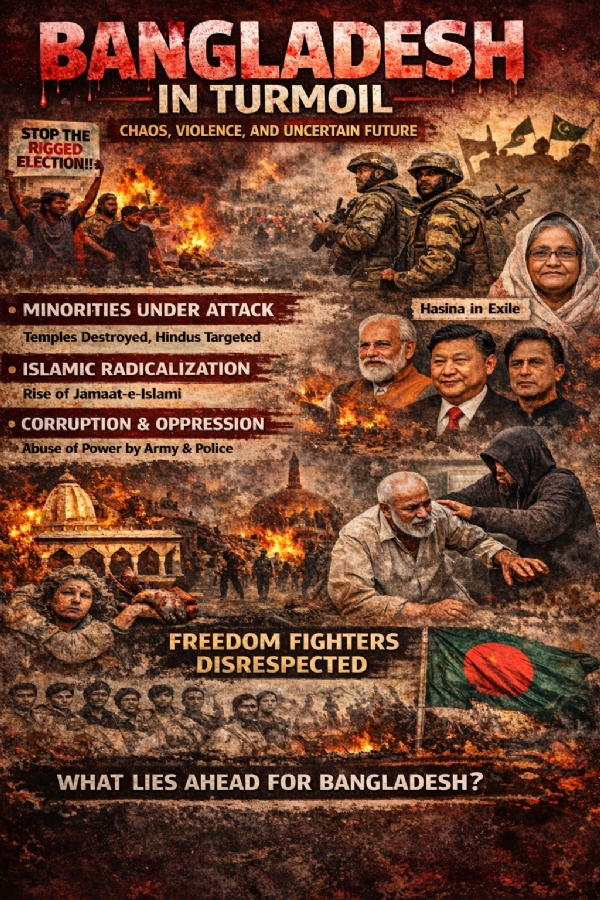
Since the dramatic political upheaval of August 5, 2024, Bangladesh has entered one of the most consequential and turbulent phases in its modern history. A mass, student-led uprising brought an abrupt end to the long tenure of former Prime Minister Sheikh Hasina, forcing her into exile in India and triggering a period of political flux that continues to reverberate across the nation’s institutions, society, and secular foundations.
The interim administration headed by Nobel Laureate Muhammad Yunus now faces the formidable challenge of steering the country toward the February 12, 2026 parliamentary elections. However, the path to the polls is fraught with apprehension. Concerns over potential electoral manipulation, deepening factionalism, and a widening political vacuum have intensified public skepticism. Critics contend that instead of rebuilding democratic trust, state mechanisms have at times been used selectively against political adversaries, further eroding confidence across the spectrum.
Among the most alarming consequences of the instability has been a surge in violence against religious minorities, particularly Hindus. Rights organizations, including the Bangladesh Hindu Buddhist Christian Unity Council, report thousands of documented incidents of hate crimes between August 2024 and mid-2025. These incidents range from killings and sexual assaults to arson and targeted attacks on homes and places of worship. Observers note that accountability has often been limited, reinforcing fears of impunity.
Communal tensions have manifested across multiple districts, from Dhaka to Rangpur. A particularly disturbing episode in Shariatpur in December 2025, where a Hindu businessman was reportedly beaten and set ablaze by a mob, underscored the gravity of the situation. In the weeks that followed, additional reports of targeted killings heightened anxieties about an entrenched pattern of communal violence.
The damage has extended beyond individual acts of brutality. Coordinated attacks on temples and puja mandaps during Durga Puja festivities in 2024 and earlier years have left lasting scars on the religious landscape. Analysts argue that what were once sporadic incidents now reflect a more systemic pattern of radicalization and organized mob aggression, signaling deeper societal fractures.
Simultaneously, Islamist political forces, including Jamaat-e-Islami, have reasserted their presence in national politics. Their renewed influence has sparked debate about the trajectory of Bangladesh’s secular identity, a principle rooted in the country’s 1971 Liberation War. Controversies surrounding blasphemy allegations, religious policing, and the constitutional amendment of 1988 that designated Islam as the state religion have resurfaced, amplifying ideological divides within society.
Political volatility has also shaped Bangladesh’s foreign policy environment. Relations with India have faced strain, particularly over New Delhi’s decision to shelter exiled leaders and allegations of cross-border political influence. Meanwhile, Dhaka continues to balance its strategic interests with regional actors such as Pakistan and China. Expanding economic cooperation with Beijing especially in infrastructure and trade reflects pragmatic diplomacy, even as it invites scrutiny from Western and South Asian observers concerned about shifting geopolitical alignments.
Beyond politics and diplomacy, a deeper emotional undercurrent runs through the nation: the perceived marginalization of its freedom fighters, the veterans of the 1971 Liberation War. While their legacy remains central to national identity, many believe their contributions have been overshadowed amid contemporary political rivalries and revolutionary fervor.
As Bangladesh approaches a pivotal electoral moment, the country stands at a defining crossroads. The aspirations for stability, justice, and democratic renewal are palpable. Yet they coexist with lingering fears of violence, polarization, and unfulfilled promises. The choices made in the coming months will not only shape the immediate political landscape but may well determine the long-term character of the nation’s democracy.
Hindusthan Samachar / Satya Prakash Singh

02 Apr 2026
Mukesh Bhardwaj and the sacred journey of Adishakti at Pournamikkavu temple
Mukesh Bhardwaj and the sacred journey of Adishakti at Pournamikkavu temple..