By Dr R B Chaudhary
Bamboo, often recognized for its rapid growth and versatile applications in construction and textiles, is now gaining attention from scientists as a potential superfood. A groundbreaking review published in 2025 has compiled evidence suggesting that bamboo shoots—the young, edible parts of the plant—offer substantial nutritional and health benefits. This analysis, the first of its kind focused on human consumption, highlights bamboo's role in managing blood sugar, supporting heart and gut health, and combating inflammation.
With global challenges like diabetes and cardiovascular disease on the rise, bamboo could emerge as a sustainable dietary addition. Produced extensively in countries such as China and India, where it is already a staple in many cuisines, bamboo grows at astonishing speeds—up to 90 centimeters per day in some species—making it an environmentally friendly resource. This article explores the nutritional profile, health benefits, latest research findings, and practical considerations of bamboo shoots, drawing on recent scientific data to provide a comprehensive overview.
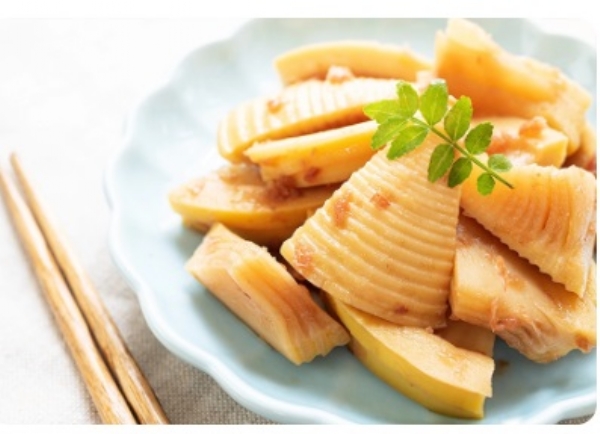
Bamboo shoots are the tender, emerging culms of bamboo plants, harvested before they mature into woody stalks. They are commonly consumed in Asian diets, either fresh, fermented, or canned, and feature a crisp texture with a mild, earthy flavor. Preparation is crucial: raw shoots contain natural compounds like cyanogenic glycosides, which can release cyanide if not properly handled.
Boiling for at least 20-30 minutes neutralizes these toxins, ensuring safety. Unlike the mature plant, which is indigestible, the shoots are nutrient-dense and low in calories, typically around 27 calories per 100 grams. This makes them an appealing option for health-conscious individuals seeking plant-based foods that align with sustainable eating practices.
The nutritional composition of bamboo shoots positions them as a powerhouse among plant foods. They are rich in protein, providing about 2-3 grams per 100 grams, comparable to many vegetables but with a complete profile of essential amino acids. Fiber content is moderate, including types like cellulose, hemicellulose, and lignin, which contribute 2-3 grams per serving and support digestive health. Bamboo shoots are low in fat—less than 0.5 grams per 100 grams—and contain no cholesterol, making them heart-friendly. Key minerals include potassium (around 533 mg per 100 grams, aiding blood pressure regulation), selenium (an antioxidant mineral), copper, phosphorus, and iron.
Vitamins are abundant, studies states that thiamine (B1), niacin (B3), vitamin A, B6, E, and even K in some varieties. Carbohydrates provide energy without spiking blood sugar, thanks to the fiber's moderating effect.
Additionally, bamboo contains phytosterols—plant compounds that mimic cholesterol and help reduce its absorption in the body—and phenolic compounds with antioxidant properties. Compared to popular superfoods like kale (which excels in vitamin C but has less protein) or quinoa (higher in protein but calorie-dense), bamboo offers a balanced, low-calorie alternative with unique bioactive elements.
Scientific studies reveal a range of health benefits from bamboo consumption. For metabolic health, human trials involving nearly 5,000 participants showed improved glycemic control, with bamboo shoots lowering blood sugar levels in diabetic patients. This effect is dose-dependent, meaning higher intake yields greater reductions, potentially due to the fiber and phytosterols that slow glucose absorption.
Lipid profiles also improve, with reduced cholesterol and triglycerides, lowering cardiovascular risk. For instance, one study noted a 10-15% drop in LDL cholesterol after regular consumption. Gut health benefits stem from the prebiotic fibers, which promote beneficial bacteria like Lachnospiraceae and Muribaculaceae, increasing short-chain fatty acid (SCFA) production. These SCFAs enhance gut barrier function and reduce inflammation.
In mouse models fed high-fat diets, bamboo supplementation reduced body weight by up to 30%, alleviated liver damage, and improved insulin resistance. Antioxidant and anti-inflammatory effects are evident in laboratory studies, where bamboo extracts increased cell viability and reduced oxidative stress markers by 20-30%. Phenolic compounds inhibit harmful processes like furan and acrylamide formation during cooking, potentially making fried foods safer.
Older research also links bamboo to anticancer, antibacterial, and antiviral properties, with shoots showing activity against pathogens and aiding weight loss by improving appetite regulation and digestion. Analytically, these benefits surpass those of some superfoods; for example, while spinach provides iron, bamboo's selenium content offers superior antioxidant support, addressing deficiencies common in modern diets.
The latest research, particularly from 2025-2026, underscores bamboo's superfood potential. The seminal review by Anglia Ruskin University, published in Advances in Bamboo Science (DOI: 10.1016/j.bamboo.2025.100210), analyzed 16 studies, including four human trials.
It confirmed positive outcomes like better bowel function and reduced cell toxicity but highlighted research gaps, such as limited high-quality human trials. A 2025 Frontiers in Nutrition article emphasizes bamboo's role in India for nutrition and food security, noting its micronutrient richness supports rural livelihoods. Another 2025 study in the Journal of Food Composition and Analysis details vitamins B6, E, and K, reinforcing its dietary fiber benefits for health.
Recent data from 2026 reports, echoing this review, project bamboo's integration into global diets could address rising obesity rates, with production in China and India exceeding 30 million tons annually. Differences in varieties matter: Some species, like Dendrocalamus, have higher toxin levels, requiring thorough processing, while others, such as Bambusa, are milder. Compared to kale, bamboo has lower vitamin C but higher potassium; versus chia seeds, it offers more fiber diversity but less omega-3s. These variations suggest tailored use—bamboo for gut-focused diets, others for specific nutrients.
Bamboo's sustainability enhances its appeal. As the fastest-growing plant, it requires no pesticides and regenerates quickly, making it ideal for low-income regions. In India, edible shoots provide economic opportunities, bridging nutrition and livelihood. Globally, incorporating bamboo could reduce reliance on resource-intensive crops.
However, potential risks exist. Improper preparation can lead to cyanide exposure or thyroid issues from anti-thyroid compounds, increasing goiter risk. Allergic reactions are rare but possible. Moderation is key, with recommended intake of 100-200 grams daily after boiling.
In conclusion, bamboo shoots represent an overlooked superfood with proven benefits for metabolic, gut, and overall health, supported by emerging research. As scientists call for more studies, integrating this sustainable plant into diets could offer practical solutions to modern health challenges. ( Author is associated with the Hindusthan samachar)
References/Sources/Further reading-
1. Pizzol, D., et al. (2025). Bamboo consumption and health outcomes: A systematic review and call to action. Advances in Bamboo Science, 13: 100210. DOI: 10.1016/j.bamboo.2025.100210. [Cited as , , , , ]
2. Sarkar, P.K., et al. (2025). Edible bamboo shoots: a sustainable nexus of nutrition, livelihood, and food security for rural communities in India. Frontiers in Nutrition, 12: 1654510. DOI: 10.3389/fnut.2025.1654510. [Cited as ]
3. Various news outlets (2026): ScienceDaily, Food Manufacturing, StudyFinds, New Food Magazine, The Sun (UK). [Cited as , , , , , , , , ]
4. Chongtham, N., et al. (2011). Nutritional Properties of Bamboo Shoots: Potential and Prospects for Utilization as a Health Food. Comprehensive Reviews in Food Science and Food Safety, 10(3): 153-168. [Cited as ]
5. Nongdam, P., & Tikendra, L. (2014). Bioactive compounds in bamboo shoots: health benefits and prospects for developing functional foods. International Journal of Food Science & Technology, 49(6): 1425-1431. [Cited as ]
6. Huang, J., et al. (2023). Bamboo Shoots Modulate Gut Microbiota, Eliminate Obesity in High-Fat-Diet-Fed Mice and Improve Lipid Metabolism. Foods, 12(7): 1380. DOI: 10.3390/foods12071380. [Cited as ]
7. X Posts (2025-2026): Discussions on health benefits from users like @EmiratiTimes, @FibroFacts. [Cited as [post:20], [post:23]]
---------------
Hindusthan Samachar / Dr. R. B. Chaudhary