By, Indrani Sarkar
Changing rural employment patterns in Telangana are drawing administrative attention as seasonal and semi-permanent migration trends continue to reshape labour distribution across districts.
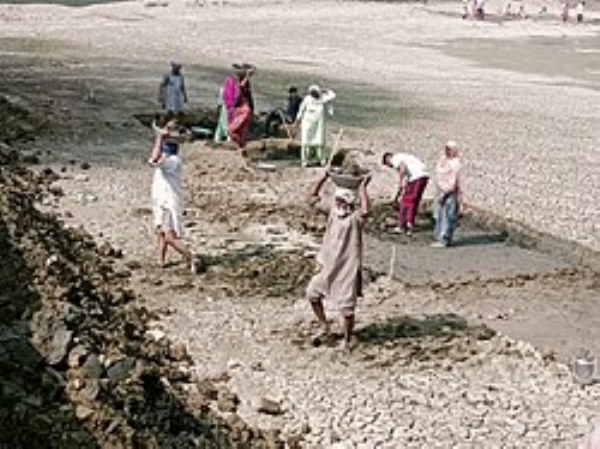
Labour department sources indicate that migration from agrarian districts increases during non-cropping months, particularly from regions dependent on rain-fed agriculture. Workers are moving to Hyderabad, Medchal and Sangareddy districts, where construction, warehousing and service sectors have expanded.
Officials say that while migration for employment is not new, the scale and frequency have changed in recent years. Younger workers are increasingly opting for urban employment even after agricultural seasons conclude, suggesting a structural shift rather than purely seasonal movement.
Economic analysts attribute the pattern to multiple factors — mechanisation in agriculture, rising input costs, and aspirations for higher and regular income among rural youth. At the same time, improved transport connectivity has made short-term relocation easier.
The state government has initiated skill-mapping surveys to align training programmes with emerging market needs. Under various employment schemes, district administrations are being asked to identify skill gaps and introduce targeted training modules in construction trades, retail services, digital operations and small manufacturing.
Rural development authorities are also promoting self-help group-based enterprises and agri-value chain projects to generate local employment. Officials maintain that strengthening rural infrastructure, irrigation support and micro-enterprises remains central to reducing distress-driven migration.
Observers note that the coming years will determine whether rural mobility evolves into sustainable economic mobility or creates demographic imbalances between urban and rural regions. Policymakers are expected to monitor migration data closely before the next planning cycle.
---------------
Hindusthan Samachar / Indrani Sarkar

02 Apr 2026
Mukesh Bhardwaj and the sacred journey of Adishakti at Pournamikkavu temple
Mukesh Bhardwaj and the sacred journey of Adishakti at Pournamikkavu temple..