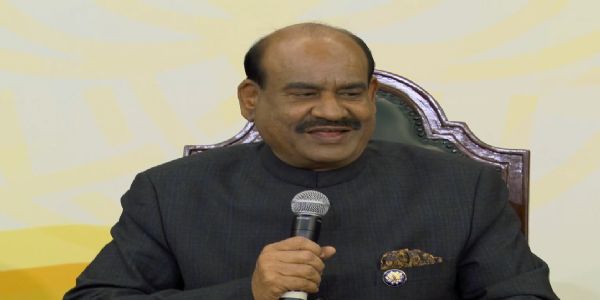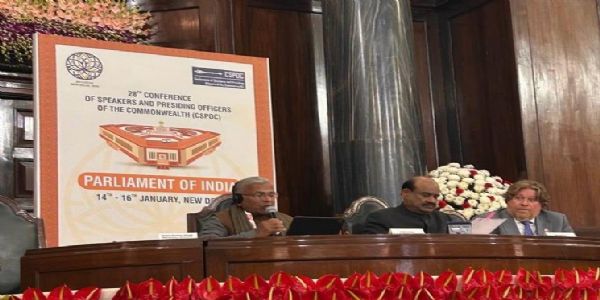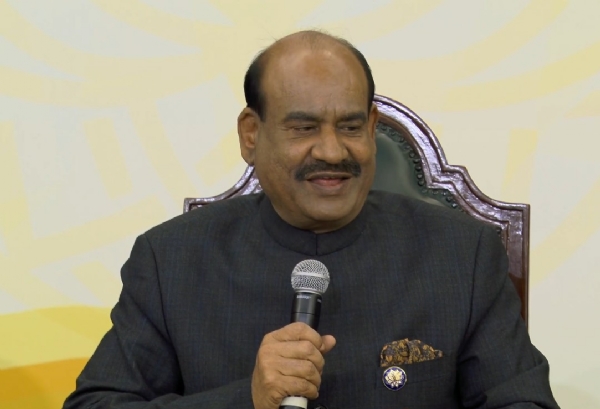
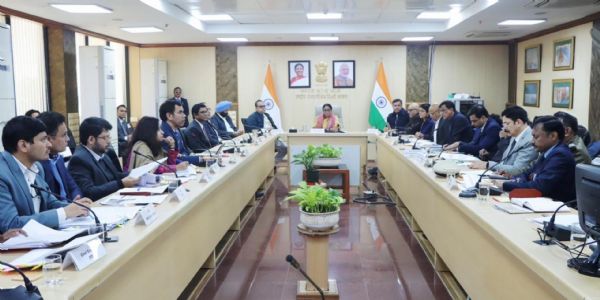
New Delhi, 16 January (H.S.): The 28th Conference of Speakers and Presiding Officers of Commonwealth Parliaments (CSPOC) concluded on Friday with a renewed commitment to making democratic institutions more people-centric. Lok Sabha Speaker Om Birla delivered the closing address during the valedictory session of the two-day conference.
During the session, Speaker Birla handed over the chairmanship of the 29th CSPOC to Sir Lindsay Hoyle, Speaker of the United Kingdom's House of Commons, and extended best wishes for the success of the next conference to be held in London.Birla asserted that democratic institutions remain robust and relevant only when they are transparent, inclusive, responsive, and accountable to the public.
Transparency fosters openness in decision-making processes, thereby bolstering public trust, while inclusivity ensures that every voice—particularly those on the margins of society—is heard and respected in democratic proceedings. Together, these principles sustain the legitimacy of democratic institutions and fortify enduring bonds between citizens and the state.
The Speaker noted that the 28th CSPOC has invigorated the conference's legacy with fresh energy and purpose, ensuring broad and inclusive representation that will mark the New Delhi gathering as a milestone in the history of Commonwealth parliamentary cooperation.
Discussions underscored that CSPOC remains a unique platform for collective reflection on transforming parliaments into more people-centric, accountable, and effective bodies.Reflecting on the conference sessions, Birla highlighted particularly thought-provoking deliberations on the responsible use of artificial intelligence in parliaments, the impact of social media, citizen engagement beyond elections, and the health and well-being of parliamentarians and staff.
Presiding Officers Must Adapt Institutions to Contemporary Needs: Lok Sabha SpeakerEarlier, while chairing a special plenary session, Birla observed that modern democracies confront both unprecedented opportunities and multifaceted challenges. He stressed that the primary duty of presiding officers lies in continuously adapting democratic institutions to contemporary exigencies while remaining firmly rooted in constitutional values.
True relevance of parliaments resides in their responsiveness to citizens' expectations and aspirations, enabling debates and deliberations to yield meaningful solutions to public problems, he remarked. Extensive and in-depth discussions directly contribute to greater transparency, accountability, and strengthened public confidence in legislatures.
Birla emphasized that both consensus and dissent constitute the vital forces of democracy, yet they must be expressed within the framework of parliamentary decorum. In this context, he described the presiding officer's role in safeguarding the dignity of the House, ensuring impartiality, and bolstering institutional credibility as pivotal.
Parliaments belong to the people and must provide space for every section of society, including the last person in the social hierarchy, he underlined. Ensuring broad participation of members in debates, balanced utilization of House time, and equal opportunities for all sides represent the mandatory responsibilities of the Chair.
---------------
Hindusthan Samachar / Jun Sarkar
16 Jan 2026