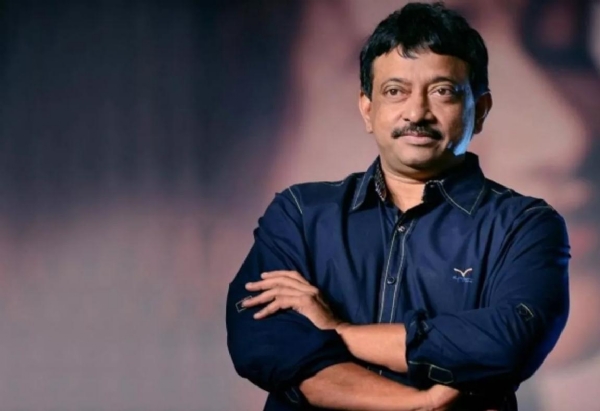
Lokesh Chandra Dubey
The cult-classic Rangeela, starring Aamir Khan and Urmila Matondkar, released in 1995, returns to theaters nearly three decades later, captivating audiences once again with its timeless allure. RD Burman's iconic music, AR Rahman's groundbreaking background score, the magnetic on-screen chemistry between Aamir and Urmila, and Ram Gopal Varma's innovative directorial vision cemented its place among the 1990s' most unforgettable films.
On this special occasion, director Ram Gopal Varma spoke exclusively to 'Hindusthan Samachar', sharing his emotions about the re-release while candidly discussing his cinematic journey, the shifting landscape of filmmaking, and the South versus Bollywood debate.
Looking back today, what does Rangeela signify in your career?
Certain films truly transcend time, delivering the same joy and entertainment regardless of the era. Rangeela's narrative and characters connect with audiences today just as profoundly as they did initially. The songs' masterful composition and exquisite visualization established a new benchmark for the time, with myriad creative elements converging to not only ensure its success but also elevate it to classic status.
How did the decision to bring AR Rahman on board come about?
I had encountered Rahman's work prior to Rangeela, and candidly, the architecture of his music and its rhythmic innovation left me spellbound. While talented composers abound, Rahman's melodies possessed a unique freshness and experimental edge found nowhere else. This conviction drove my eagerness from the outset to entrust the film's music to him alone. I refrained from interfering in the musical process, confident that his creation would be extraordinary—and it proved so, as Rangeela's soundtrack's monumental success attests, crafting a magic unlikely to recur.
In today's cinematic environment, what changes would you suggest to retell the same story?
Rangeela's story remains as relevant and relatable across eras, rendering alterations unnecessary. Personally, I oppose a sequel or remake, as the film's soul resides in its performers, music, and the era's innocence—elements impossible to recreate authentically. Audiences, too, might resist viewing this tale through new actors, cherishing its original perfection intact.
Do you believe contemporary filmmakers shy away from risks or bold experiments in Hindi cinema?
Speaking for myself, I never approached films as risks; each project embodied confidence—in the story, my team, and my creative intuition. Conversely, those repetitively churning out formulaic fare assume the greatest peril. Viewers today are acutely discerning, with tastes evolving rapidly, leading to roughly 90 percent of releases failing at the box office. This underscores that no formula or style guarantees success anymore; only originality and authenticity prevail.
Post-Kantara's triumph, should Hindi filmmakers learn from South cinema? What prompted your tweet on this?
South cinema produces numerous underperformers, just as we selectively spotlight hits and assume universal excellence there—a misconception. Select filmmakers like Rishab Shetty and Sandeep Reddy Vanga craft original, innovative content, yet these remain exceptions. Mumbai's corporate production houses often involve ten executives dictating every aspect, stifling creativity and yielding suboptimal decisions in my experience.
In contrast, a visionary director working solo or with a small cadre can produce something truly distinctive and extraordinary. The optimal approach grants directors full creative autonomy to realize their narrative and vision, with production teams later advising on business and marketing. This equilibrium between artistic freedom and commercial input maximizes both quality and viability.
Hindusthan Samachar / Jun Sarkar