Bengaluru, 28 July (H.S.) :Karnataka is considering challenging the Cauvery Water Regulation Committee's (CWRC) latest directive ordering the State to release 4 thousand million cubic feet (tmcft) of water to Tamil Nadu, citing an acute drought and dwindling reservoir levels.
At its meeting in New Delhi on Tuesday, the CWRC directed Karnataka to release 4 tmcft of water to Tamil Nadu at the rate of 3,500 cusecs per day over the next 15 days.
Reacting to the order, Karnataka Water Resources Minister K. Ramalinga Reddy expressed concern, saying the State was facing a severe drought and that the government would examine the option of appealing against the directive before the Cauvery Water Management Authority (CWMA), the apex body overseeing implementation of the Cauvery water-sharing mechanism.
The Minister said a final decision would be taken after consultations with Chief Minister D.K. Shivakumar and senior officials. Both leaders are currently in New Delhi, where the Chief Minister had convened a meeting of Karnataka Members of Parliament to discuss drought-related issues and seek greater support from the Centre.
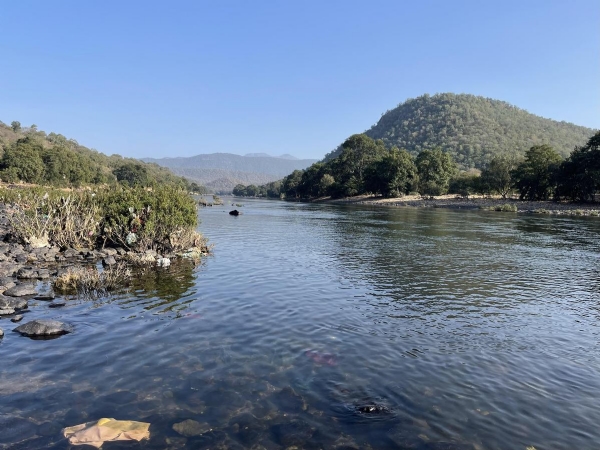
Reddy maintained that the water available in Karnataka's four major reservoirs in the Cauvery basin was sufficient only to meet drinking water requirements. Official data showed that as of July 27, the outflow from the Krishna Raja Sagar (KRS) reservoir, the principal source of water released to Tamil Nadu, stood at just 1,743 cusecs.
The State has attributed the crisis to a weak southwest monsoon. Karnataka depends on the southwest monsoon for nearly 75 per cent of its annual rainfall, but this season the State has recorded an overall rainfall deficit of around 35 per cent.
The situation is particularly critical in Kodagu, the birthplace of the Cauvery and its largest catchment area, where rainfall has been deficient by nearly 45 per cent, raising concerns over inflows into the river system and reservoir storage in the weeks ahead.
---------------
Hindusthan Samachar / Arun Lakshman
28 Jul 2026