Ground Reality Report from Rural Jamunapar Prayagraj,
reveals Dr. Mani Shanker Dwivedi
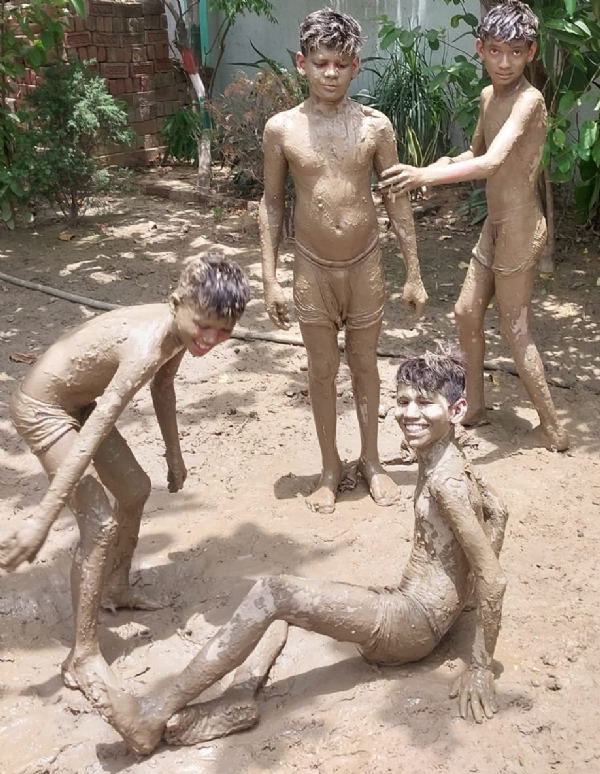
Prayagraj, 24 June (HS): The sight of children playing
freely in the mud and open fields of rural Prayagraj reflects the innocence,
joy, and energy of childhood. Their smiles speak of happiness and freedom, yet
behind these cheerful faces lies a harsh reality that demands the attention of
society. While these children enjoy the simple pleasures of rural life, many of
them continue to remain deprived of quality education, proper guidance, and
essential values that are crucial for their overall development.
A recent survey conducted by HUDSA (Human Upliftment,
Development & Social Awareness) across the rural Jamunapar region of
Prayagraj revealed a concerning situation. Despite various government
initiatives and educational programs, a significant number of children still
lack access to basic education. Poverty, social deprivation, and economic
hardships continue to force many families to place survival above schooling,
leaving children without the opportunities they deserve.
Every child possesses immense potential. The children seen
playing in village surroundings today could become tomorrow’s teachers,
doctors, engineers, scientists, entrepreneurs, soldiers, and leaders. What they
need is not sympathy, but opportunity. With the right environment, proper
guidance, quality education, and strong moral values, these children can be
brought into the mainstream of development and empowered to contribute
meaningfully to society and the nation.
Education is far more than learning to read and write. It
builds character, develops critical thinking, instills values, and prepares
children to become responsible citizens. A child who receives education and
positive guidance gains the confidence and skills necessary to shape a better
future for himself and his community.
The HUDSA survey further highlighted that many children in
remote villages spend much of their time engaged in informal activities because
their families cannot afford educational resources or are unaware of the
long-term importance of schooling. In several cases, children either attend
school irregularly or drop out at an early stage. This educational gap
continues to hinder the social and economic progress of rural communities.
To address this challenge, collective efforts from
government agencies, educational institutions, corporate social responsibility
(CSR) initiatives, civil society organizations, and local communities are
essential. Establishing community learning centers, digital literacy programs,
libraries, sports facilities, and value-based educational activities can play a
transformative role in shaping the future of these children.
India's vision of becoming a developed nation can only be
achieved when every child, regardless of social or economic background,
receives equal opportunities to learn and grow. The children of rural Jamunapar
are not merely beneficiaries of development; they are future contributors to
it. Investing in their education today means investing in the nation's progress
tomorrow.
The mud on their bodies should not define their future.
Instead, books in their hands, values in their hearts, and opportunities in
their lives should shape their destiny. With proper support and guidance, these
children can become active participants in nation-building and symbols of a
stronger, more inclusive India. The future of the nation is sitting in our
villages today. It is our collective responsibility to ensure that no child is
left behind.
Hindusthan Samachar / Abhishek Awasthi

24 Jun 2026
Vikram Montrose Making Waves in B’wood Music; meeting with Sanjay Dutt altering his fate

24 Jun 2026