New Delhi, 11 April (H.S.):
Congress leader Shashi Tharoor emphasised the imperative of peace amid the fragile ceasefire between Iran and the US-Israel axis in West Asia, now over a month old, asserting that the source of peace matters less than its establishment itself.
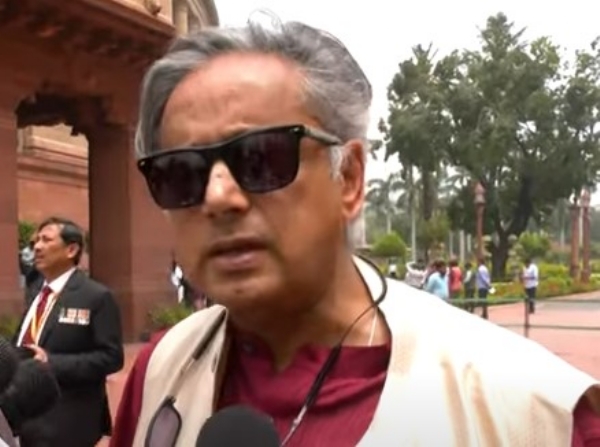
Speaking to journalists here on Saturday, Tharoor stated, India's core interest lies in peace, and we must monitor developments with utmost caution. Rather than remaining isolated, India should engage proactively, hoping these efforts cement lasting stability.
He noted that the Prime Minister, External Affairs Minister, and Petroleum Minister maintain constant contact with regional leaders, aligning with national interests.
Who brings peace is immaterial—peace arriving is paramount, Tharoor reiterated.
Should peace falter, we must deeply analyse its causes and explore how India can contribute to divergent outcomes in future. Our fundamental stake is in sustaining peace and regional order, as vacuums breed peril and inflict collateral damage.
Positioning India as a leading voice of the Global South and responsible architect of regional-global frameworks, Tharoor argued against passivity: We cannot spectate while fire rages next door. Active involvement is essential, calibrated thoughtfully to maximise utility—sometimes, silence proves most efficacious.
He praised heightened Indian activism—two ministers on tour, the PM on constant calls, three physically present—urging amplification: Such engagement empowers us for pivotal future roles.
Notably, a Congress resolution issued Friday night condemned assassinations of heads of state, wars outside international law, and attacks on civilians/infrastructure as atrocities against humanity and rules-based order. Any viable resolution must anchor in Geneva Conventions, ICCPR, Paris Accords, and UN Charter tenets—especially prohibiting force against territorial integrity/political independence (Article 2(4)) and mandating peaceful dispute settlement (Article 2(3)).
The resolution implored the BJP government to prioritise national interest over electoral-ideological agendas, heed foreign policy experts, and—consulting opposition—promptly revise policy for a unified national approach.
This would restore India's historic mantle as a principled, proactive, credible voice for peace and equitable global order.
---------------
Hindusthan Samachar / Jun Sarkar