Jammu, 18 March (H.S.): Escalating tensions involving the United States, Israel and Iran in West Asia have begun to cast a shadow on India’s energy security, with potential ripple effects on both LPG availability and the power sector, particularly in Jammu and Kashmir.
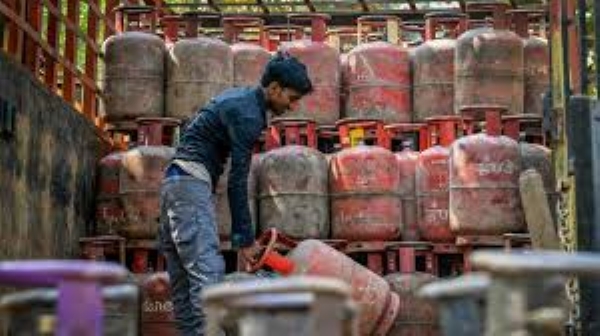
According to a former officer of Powergrid, the ongoing conflict has disrupted shipping routes through the strategically crucial Strait of Hormuz, a narrow passage that handles nearly two-thirds of India’s LPG imports. With around 60-65% of the country’s LPG supply dependent on this corridor, the disruption has triggered supply concerns across domestic markets.
Reports indicate a surge in demand for alternative cooking solutions, with households increasingly turning to induction stoves and other electric appliances amid fears of LPG shortages.
This sudden behavioural shift is expected to place additional pressure on India’s already stretched power infrastructure.
Energy experts warn that even a short-term spike in electricity demand, particularly during peak cooking hours in the mornings and evenings, could challenge utilities nationwide.
However, the situation is likely to be more critical in regions like Jammu and Kashmir, where infrastructure constraints and seasonal demand fluctuations already pose significant challenges.
Jammu and Kashmir, with its limited local generation capacity, remains heavily reliant on power imports from the national grid.
Urban centres such as Srinagar and Jammu may also witness temporary grid stress during peak hours unless power utilities adopt effective load management strategies, including demand forecasting and staggered supply mechanisms.
At the national level, a sustained shift toward electric cooking could increase dependence on coal-based power generation to meet rising demand, potentially driving up carbon emissions and electricity tariffs.
This, in turn, may worsen the financial health of power distribution companies, including those operating in J&K.
Despite the immediate challenges, experts believe that the shift toward electric cooking could align with India’s broader clean energy transition goals.
---------------
Hindusthan Samachar / Krishan Kumar