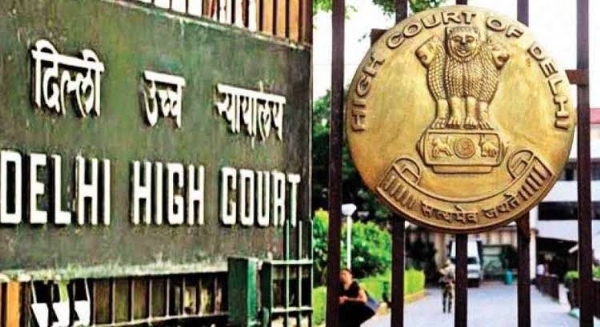
New Delhi, 18 March (H.S.): The Delhi High Court has extended the interim bail of Bollywood actor Rajpal Yadav till April 1 in a long‑standing cheque‑bounce case. A bench of Justice Swarnakanta Sharma, while hearing the matter on Wednesday, increased the earlier interim relief and made it clear that the actor’s plea for regular bail can be argued on the next date of hearing, with no further adjournment allowed.
The Court, which had on 16 February ordered Yadav’s release on interim bail, now directed that his existing interim relief — under which he remains out of custody — be extended until April 1. The actor, who appeared before the bench on Wednesday, has already deposited ₹4‑odd crore with the complainant, Murali Projects Pvt. Ltd., and additionally handed over a demand‑draft of ₹25 lakh, the Court noted.
The bench, while granting the extension, told Yadav’s counsel that the actor could either press for regular bail in the case on April 1 or move a proposal for a final settlement; however, the Court refused to allow any further postponement of the hearing. The High Court’s order effectively keeps the actor at liberty till the next scheduled date while the matter of bail and eventual disposal of the petition is kept pending.
The dispute originated from a film‑financing transaction in 2010, when Yadav and his company borrowed ₹5 crore from Murali Projects to complete the movie Ata Pata Laapata. Under the agreement, he was to repay the principal plus interest, amounting ultimately to about ₹8 crore, but failed to meet the obligation. The deal was reportedly renewed three times, and by 2012 the total liability had swollen to around ₹11.1 crore.
Yadav’s company again failed to clear the dues, and the cheques issued to the company bounced, triggering criminal proceedings under the Negotiable Instruments Act.
The Karkardooma court had earlier convicted him in the cheque‑bounce case and sentenced him to six months’ imprisonment, a decision that has since been under challenge in the High Court. Yadav, who once maintained that the money was an “investment” rather than a loan, did not succeed with this defence before the trial court, which treated the transaction as a loan and found the bounced cheques to be criminal defaults.
---------------
Hindusthan Samachar / Jun Sarkar
18 Mar 2026