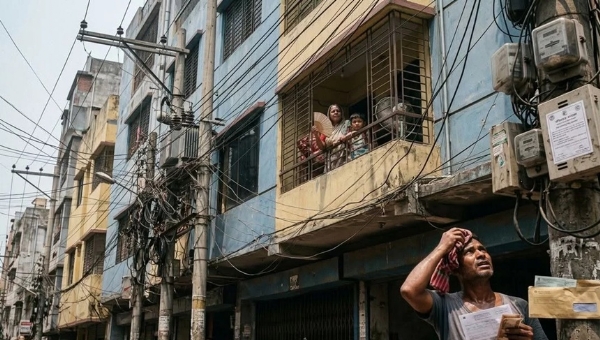
Dhaka, 09 August (H.S.): The Bangladesh Energy Regulatory Commission (BERC) quietly increased electricity tariffs in June, raising the wholesale rate from 7 taka to 8.39 taka per kilowatt-hour, an increase of 19.85 per cent.
The hike has also pushed up the average retail electricity tariff by 16.68 per cent, from 9.11 taka to 10.63 taka per unit. However, BERC has retained the existing subsidised rates for households with lower electricity consumption.
According to the revised tariff structure, households consuming less than 50 units of electricity will continue to pay 4.63 taka per unit, while those using less than 75 units will pay 5.26 taka per unit. The average retail tariff has been fixed at 10.40 taka per unit.
According to a report by The Dhaka Tribune, under the revised rates, residential consumers using between 76 and 200 units a month will now pay 8.50 taka per unit for consumption above the initial 75 units. The previous rate for this slab was 7.20 taka per unit.
For a household consuming 200 units of electricity a month, the electricity bill will rise from 1,294.50 taka to 1,457 taka. This represents an additional cost of 162.50 taka, excluding demand charges and value-added tax (VAT).
The tariff increase comes at a time when Bangladesh is experiencing intense summer heat, potentially increasing household demand for electricity for cooling and other essential needs.
Between 1980 and 2023, Bangladesh’s maximum temperature rose by 1.1 degrees Celsius, while the increase in Dhaka reached 1.4 degrees Celsius. The situation has been further aggravated by the loss of nearly 47 per cent of the capital’s densely green areas between 1989 and 2020.
The World Health Organization has recommended changes in housing policies as part of measures to help communities cope with the effects of rising temperatures.
Hindusthan Samachar / Jun Sarkar
09 Aug 2026