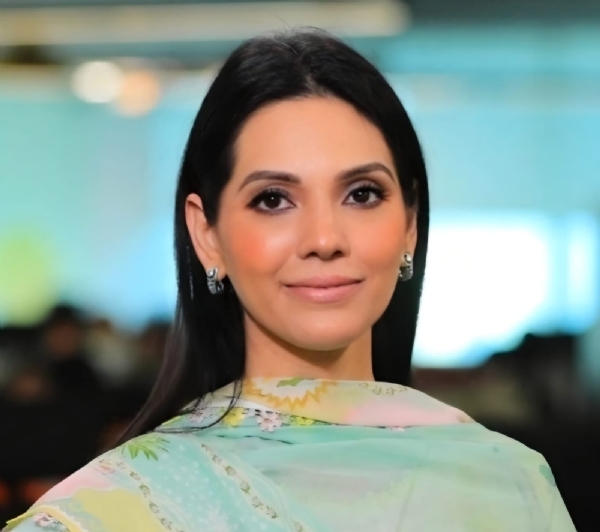
Lucknow, 04 July (HS): “With an estimated population of 1.47
billion in 2026, India is the world's largest vibrant democracy, home to nearly
18 percent of the global population. Just as the country encompasses deserts,
mountains, plains, and metropolitan cities, it also possesses an
extraordinarily rich and ancient legacy of religious, cultural, and linguistic
diversity. India is home to every major religion in the world, hundreds of
languages, diverse cultural traditions, and legal systems ranging from
customary practices to modern statutory laws. Yet, amidst this remarkable
diversity, an important question remains: Have all citizens—especially
women—been able to enjoy equal civil rights?” quips Dr. Shalini Ali, Social
Activist and Author.
“Since 1950, Article 44 of the Constitution of India has
directed the State to endeavour to secure a Uniform Civil Code (UCC) for all
citizens throughout the country. However, more than seven decades later,
fundamental civil matters such as marriage, divorce, inheritance, adoption, and
maintenance continue to be governed by religion-specific personal laws. In the twenty-first century, the time has come to implement
a Uniform Civil Code that strengthens civil law on the foundations of equality,
justice, and national integration, without erasing anyone's cultural or
religious identity,” she added.
“The debate surrounding the Uniform Civil Code has deep
historical and constitutional roots, extending back to the deliberations of the
Constituent Assembly. Dr. B. R. Ambedkar strongly defended the inclusion of
Article 44 among the Directive Principles of State Policy, arguing that a
common civil law, introduced gradually, would strengthen national unity. He
firmly maintained that the constitutional guarantee of religious freedom should
not prevent the State from reforming social institutions such as marriage,
inheritance, and succession,” she remarked prior to signing off.
Hindusthan Samachar / Abhishek Awasthi

04 Jul 2026
8 Officials Suspended, Contractual Staff Removed In J&K Over Books 'Glorifying' Separatism


04 Jul 2026