New Delhi, 02 July (H.S.):
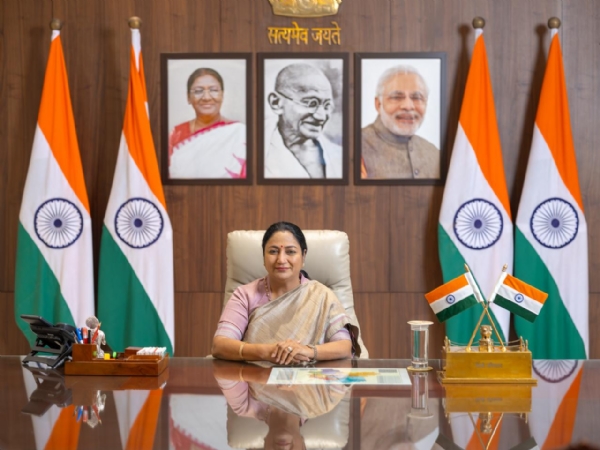
Delhi Chief Minister Rekha Gupta on Thursday said the Delhi Electric Vehicle (EV) Policy is designed to reduce not only the initial purchase cost of electric vehicles but also their overall lifetime ownership expenses.
In a statement issued on Thursday, the Chief Minister said the policy provides a comprehensive package of benefits, including purchase incentives for electric vehicles, financial incentives for scrapping old polluting vehicles, lifetime exemption from road tax, complete waiver of registration fees, and significantly lower operating and maintenance costs compared to petrol and diesel vehicles. She said these measures make electric vehicles the most economically viable option for households, commercial drivers and businesses of all sizes.
Gupta said eligible beneficiaries purchasing electric two-wheelers will receive a purchase incentive of up to ₹30,000, a scrapping incentive of ₹10,000, lifetime exemption from road tax and complete waiver of registration fees. These benefits, excluding tax-related savings, could result in an initial saving of more than ₹50,000.
Eligible buyers of electric auto-rickshaws (L-5 category) will receive a purchase incentive of up to ₹50,000, a scrapping incentive of ₹25,000, lifetime road tax exemption and waiver of registration fees, enabling initial savings of more than ₹75,000, excluding tax benefits.
Buyers of electric Gramin Sewa vehicles will be eligible for a scrapping incentive of ₹15,000 upon scrapping an old vehicle. Eligible purchasers of electric N-1 goods carriers will receive a purchase incentive of up to ₹1 lakh, a scrapping incentive of ₹50,000, lifetime exemption from road tax and complete waiver of registration fees. These benefits could reduce the initial purchase cost by nearly ₹1.5 lakh, excluding tax-related advantages.
The Chief Minister clarified that the policy does not provide a direct purchase incentive for private electric cars. However, eligible buyers who scrap a conventional fuel-powered car and purchase an electric car will receive a scrapping incentive of up to ₹1 lakh, along with lifetime exemption from road tax and complete waiver of registration fees. She said these provisions would still provide substantial financial benefits despite the absence of a purchase subsidy.
Gupta said one of the policy's defining features is that it combines multiple financial incentives rather than relying on a single subsidy. Eligible buyers can significantly reduce the effective cost of purchasing an electric vehicle by availing themselves of purchase incentives, scrapping incentives, lifetime road tax exemption and a one-time waiver of registration fees. She added that these measures make Delhi one of the most attractive destinations in the country for purchasing electric vehicles.
The Chief Minister said the government has decided to utilise public funds where they would deliver the greatest benefit to ordinary citizens. Accordingly, the policy prioritises vehicle categories such as two-wheelers, three-wheelers and N-1 goods carriers, which are primarily used by middle- and lower-income families, commercial drivers, delivery partners and small businesses. Instead of subsidising private cars, the government has focused its investment on vehicle segments that would deliver the greatest environmental benefits while supporting the livelihoods of millions of people.
Gupta further said that the road tax exemption under the policy would remain valid throughout the entire lifespan of the vehicle rather than being limited to the duration of the policy. Buyers will also receive a complete waiver of registration fees at the time of purchase. She noted that these benefits, combined with the inherently lower running costs of electric vehicles, would make them significantly more economical than conventional petrol and diesel vehicles.
She added that the savings extend well beyond the initial purchase. Electricity costs per kilometre are considerably lower than fuel costs for petrol and diesel vehicles, while electric vehicles require less maintenance and servicing because they have fewer moving parts. Over the vehicle's lifetime, these operational savings could exceed the government's initial financial incentives.
The Chief Minister also said that more than 300 registered electric vehicle models are currently available in Delhi, ranging from affordable scooters and premium motorcycles to electric auto-rickshaws and commercial cargo vehicles. Increasing competition among manufacturers has improved product quality, expanded consumer choice and made electric vehicles more accessible across different income groups and usage requirements.
She urged citizens to ensure that the vehicle they intend to purchase is approved under the Delhi EV Policy. The Transport Department, she said, will make the list of all eligible models available on its online portal, and buyers should verify the list before booking a vehicle.
---------------
Hindusthan Samachar / Jun Sarkar
02 Jul 2026