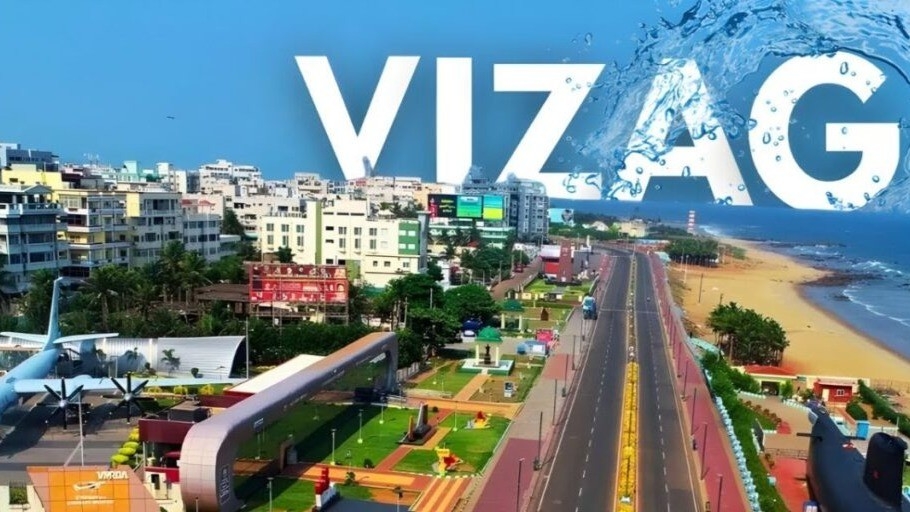
Visakhapatnam, June 3 (HS): From being known primarily as a port city on India's eastern coast, Visakhapatnam is steadily evolving into a major centre for maritime trade, logistics, industry and connectivity, reflecting a broader shift in India's economic geography.
A combination of port expansion, railway connectivity, industrial investments and coastal development initiatives is placing the city at the centre of efforts to strengthen trade and transportation networks along the eastern seaboard.
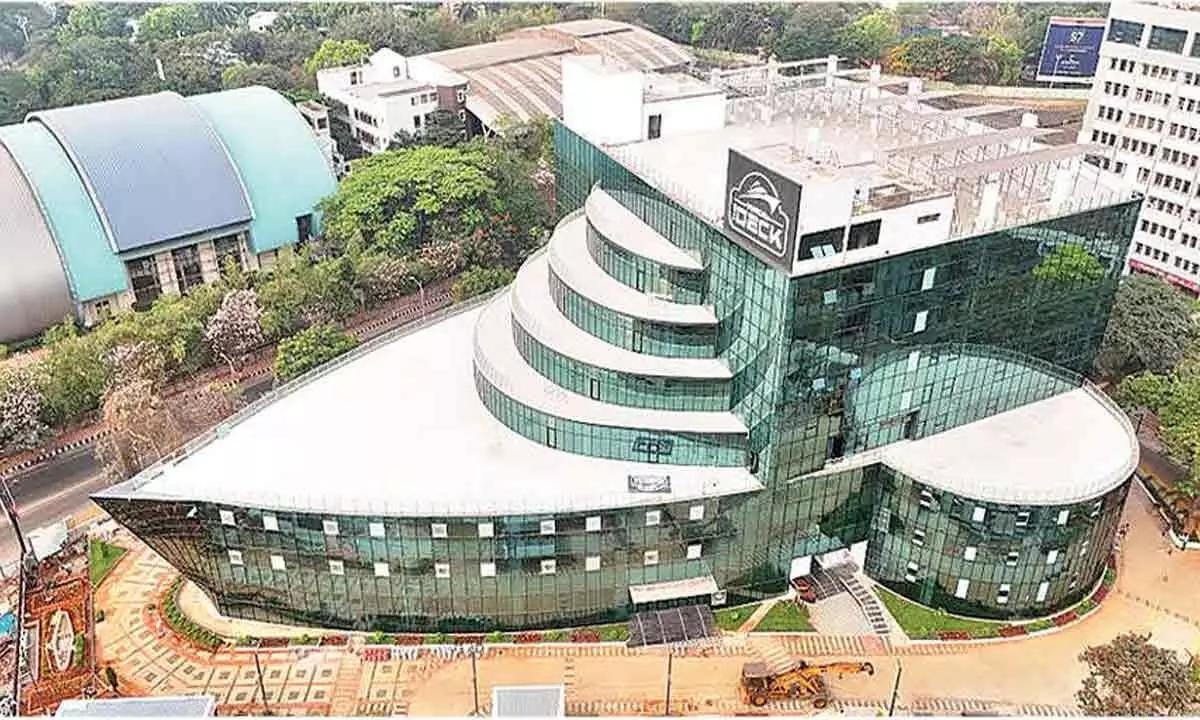
The latest milestone in this transformation came with the operationalisation of the South Coast Railway Zone headquartered in Visakhapatnam, a long-pending demand expected to improve freight movement, railway administration and connectivity across Andhra Pradesh. The development is being viewed as an important step in strengthening the city's role as a logistics and transportation hub.
The new railway zone will oversee more than 3,500 route kilometres, 385 stations and a freight network projected to handle nearly 100 million tonnes annually, linking ports, industries and key economic centres across the region.
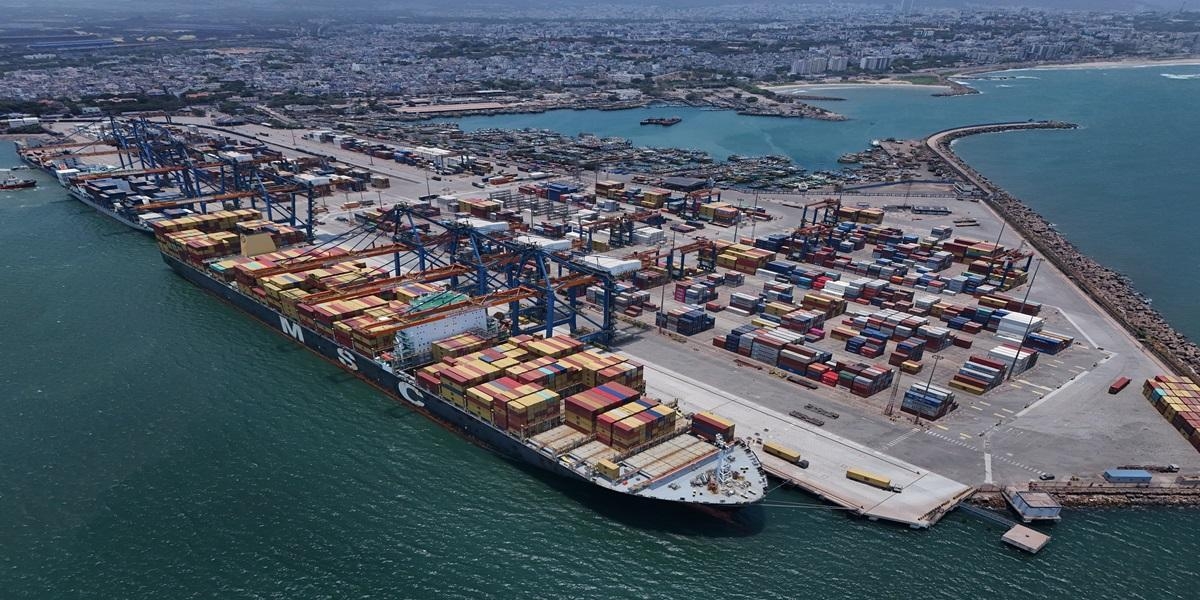
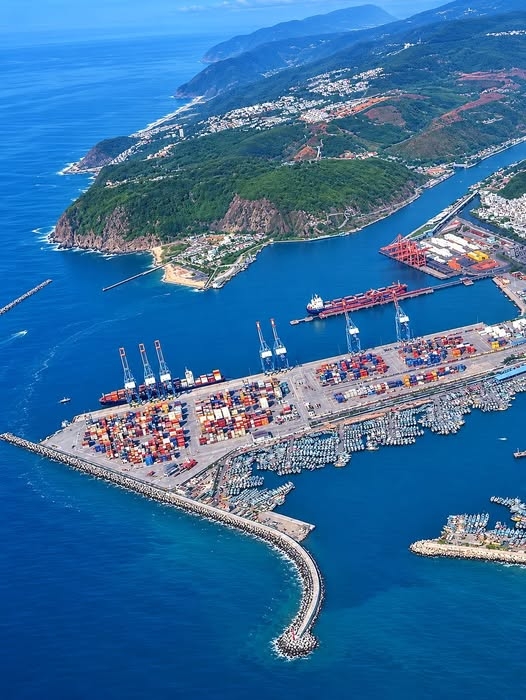
At the same time, Visakhapatnam Port continues to expand its footprint. One of the country's major ports, it handles a diverse range of cargo including petroleum products, coal, iron ore, fertilisers and container traffic. Growing cargo volumes and infrastructure upgrades have reinforced the port's importance not only for Andhra Pradesh but also for industries located in neighbouring states.
The city's growing maritime importance was highlighted recently when the Visakhapatnam Port Authority recorded its highest-ever cargo throughput of 91.17 million metric tonnes during the financial year 2025-26, registering a growth of 10.34 per cent over the previous year. The port crossed the 80-million-tonne mark in a record 327 days and the 90-million-tonne milestone in 362 days, underlining its expanding role in India's trade and logistics network. Authorities have now set a target of crossing the 100-million-tonne mark in the coming financial year.
Industry experts believe Visakhapatnam's strategic advantage lies in the combination of its natural harbour, rail connectivity and proximity to mineral-rich regions of eastern and central India. These factors have helped position the city as a gateway linking domestic production centres with global markets.
Infrastructure expansion within the port ecosystem is also continuing. Modernisation of fishing harbour facilities, railway track improvements, berth upgrades, logistics infrastructure and waterfront development projects are among the initiatives being undertaken to improve operational efficiency and support future growth.
The city is also witnessing increasing attention from planners and policymakers seeking to develop new economic growth centres beyond traditional metropolitan regions. Alongside infrastructure expansion, Visakhapatnam has recently become the first city in the country to secure approval for a Strategic Investment Plan under the PM-SETU programme through its ITI cluster, aimed at strengthening industry-led skill development and creating a workforce aligned with emerging industrial requirements.
Beyond trade and industry, improved infrastructure is expected to generate employment opportunities across logistics, transportation, warehousing, manufacturing, services and ancillary sectors. The city's growing economic profile is also attracting fresh investment interest in maritime-linked industries and industrial development.
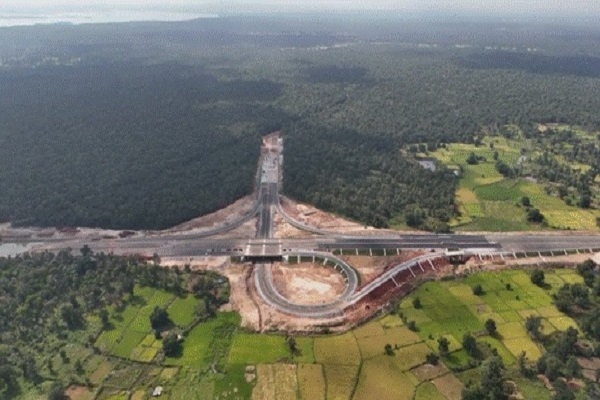
Observers note that India's focus on port-led development, multimodal connectivity and coastal economic growth has created new opportunities for cities like Visakhapatnam. As road, rail and port infrastructure become more closely integrated, the city is increasingly being viewed as an important node in the country's long-term economic and logistics strategy.
For decades, Visakhapatnam has served as one of the country's important maritime gateways. Today, with expanding infrastructure, improved connectivity, record cargo growth, a new railway zone and increasing industrial activity, the city appears poised to play an even larger role in shaping India's maritime and industrial future.
Hindusthan Samachar / Jun Sarkar


03 Jun 2026