Prayagraj, 11 June (HS): “India’s identity has long been
shaped by its rich cultural diversity, folk traditions, and traditional
occupations. Among these, the art of pottery—creating earthenware from clay—has
been an integral part of Indian life for centuries. There was a time when village
mornings began with cool water stored in clay pots and evenings glowed with the
light of earthen lamps. Every household used clay products such as pitchers,
pots, surahis, kulhads, and diyas. However, with changing times, this age-old
tradition is gradually fading away. The livelihood that has sustained
generations of potter families is now facing a serious crisis. From an economic
perspective, pottery is no longer as profitable as it once was. Producing
earthenware requires immense labor, time, and skill, yet the income earned is
often insufficient. The process of sourcing quality clay, preparing it, shaping
the products, drying them, and firing them in kilns is both demanding and
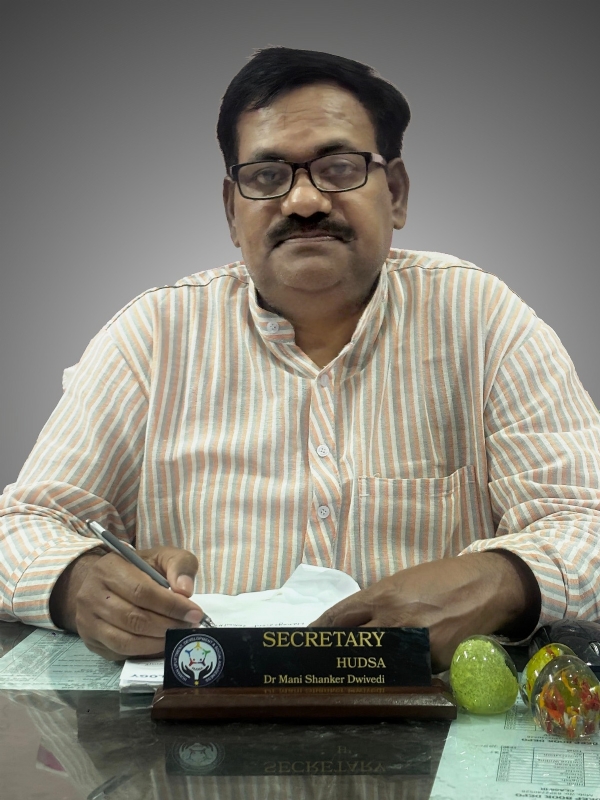
costly,” opines Dr. Mani Shankar Dwivedi, Principal of Motilal Nehru P.G.
College, Kaundhiyara.
Seventy-six-year-old Ram Lal Prajapati of Chaka village in
Karchhana, who has been practicing this craft since the 1970s, believes that
pottery products do not receive fair market value, forcing many potter families
into financial hardship. The greatest impact is being felt by the younger
generation, which is increasingly losing interest in carrying forward this
traditional art.
Similarly, Nand Kishore from Dandi identifies access to
quality clay as one of the biggest challenges facing potters today. He explains
that a significant amount of time and money is spent merely arranging suitable
clay, while both government and society remain largely indifferent to their
struggles.
Potter Gameraj points out that most artisans are still
confined to local village markets, while modern commercial networks dominate
the economy. He also notes that the widespread use of plastic products has
severely damaged the demand for traditional earthenware.
Ram Bharose of Kaundhiyara expresses hope that access to
electric pottery wheels, quality clay, improved iron kilns, and participation
in modern marketing systems could bring transformative changes to the lives of
potter families. Such support, he believes, would not only improve livelihoods
but also contribute significantly to environmental sustainability. The reality is that clay products are more relevant today
than ever before from an environmental perspective.
At a time when the world is struggling with plastic
pollution, earthenware offers a completely natural, biodegradable, and
eco-friendly alternative. The challenges faced by potters are not merely the
concerns of one community; they are closely linked to the preservation of our
cultural heritage and traditional knowledge systems. The need of the hour is
for governments, corporations, non-governmental organizations, and society at
large to join hands and take meaningful action. Potters should be provided with
modern design training, technical support, financial assistance, easy access to
credit, digital marketing opportunities, and sustainable market linkages.
The spinning potter’s wheel does more than shape clay—it
shapes our culture, traditions, and self-reliance. It is essential that we act
now to preserve this invaluable heritage so that future generations can
continue to experience the earthy fragrance of clay and the timeless spirit of
Indian craftsmanship associated with it.
Hindusthan Samachar / Abhishek Awasthi
11 Jun 2026
Dying Potters’ Tradition: Crisis for Culture and Livelihoods Rooted in Clay, says Dr. Mani Shankar Dwivedi

11 Jun 2026