Tehran, 04 May (H.S.):
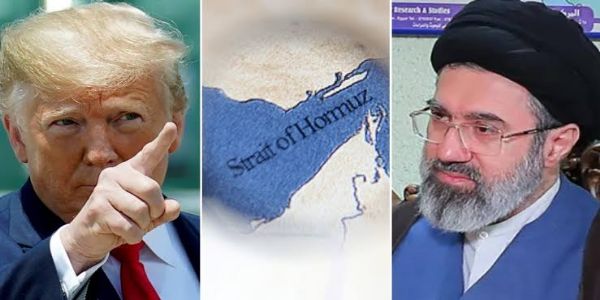
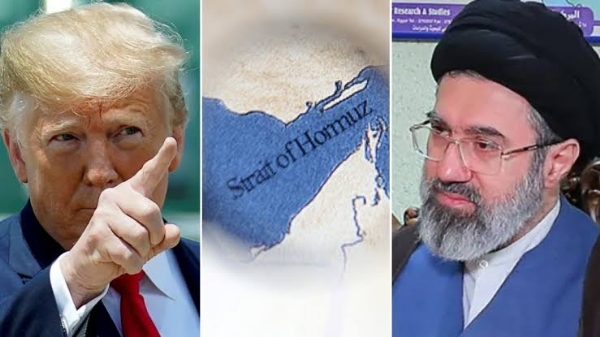
A senior Iranian lawmaker issued a stark warning on Monday, declaring any United States interference in the Strait of Hormuz's maritime regime a direct violation of the fragile ceasefire brokered between Washington and Tehran last month.
Ebrahim Azizi, chairman of Iran's parliamentary national security commission, emphasized Tehran's resolve to defend its sovereignty over the vital waterway, which has been a flashpoint amid escalating tensions since late February.
Ebrahim Azizi, head of the Iranian parliament’s National Security and Foreign Policy Commission,
Ceasefire Fragility Amid Dual Blockades
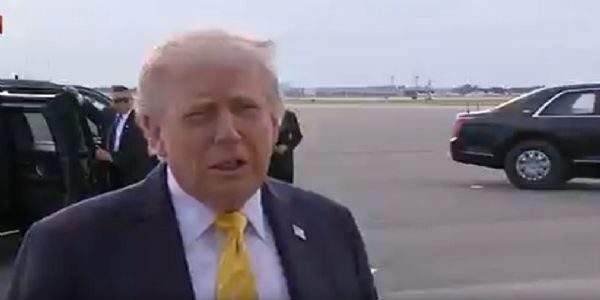
The admonition follows President Donald Trump's announcement of US naval escorts for commercial vessels through the strait, set to commence immediately, as part of efforts to counter Iran's restrictions imposed in retaliation for US-Israeli strikes.
Iran, which initially restricted passage to non-hostile ships under Islamic Revolutionary Guard Corps oversight, views the US move as an aggressive encroachment on its territorial claims. This dual blockade—US targeting Iranian ports and Iran mining and seizing vessels—has halved global oil flows, triggering the worst energy disruption in decades and surging prices worldwide.
Strategic Chokepoint Under Siege
The Strait of Hormuz, a 21-mile-wide artery between Iran and Oman channeling 20-25% of seaborne oil and LNG, became a weaponized zone after Iran's February 28 response to the assassination of Supreme Leader Ali Khamenei and subsequent airstrikes.
Tehran established a de facto toll corridor north of Larak Island for compliant traffic while attacking adversaries, prompting Trump's April 7 ceasefire demand for complete, immediate reopening in exchange for halting bombings.
Despite extensions mediated by Pakistan, mutual accusations persist, with Iran demanding sanction relief and uranium rights, while the US insists on demilitarization.
Iranian officials, including IRGC commanders, have signaled readiness for painful responses should US actions resume hostilities, potentially reigniting missile exchanges that have already damaged Gulf infrastructure.
Global powers urge de-escalation; Britain and France back escorts, while China condemns the blockade as reckless. As talks stall over Hormuz control, experts warn the impasse risks unraveling the truce, reshaping Middle East alliances and energy security.
---------------
Hindusthan Samachar / Jun Sarkar