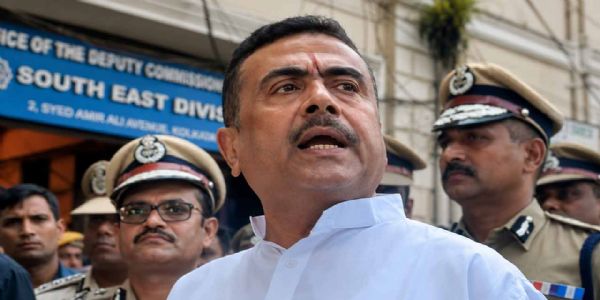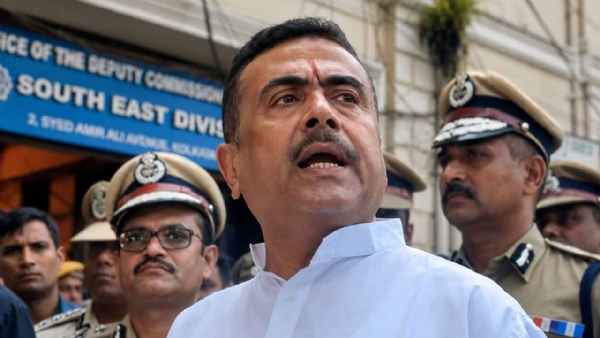
Kolkata, 18 May (H.S.): In a major policy decision after the change of power in West Bengal, the newly formed BJP government on Monday announced that all religion-based welfare schemes in the state will be discontinued from June. The decision was taken during the second cabinet meeting of the new government held at Nabanna under the leadership of Chief Minister Suvendu Adhikari.
Addressing a press conference after the meeting, Women and Child Development Minister Agnimitra Paul said that all assistance schemes run by the Information and Cultural Affairs Department and the Minority Affairs and Madrasah Education Department on the basis of religion would be stopped from next month.
She said beneficiaries would continue to receive assistance for the month of May, but the schemes would be completely discontinued from June onward. The government is expected to issue a detailed notification regarding the decision shortly. However, the minister clarified that no decision has yet been taken regarding grants provided to Durga Puja committees.
The move is being seen as one of the biggest policy decisions taken by the BJP government within days of assuming office in the state. During the Assembly election campaign, the BJP repeatedly accused the previous Trinamool Congress government of “appeasement politics” and raised the slogan “Bhata Noy, Bhat Chai”, stressing employment and livelihood over financial doles.
Political observers believe the decision is likely to affect several high-profile welfare schemes introduced during the tenure of former Chief Minister Mamata Banerjee, including monthly stipends paid to Imams, Muezzins and Hindu priests.
Under the previous scheme structure, Imams received a monthly allowance of Rs 3,000, while Muezzins and Hindu Sanatan Brahmin priests received Rs 1,500 each per month. Economically weaker beneficiaries were also eligible for housing support under the Banglar Awas Yojana.
The policy traces its origins to April 2012, when the Mamata Banerjee-led government introduced monthly honorariums exclusively for Imams and Muezzins. The move later triggered political controversy and legal challenges.
In September 2013, Calcutta High Court struck down the system of direct government payments to Muslim clerics, observing that taxpayer money could not be used in a discriminatory manner for a particular religious community. Following the order, the state government rerouted the stipends through the West Bengal Wakf Board.
Amid continued criticism from opposition parties, particularly the BJP, over alleged minority appeasement, the Trinamool Congress government later expanded the scheme in September 2020 to include poor Hindu priests through a separate monthly allowance programme.
The BJP leadership has consistently argued that religion-based financial assistance schemes placed pressure on the state’s economy and promoted discriminatory governance. Monday’s cabinet decision is being viewed as part of the new government’s broader administrative and fiscal restructuring agenda aimed at what it describes as “non-discriminatory governance”.
According to government officials, the new administration now intends to focus on employment generation, infrastructure development and broader welfare programmes not linked to religious identity.
Hindusthan Samachar / Satya Prakash Singh