Guwahati, 14 May (HS): Under the Central Government’s “Act East, Act First” policy, the northeastern states are witnessing rapid development, which is expected to transform the region into a major engine of India’s growth in the coming years. The development of Guwahati, often referred to as the gateway to Northeast India, will not only pave the way for the progress of the entire northeastern region but also open new avenues of trade with ASEAN countries. The Guwahati Ring Road project is set to play a crucial role in the development of this strategically important city.
The ambitious Guwahati Ring Road project, estimated at over ₹5,700 crore, is expected to significantly ease traffic congestion in the city while strengthening road connectivity across the Northeast region. The large-scale infrastructure initiative aims to divert heavy vehicular movement away from the crowded city centre and improve transport efficiency on the East-West Corridor along National Highway-27.
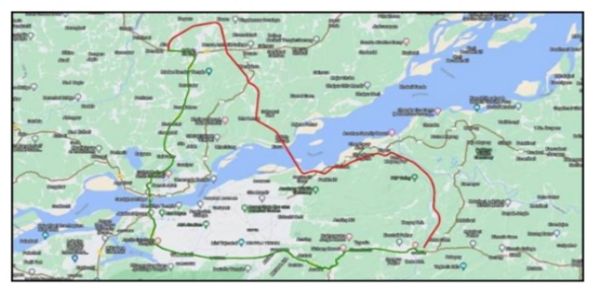
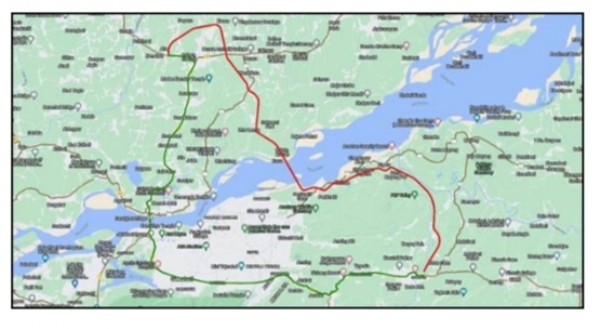
The project, awarded to Dineshchandra R Agrawal Infracon Pvt. Ltd. on a Build-Operate-Transfer (BOT) toll basis, will cover a total stretch of around 121 kilometres. A major portion of the scheme includes the construction of a 55.54-km greenfield Northern Bypass connecting Baihata Chariali and Sonapur.
One of the key highlights of the project is a proposed six-lane bridge over the Brahmaputra River between Kurua and Narengi. The bridge, spanning nearly three kilometres, is expected to provide faster movement of goods and passenger vehicles while reducing pressure on existing routes within Guwahati.
Apart from the bypass and bridge construction, the plan also includes widening parts of the existing NH-27 corridor. Officials believe the project will improve connectivity to important destinations such as Silchar, Shillong and Upper Assam, besides boosting trade, logistics and economic activities across the region.
Environmental clearance for diversion of forest land has already been granted with specific conditions aimed at protecting elephant corridors. As part of the mitigation measures, an elevated road section has been proposed between Basistha and Jorabat to minimise the impact on wildlife movement.
Construction activities have been going on after the 2025 monsoon season, while the entire project is expected to be completed in phases between 2027 and 2030. The infrastructure corridor has been planned under a 30-year concession model, including four years earmarked for construction work.-------------
Hindusthan Samachar / Sriprakash

14 May 2026