New Delhi, 01 April (H.S.):
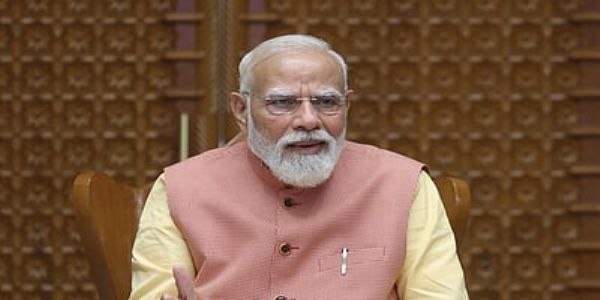
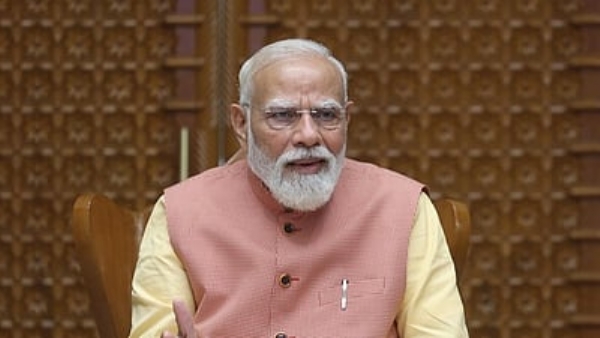
Prime Minister Narendra Modi has chaired a high‑level meeting of the Cabinet Committee on Security (CCS) to review India’s preparedness and the domestic fallout of the ongoing conflict between the United States, Israel and Iran in West Asia. This is the second CCS meeting convened by the Prime Minister since the war erupted on 28 February, the first having been held on 22 March to assess the emerging security and economic implications of the hostilities.
The top‑level security review today focused on the impact of the conflict on energy and fuel supplies, the stability of international supply chains, and the government’s strategy to minimise disruptions to essential commodities and public services. The Prime Minister is understood to have directed all ministries and departments to work in close coordination, with a “whole‑of‑government” approach, to ensure that ordinary citizens face the least possible inconvenience.
The CCS meeting was attended by key Union ministers including Rajnath Singh, Amit Shah, S. Jaishankar, Nirmala Sitharaman, Piyush Goyal, Shivraj Singh Chouhan, J.P. Nadda, Ashwini Vaishnav, Manohar Lal Khattar, Pralhad Joshi, K. Rammohan Naidu and Hardeep Singh Puri. The National Security Adviser, Ajit Doval, the Prime Minister’s principal secretaries, and the Cabinet Secretary, T.V. Somanathan, also participated, underscoring the multi‑dimensional nature of the crisis.
Officials briefed the committee on the status of crude oil, natural gas and petroleum‑product arrivals, the health of power and fertiliser sectors, and the potential impact on agriculture, food security, exports, shipping and logistics. The government had earlier formed focused groups of ministers and secretaries to monitor these sectors on an ongoing basis and propose both immediate and medium‑term countermeasures.
The conflict in West Asia, particularly in the Gulf region, has already triggered a global energy and freight‑cost shock, with major choke‑points such as the Strait of Hormuz witnessing heightened military activity and, at times, restricted tanker traffic. India, heavily dependent on imported oil and gas, has been taking steps to diversify sources, maintain adequate strategic stockpiles and stabilise domestic prices.
The CCS reviewed measures such as ensuring continued availability of fertilisers for farmers, rerouting shipments through alternate corridors, and engaging with key global partners to secure stable supplies. The Prime Minister emphasised that the war is an evolving and long‑drawn situation, and its effects will be felt in the short, medium and long term on the Indian economy.
Earlier, during his monthly radio address ‘Mann Ki Baat’, the Prime Minister described the regional war as a “fierce and challenging” situation that demanded national unity and caution. He urged citizens to avoid self‑serving politics and the spread of rumours, warning that misinformation could amplify the crisis and deepen public anxiety.
On 22 March, when he chaired the first CCS review after the conflict began, the Prime Minister had directed officials to safeguard citizens from the shock of the West Asia war. That meeting, too, dwelled extensively on the availability of food, fuel, power and fertilisers, and the need to protect vulnerable sections from price spikes and supply disruptions.
The recurring CCS meetings signal that the government is treating the West Asia conflict not only as a security and foreign‑policy challenge, but also as a key macro‑economic risk that could affect inflation, the trade balance, corporate earnings and employment. At the same time, the Prime Minister has sought to project a message of calm management and informed preparedness, underscoring that India is making continuous efforts to navigate the turbulence in global supply chains and energy markets.
With the conflict in its fourth week and no clear end in sight, the latest CCS review is expected to feed into the Cabinet’s broader discussions on domestic pricing, subsidy structures, export–import policy adjustments and long‑term energy‑mix planning, as India seeks to insulate its economy while maintaining its commitments to regional and strategic partners.
---------------
Hindusthan Samachar / Jun Sarkar