




Jerusalem, 13 March (H.S.):
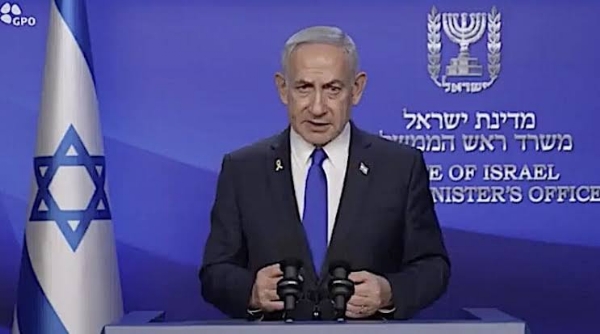
Israeli Prime Minister Benjamin Netanyahu announced that Israeli airstrikes have eliminated a leading Iranian nuclear scientist while wounding several others, marking a significant blow to Tehran's atomic ambitions during the intensifying conflict with the United States and Israel.
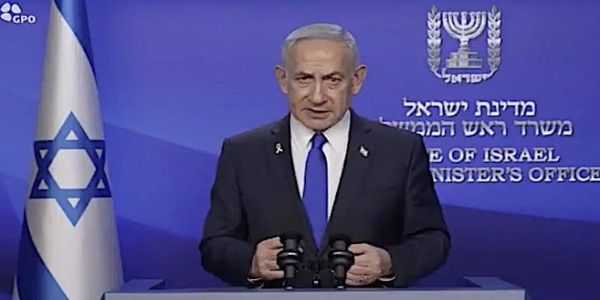
Netanyahu's revelation came during a late Thursday press conference, where he lambasted Iran's newly installed Supreme Leader Ayatollah Mojtaba Khamenei as a puppet of the Revolutionary Guards unfit for public appearances. He urged the Iranian populace to seize a new path of freedom, positioning Israel as their ally in potential regime change.
In a defiant counterpoint, Khamenei—suspected by Israel to have sustained injuries in initial strikes—issued his inaugural public statement via state television. The 56-year-old successor to his father, Ayatollah Ali Khamenei (killed in an Israeli attack), pledged unrelenting assaults on Gulf Arab states and vowed to exploit the effective shutdown of the Strait of Hormuz to coerce U.S. and Israeli concessions.
The conflict, ignited on February 28, has seen U.S. and Israeli forces pulverize over 6,000 Iranian targets, including more than 30 minelaying ships, yet failed to dislodge the regime—a goal occasionally voiced by President Donald Trump.
Oil prices have rocketed, with Brent crude surging 9% to exceed $100 per barrel on Friday, up 38% since hostilities erupted, as Iran chokes the vital waterway carrying one-fifth of global traded oil.
U.S. operations suffered a fresh setback Thursday when a KC-135 refueling aircraft crashed in western Iraq during Operation Epic Fury, the fourth such loss after three F-15 jets fell to friendly fire over Kuwait early in the war. Rescue efforts continue for the crew of at least five, with no confirmed fatalities; a second plane landed safely, and the incident stemmed from neither hostile nor friendly fire.
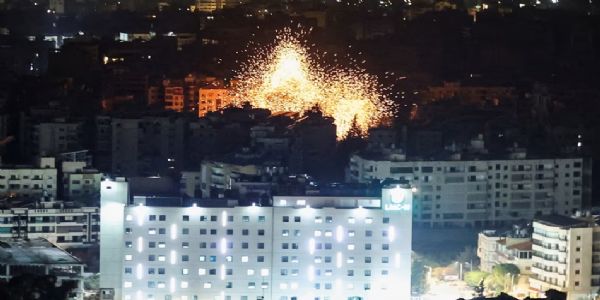
Hezbollah, backed by Iran, unleashed 200 rockets from Lebanon into northern Israel, prompting Israeli reprisals in Beirut that killed 11 and targeted a Hezbollah facility near parliament and embassies. Israel's military expanded evacuation orders across southern Lebanon and confirmed recent strikes on a rebuilt Iranian nuclear site, first demolished in October 2024.
Humanitarian fallout worsens: Up to 3.2 million Iranians are displaced, mostly fleeing Tehran northward, while Lebanon hosts 800,000 internal refugees, stoking crisis fears. U.N. chief António Guterres decried the suffering of the vulnerable and implored de-escalation.
Khamenei echoed his father's hardline tactics, demanding Gulf states expel U.S. bases and hinting at novel fronts exploiting enemy vulnerabilities—possibly global attacks on U.S., Israeli, or Jewish assets. Drone strikes wounded U.S. personnel in Iraq's Erbil and rippled across Bahrain, Kuwait, Dubai, and Saudi Arabia.
Netanyahu touted the scientist's death as pivotal to dismantling Iran's nuclear program, which Israel and the U.S. deem weapons-oriented despite Tehran's denials. Trump prioritized nuclear denial over oil shocks, vowing to finish the job despite claiming Iran virtually destroyed.
As Hezbollah defies Lebanon's disarmament pleas and Iran eyes economic warfare, the Strait of Hormuz remains a chokepoint flashpoint, with an India-bound tanker barely navigating its perils amid minelayers and threats.
---------------
Hindusthan Samachar / Jun Sarkar
13 Mar 2026
Iranian Nuclear Setback: Netanyahu Confirms Assassination of Top Scientist Amid Escalating War
13 Mar 2026
