




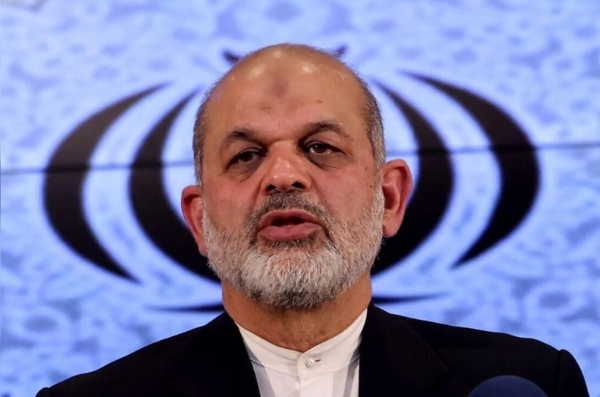
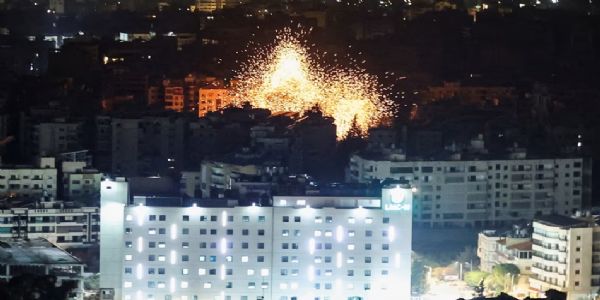
Tehran, 13 March (H.S.): As the war between the United States–Israel and Iran enters its 14th day, Tehran has issued a stark warning that any strike on its energy infrastructure or ports will trigger massive retaliation against oil and gas facilities across the region.
According to statements carried by Iranian state media, the Islamic Revolutionary Guard Corps (IRGC), Iran’s most powerful military force, declared that if Iran’s energy installations and ports come under attack, it will target and set ablaze oil and gas infrastructure throughout the Middle East.
This escalatory threat has heightened fears for the vast oil and gas reserves concentrated around the Gulf, a region already on edge amid ongoing hostilities.
The IRGC warning followed remarks at the United Nations by Iran’s ambassador, who said Tehran would not close the Strait of Hormuz, a vital chokepoint for global energy supplies. His comments contrasted with those of Iran’s new Supreme Leader, Ayatollah Mojtaba Khamenei, who, in his first public message since assuming power, said the waterway would remain a “weapon of pressure” and that the leverage of blocking the strait “must definitely be used.”
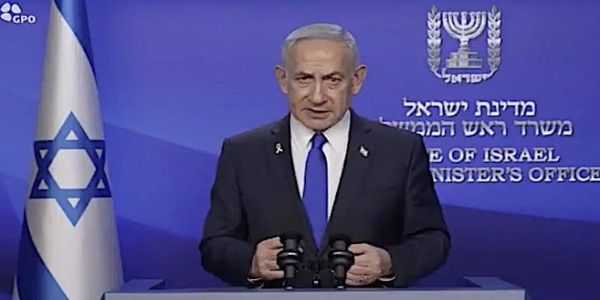
Israeli Prime Minister Benjamin Netanyahu further inflamed tensions on Thursday, claiming that Ayatollah Mojtaba Khamenei cannot show his face in public because he was severely injured in the February 28 attacks.
Notably, Khamenei’s recent statement was read by another person on state television, and his face was not shown, fueling speculation about his condition.The IRGC’s role underscores the gravity of its latest threat. Formed after the 1979 Islamic Revolution to safeguard the Islamic system, the IRGC is considered the most powerful and elite branch of Iran’s armed forces and wields significant influence over the country’s politics, economy, and foreign policy.
Iran maintains two main military structures: the regular army, or Artesh, which primarily guards the borders, and the IRGC, which is charged with protecting the ruling system and the revolution itself.
The IRGC answers directly to the Supreme Leader rather than the elected government, and commands its own ground, naval, and air forces.Within the IRGC, two key special units stand out: the Quds Force and the Basij.
The Quds Force oversees overseas operations and support for allied militias such as Hezbollah and Hamas, while the Basij is a paramilitary volunteer force used to suppress domestic protests and maintain internal security. Reflecting mounting international concern, the European Union formally designated the IRGC a terrorist organisation on January 29, 2026, joining the United States and several allies that had already blacklisted the group.
---------------
Hindusthan Samachar / Jun Sarkar
13 Mar 2026
Iranian Nuclear Setback: Netanyahu Confirms Assassination of Top Scientist Amid Escalating War
13 Mar 2026
