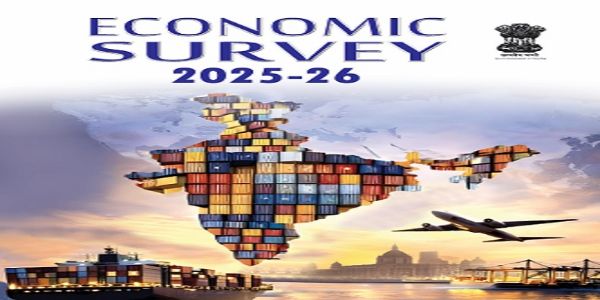
New Delhi, 29 January (H.S.): The Economic Survey 2025-26, tabled in Parliament on Thursday, reveals significant poverty reduction and improved income distribution due to targeted welfare measures by the Central government. The fastest consumption expenditure growth occurred among the bottom 5-10 percent of the population in both rural and urban areas.
Finance Minister Nirmala Sitharaman presented the Economic Survey 2025-26 in the Lok Sabha. Between fiscal years 2022-23 and 2023-24, average monthly per capita expenditure (MPCE) saw the largest increase among the lowest 5-10 percent population segments across rural and urban regions, reflecting the positive impact of government policies.
The survey credits government measures with successfully extricating vulnerable groups from the poverty trap, as evidenced across various poverty alleviation initiatives. Policies have exerted a substantial influence on income distribution, primarily through subsidies, pensions, direct benefit transfers, and public expenditure on education and health services.
The Economic Survey 2025-26 advocates revitalizing rural economies while preserving environment, culture, and traditions through local opportunities and innovation to promote inclusive growth. It underscores the need to empower rural communities to acquire new skills, secure livelihoods, maintain health and economic stability, restore domestic harmony, access modern education, and preserve cultural heritage, community bonds, and ecology—all via community participation.
Additionally, the survey calls for continuous technology-driven surveys to enable data-based, targeted interventions for sustained social development.
---------------
Hindusthan Samachar / Jun Sarkar