
#By Dr R B Chaudhary
As of December 17, 2025, microchip implantation for stray animals, primarily dogs, remains in early or pilot stages across India, with no nationwide mandatory programme for strays under the Animal Welfare Board of India (AWBI) guidelines, which focus on Animal Birth Control (ABC) rules emphasising sterilisation and vaccination.
Delhi plans to microchip approximately 1 million strays over two years in collaboration with UNDP; Pune has launched a pilot for 600 dogs; Bengaluru is preparing tenders following a 500-dog pilot; Chennai integrates it into ABC for community dogs (over 12,000 fitted). Other cities like Mumbai and Hyderabad show limited activity, while most states lack dedicated statewide programmes, relying on municipal efforts for rabies control and population management.
The Greater Chennai Corporation (GCC) has advanced microchipping as part of its rabies elimination and stray dog management strategy. A 2024 census identified 180,157 stray dogs, prompting integration of microchipping with QR-coded collars during ABC procedures at five centres, with over 12,255 strays fitted by September 2025.
Mandatory for pet dogs since October 2025, nearly 100,000 pets registered by December, with over 60,000 microchipped and licensed amid enforcement drives and camps. Ten new ABC centres are planned to enhance capacity, supporting humane tracking for vaccination, sterilisation, and abandonment prevention.
The management of stray animals, particularly dogs, in urban India represents a complex interplay of public health, animal welfare, and municipal governance. Municipal corporations and municipalities are increasingly adopting microchipping technology as a tool to address the challenges posed by stray populations, with a primary focus on preventing rabies—a disease that claims thousands of lives annually in the country.
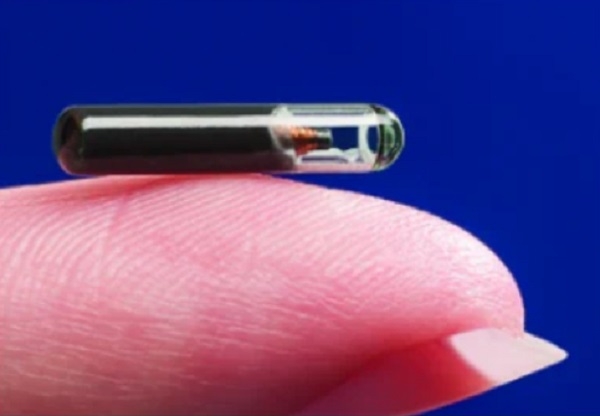
Microchipping involves implanting a small radio-frequency identification (RFID) device, approximately the size of a rice grain, under the animal's skin, typically between the shoulder blades. This passive RFID tag contains a unique 15-digit identification number that can be scanned using a handheld reader.
The technology requires no internal power source; it activates only when scanned, transmitting the stored data via radio waves. In stray animal care, microchips store critical information such as vaccination history, sterilisation status, age, location, and health records. This enables authorities to monitor individual animals without relying on external markers like collars, which can be lost.
For population and health management, microchipping facilitates accurate tracking during Animal Birth Control (ABC) programmes. Municipal teams can verify if a captured dog has already been sterilised or vaccinated, preventing redundant procedures and ensuring comprehensive coverage. It supports the creation of digital databases for census, monitoring rabies vaccination rates, and identifying high-risk areas. Recent initiatives in cities like Delhi, Pune, and Chennai demonstrate its integration with ABC efforts to achieve targets such as 70-90% sterilisation and vaccination coverage, essential for herd immunity against rabies.
The potential impact of widespread microchipping is substantial. It enhances rabies prevention by ensuring traceable vaccination records, reducing duplicate efforts, and enabling targeted interventions. In urban zones, stray animals contribute to public health risks, including over 3.7 million reported dog bites in 2024, with rabies causing an estimated 18,000-20,000 deaths annually, predominantly from stray dog transmissions.
Stray cattle and monkeys exacerbate traffic accidents, crop damage in peri-urban areas, and sanitation issues, hindering Smart City initiatives through disrupted waste management and public safety. Microchipping, combined with sterilisation, could stabilise populations, minimise human-animal conflicts, and support cleaner, safer urban environments.
India's stray animal population remains a significant challenge. Estimates indicate approximately 62-65 million stray dogs nationwide, with urban concentrations in cities like Chennai (180,000 as per 2024 census) and Delhi (estimated 600,000-1 million). Stray cattle number around 5-10 million in key states, while monkeys and other species add to urban nuisances. Predominantly indigenous breeds dominate stray dogs, with mixed breeds common due to uncontrolled reproduction.
Central government policies emphasise humane management. The Animal Birth Control Rules, 2023, notified under the Prevention of Cruelty to Animals Act, 1960, mandate the Catch-Neuter-Vaccinate-Release (CNVR) approach, prohibiting culling of healthy strays and requiring collaboration with recognised animal welfare organisations.
The Animal Welfare Board of India (AWBI) oversees ABC programmes, providing guidelines for sterilisation, vaccination, and designated feeding zones. The National Action Plan for Dog-Mediated Rabies Elimination by 2030 (NAPRE) integrates human and animal health components, supporting mass vaccination and population control.
The Supreme Court has played a pivotal role in shaping policy. In August 2025 orders, it mandated sterilisation, vaccination, and release of non-aggressive, non-rabid dogs to their original locations, while prohibiting indiscriminate public feeding and requiring designated zones. Aggressive or rabid animals must be sheltered separately. These directives align with ABC Rules, emphasising humane treatment while addressing public safety.
Latest research underscores microchipping's efficacy in population management. Studies highlight its role in improving reclaim rates, monitoring health, and supporting CNVR programmes. Pilot projects in India and global models (e.g., Bhutan achieving near-100% coverage) show reduced rabies transmission and stabilised populations through integrated microchipping and vaccination.
Chennai Municipal Corporation provides a leading example. A 2024 census identified 180,000 stray dogs, prompting mandatory microchipping for pets and strays, alongside expanded ABC centres (targeting 30 surgeries daily per facility). By mid-2025, microchipping and vaccination drives were underway, with QR-coded collars for additional tracking. This ambitious project aims for a rabies-free city, supported by door-to-door enforcement and fines for non-compliance.
Public opinion is divided: residents in bite-prone areas view microchipping as essential for safety, while animal lovers praise its humane tracking benefits. Experts, including veterinarians and welfare organisations, endorse it as a complement to ABC, cautioning that success depends on infrastructure, funding, and community education. Critics note implementation challenges but agree it outperforms outdated methods.
In conclusion, microchipping under municipal oversight offers a scientific, humane pathway to manage stray populations and eradicate rabies. Sustained investment in technology, policy enforcement, and public awareness will determine its transformative potential for India's urban landscapes.
(#Author is Associated with Hindusthan Samachar as a Representative of Tamilnadu State)
---------------
Hindusthan Samachar / Dr. R. B. Chaudhary