Government to develop cold chain network; surplus food from hotels and social events to be distributed after safety checks
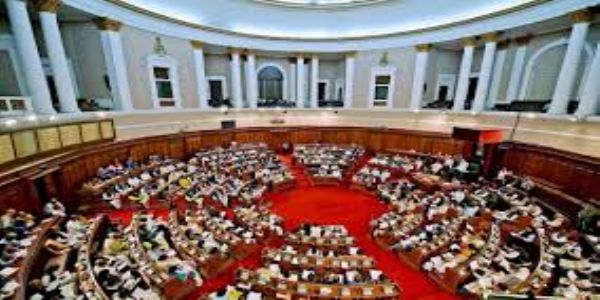
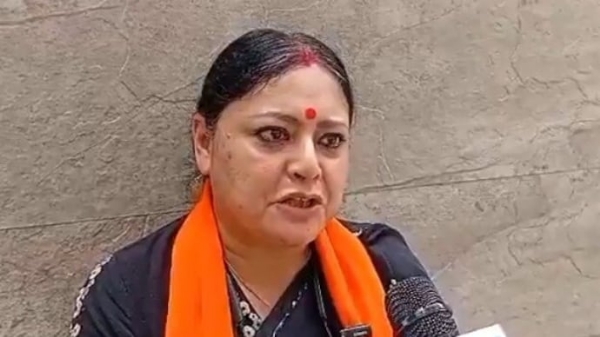
Kolkata, 24 July (H.S.): The West Bengal government has announced two major initiatives to improve its subsidised 'Maa Aahar' scheme for the poor and curb food wastage across urban areas. Speaking during the discussion on the Urban Development and Municipal Affairs Department's budget in the Assembly on Friday, Urban Development and Municipal Affairs Minister Agnimitra Pal said beneficiaries at Maa Aahar centres will soon be able to dine in restaurant-style seating arrangements without paying any additional charges.
The minister informed the House that 390 Maa Aahar centres are currently operational across the state, providing subsidised meals to people. She said the government has been continuously upgrading the facilities at these centres and now offers meals, including fish and rice, priced between Rs 5 and Rs 15.
Pal said nearly 100 Maa Aahar centres are functioning in the vicinity of government hospitals, serving around 85,000 people every day, including patients' relatives, commuters and economically weaker sections. Under the new initiative, beneficiaries will no longer have to stand on roadsides or carry packed meals, but will be able to sit and eat comfortably at the centres.
Surplus food from hotels, restaurants and events to reach the needy
The minister also announced a new food redistribution initiative aimed at preventing food wastage. Surplus edible food from hotels, restaurants, wedding ceremonies and other social functions will no longer be discarded. Instead, municipal authorities will collect the food and preserve it through a dedicated cold chain system.
She said food safety officials will inspect the collected food the following day. After meeting prescribed food safety standards, the surplus food will be distributed among needy people, particularly in areas around temples and other locations where vulnerable sections of society can be reached.
Pal added that the state government will develop a dedicated cold chain infrastructure to ensure the food remains safe and maintains its quality. She said the objective of the initiative is not only to reduce food wastage but also to ensure that nutritious and safe food reaches those in need. Both initiatives will be implemented across the state in a phased manner.
Hindusthan Samachar / Satya Prakash Singh