Bengaluru, 24 July (H.S.):
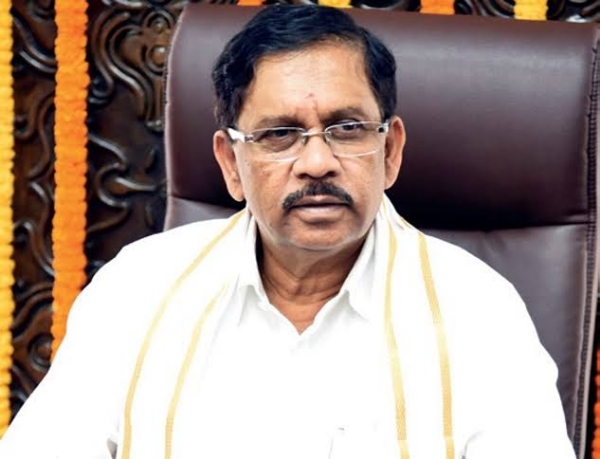
Karnataka Deputy Chief Minister G. Parameshwara has urged Prime Minister Narendra Modi to roll back the National Eligibility-cum-Entrance Test (NEET) and restore transparent, merit-based Common Entrance Tests (CETs) conducted by individual States for medical admissions, arguing that such a move would uphold India's federal structure and address growing concerns over the credibility of the examination system.
In a letter to the Prime Minister, copies of which were released to the media on Thursday, Dr. Parameshwara said repeated controversies surrounding NEET, including the paper leak scandal and allegations of systemic failures, had severely undermined public confidence in the country's education system. He said there was widespread anxiety among students, parents, educators and employers over the declining credibility of competitive examinations and the quality of higher education.
The Deputy Chief Minister appealed to the Centre to provide compensation of at least ₹1 crore to the families of students who allegedly died by suicide in the aftermath of the NEET paper leak and related institutional failures. He also sought adequate compensation for students and citizens who sustained injuries during police action, including lathi-charge and tear gas shelling, while participating in protests against the examination.
Calling for accountability, Dr. Parameshwara urged the Prime Minister to order an impartial inquiry into the incidents and ensure strict action against those responsible for the use of force against peaceful demonstrators. He also called for a meaningful dialogue with students, educators, academic institutions and other stakeholders to undertake comprehensive reforms to the examination system.
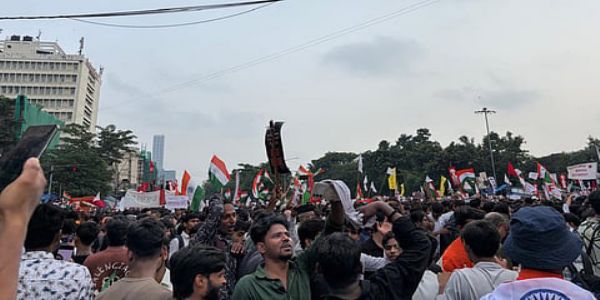
Expressing concern over the handling of student protests, Dr. Parameshwara said images of students being dispersed through police action had deeply disturbed citizens across the country. He also referred to the response to environmental activist Sonam Wangchuk's peaceful hunger strike, saying it had reinforced concerns that democratic dissent was increasingly being treated as an inconvenience rather than an essential part of public discourse.
He warned that every paper leak, institutional failure and unanswered question further erodes trust in India's education system and weakens the country's global academic reputation.
---------------
Hindusthan Samachar / Arun Lakshman
24 Jul 2026
BJP MLAs to Undergo Performance Review; CM Suvendu Adhikari to Hold Special Strategy Session
24 Jul 2026
No Government Remains in Power Forever; Every Regime Faces Criticism One Day: Firhad Hakim
24 Jul 2026