Nagpur, 04 June (HS): Growing turnout for training in bamboo cultivation and
artistry and rising demand for bamboo saplings spells out higher returns with
less investment. The Bamboo Research and Training Centre (BRTC) at Chichpalli
in Mahashtra’s Chandrapur district gets farmers from across the state for
short-term training in bamboo cultivation and also training in bamboo art.
Besides the traditional artists in basketry, those using
bamboo in making decorative material, construction and interior designers are
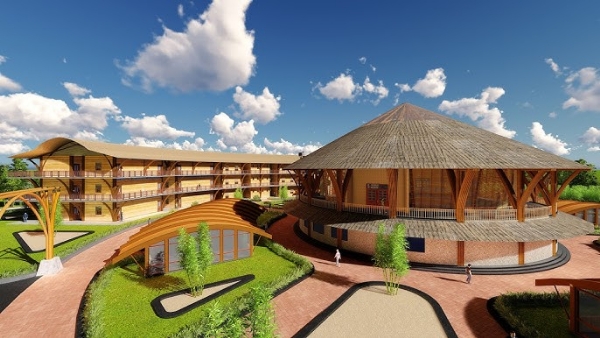
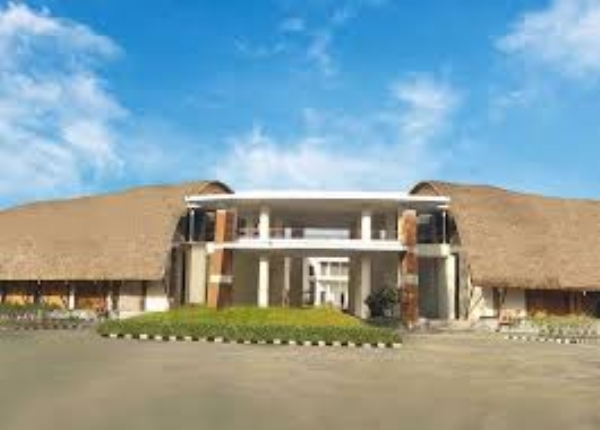
attracted towards BRTC. The Centre itself has been constructed using bamboo and
is an attraction for the visitors.
According to Training Programme Coordinator Pravin
Shivankar over 12 training programmes are conducted every year. Recently the
BRTC imparted training to 100 women from families affected due to growing
mining operations in Chandrapur district, which is rich in coal and minerals.
Training to 200 farmers was also conducted.
GOVERNMENT SUPPORT:
BRTC is the only centre in Maharashtra for promotion,
research and development of bamboo. The Centre plans its programme based on the
guidelines of the National Bamboo Mission and Maharashtra Bamboo Development
Board. The bamboo growers are also supported under SFURTI (Scheme for
Regeneration of Traditional Industries) of the Ministry of MSME.
The scheme has three primary interventions –
1. Soft interventions, including skill training,
capacity building, design development and market promotion.
2. Hard Intervention includes covers the creation of
Common Facility Centres (CFS), raw material banks, and advanced production
equipment.
3. Thematic Interventions focusses on brand building,
e-commerce integration, and packaging to boost sales.
BRTC has collected 92 species of bamboo and develops
saplings in its nursery depending upon the demand from bamboo growers.
Chandrapur district itself has four sales depots
including one at the railway station, where artistic decorative material and
basketry is made available for the prospective buyers and generating awareness.
In Maharashtra ‘Burad’ community was traditionally
engaged in basketry making. Their products were limited to those used in
routine life. With the skill development programmes the art is not restricted
to the Burad community. At the same time many alternatives to traditionally
used goods are available.
BAMBOO IN INDIA
India is second largest producers in the world, with
major growers in the north-eastern states of Assam, Arunachal Pradesh, Mizoram
and Nagaland, and parts of Madhya Pradesh, Chhattisgarh and Maharashtra in
Central India.
BRTC is the first research and development centre
developed in Chichpalli of Chandrapur district. It was established on December
4, 2014 with skill training leading to Diploma and Bachelor’s Technology
courses. Vocational training in handicraft, furniture making, basketry and
construction work is imparted under the courses conducted at the Centre. A
formal training to farmers in bamboo cultivation is also conducted by the
Centre.
Major bamboo producing regions in Maharashtra are
coastal Konkan and forest rich Vidarbha’s Amravati, Bhandara, Chandrapur
districts; and Marathwada’s Jalna district.
CROP AND BENEFITS
Full grown bamboo crop is ready for harvest in 3 to 5
years. It grows with minimal water and the plant growth is faster. The initial
investment relates to the land development, drip irrigation is about Rs 50,000
per acre. The annual yield is estimated to be 10 to 15 tonnes per acre. The
income from one acre is between 1.50 to 2.50 lakh rupees. The other benefits
are that the stem (culm) lives for 10 to 15 years and the rhizome for 40 to 50
years. With the development of inflorescence after 40 to 50 years, the plant
dies its natural death. The seeds dispersed again develops into the bamboo
forest.
Bamboo, which belongs to grass family (creeper), has
been recognised as tree due to its height and vertical growth. Only one specie
grown in Arunachal Pradesh is creeper and mainly used in furniture making and
basketry.
The Union Government has also launched Atal Bamboo
Samruddhi Yojana and included bamboo under Mahatma Gandhi National Rural
Employment Guarantee Scheme. The Maharashtra Government has drafted a separate
Bamboo Industry Police for promotion of bamboo.
With the systematic promotion, development and training
by the government bamboo cultivation and use in different sectors is a major
attraction among the farmers, artisans and designers.
---------------
Hindusthan Samachar / Ajay Vasant Mardikar
04 Jun 2026