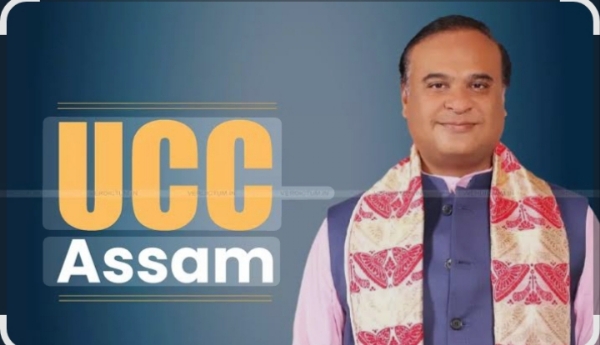
Guwahati, 29 May (HS): The passage of the Uniform Civil Code (UCC), Assam, Bill, 2026 by the Assam Legislative Assembly is expected to have far-reaching social, legal and administrative implications across the state once the legislation receives constitutional assent and comes into force.
The proposed law is being viewed as one of the most significant civil law reforms undertaken in Assam in recent decades. Supporters of the legislation believe the Uniform Civil Code could strengthen gender justice, improve legal transparency and establish a more standardised civil framework governing marriage, divorce and family-related matters.
One of the biggest anticipated impacts of the legislation is on women’s rights and legal protection. By enforcing monogamy and mandating compulsory registration of marriages and divorces, the government argues that women will receive stronger legal safeguards in cases involving marital disputes, abandonment, inheritance and maintenance claims. Legal documentation is also expected to reduce instances of unregistered marriages and related exploitation.
The mandatory registration of live-in relationships is likely to create a new legal framework for recognising such relationships in the state. Supporters say the provision may help protect the rights of women and children in live-in arrangements, while critics argue it could raise concerns regarding privacy and state oversight in personal relationships.
Administrative systems across Assam are also expected to undergo substantial changes following implementation of the law. The government may need to establish dedicated registration mechanisms, digital databases, verification systems and grievance redressal procedures to handle marriage, divorce and live-in relationship registrations across districts and rural areas.
The legislation is also expected to generate legal and constitutional discussions, particularly regarding the balance between uniform civil laws and protection of cultural diversity. Although Scheduled Tribes and Adivasi communities have been exempted from the scope of the Act, experts believe debates may continue over the extent of exemptions and the future interpretation of customary laws.
Political analysts believe the Assam legislation could influence the broader national conversation surrounding the implementation of a Uniform Civil Code in India. The move is likely to become a major political and ideological issue ahead of future elections, with supporters presenting it as a step towards equality before law and opponents viewing it as a sensitive intervention in personal and community practices.
The business and legal sectors may also witness indirect effects. Lawyers, family courts, registration offices and local administrative bodies are expected to experience increased workload during the initial implementation phase. At the same time, digitisation of civil records could improve long-term governance efficiency and reduce legal ambiguities in family disputes.
Chief Minister Dr. Himanta Biswa Sarma has maintained that the legislation is aimed at ensuring social justice, transparency and equal rights while preserving the constitutional protections granted to indigenous and tribal communities.
The Bill is currently awaiting assent from the Governor of Assam and the President of India before it officially becomes law. Once approved, the Assam government is expected to frame detailed rules and implementation procedures for enforcement across the state.-----------
Hindusthan Samachar / Sriprakash
29 May 2026