Lucknow, 10 May
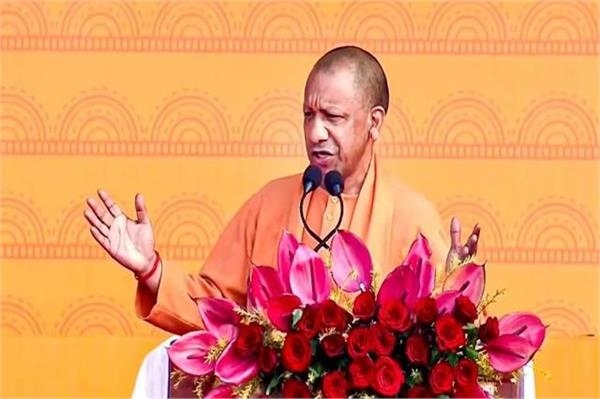
(HS): On Sunday, Chief Minister Yogi Adityanath is expanding his Cabinet at Lok
Bhavan in Lucknow ahead of the Uttar Pradesh Assembly elections next year, swearing
in six new ministers. Six vacant cabinet roles have already been filled. This
time, the emphasis has been on maintaining social and caste equilibrium, rather
than on experimenting. The Bharatiya Janata Party (BJP) is developing a plan to
incorporate the Brahmin, Jat, Dalit, Pasi, Valmiki, Lodh, and other backward
communities.
According to sources, Chief Minister Yogi Adityanath met with possible
candidates late into the night to finalize the list. Somendra Tomar and Ajit
Pal, ministers of state, have been elevated. Tomar, from western Uttar Pradesh,
might be given Cabinet or independent responsibility, while Ajit Pal is
anticipated to be handed more duties.
Kailash Rajput
from Tirwa in Kannauj and Surendra Dilher from Khair in Aligarh are among the
newly appointed ministers. Dilher, a famous Dalit leader from the Valmiki
group, is supposed to represent the party's outreach to Dalit voters, whilst
Rajput's participation is intended to boost support among the Lodh community.
Manoj Pandey, MLA from Unchahar in Raebareli, is among the most talked-about
candidates, and his entry is nearly probable. Pandey, a former close aide to
Samajwadi Party president Akhilesh Yadav and former minister in the SP cabinet,
joined the BJP ahead of the Lok Sabha elections. He is being portrayed as a key
Brahmin figure for the party, having won the Unchahar seat in 2012 and 2017.
Bhupendra Singh
Chaudhary is a notable Jat leader from Western Uttar Pradesh. Chaudhary began
his political career with the RSS before joining the BJP in 1989. He has held
many organizational positions, including Uttar Pradesh BJP president, and
previously served as a Panchayati Raj minister in the Yogi administration.
Krishna Paswan of Khaga, Fatehpur, is a notable Dalit leader from the Pasi
caste. She has won several elections and is regarded as part of the BJP's
efforts to maintain its Dalit voter base.
Hansraj Vishwakarma, a Varanasi-based MLC, is a prominent leader in the
Vishwakarma community. He is considered close to Prime Minister Narendra Modi.
His participation is likely to boost the BJP's appeal to non-Yadav OBC voters
in eastern Uttar Pradesh.
The Uttar Pradesh
Council of Ministers currently has 54 members, including Chief Minister Keshav
Prasad Maurya and Deputy Chief Minister Brajesh Pathak. The state allows for a
maximum of sixty ministers. The expansion is viewed as a critical political
statement ahead of the 2027 Assembly elections, with the BJP focussing on
balancing caste representation among major socio-economic groups.
Hindusthan Samachar / Abhishek Awasthi

13 May 2026