New Delhi, 02 April (HS):
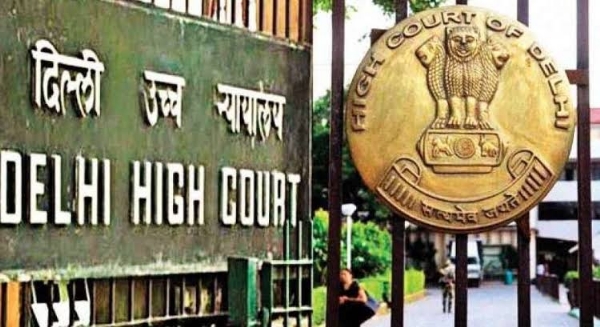
The Delhi High Court has granted the Enforcement Directorate (ED) a final opportunity to respond on its plea challenging the Rouse Avenue Court’s order acquitting 23 accused, including former Chief Minister Arvind Kejriwal and former Deputy Chief Minister Manish Sisodia, in the Delhi excise‑policy‑linked scam. Justice Swarana Kanta Sharma’s bench has also given all accused a last chance to file their replies, warning that the right to reply will be forfeited if they fail to do so by the next date of hearing, which has been fixed for April 22.
During the hearing on Thursday, counsel for the accused sought additional time to file their replies, while ASG SV Raju, appearing for the ED, argued that no formal reply was required since the ED’s petition was limited to the adverse observations made by the trial court against the investigating agency.
The bench, however, reiterated that the accused would be given a final opportunity to respond; if they do not file replies, their right to do so in the future would be closed, after which the court will proceed to hear arguments.
Earlier, on March 10, the High Court had issued notices to Kejriwal and all other accused in connection with the ED’s petition and observed that the Trial Court appeared to have made general adverse remarks against the probe agency. On March 9, the same bench had stayed the adverse observations recorded by the trial court against the Central Bureau of Investigation (CBI) and directed that further proceedings in the money‑laundering aspect of the excise‑policy matter be put on hold. That order prompted the ED, too, to file its petition before the High Court challenging the acquittal and the negative remarks against the enforcement agency.
On March 9, Solicitor General Tushar Mehta, appearing for the CBI, had described the case as the “biggest scam in Delhi’s history” and contended that the trial court’s order acquitting all accused was legally flawed. On February 27, the Rouse Avenue Court had acquitted all the accused, holding that the voluminous charge sheet suffered from serious contradictions and that the facts in the document did not tally with the statements of the witnesses.
The trial court had also noted that Manish Sisodia spent nearly 530 days in jail and Arvind Kejriwal spent 156 days in two stints in custody, before being granted interim and then regular bail by the Supreme Court. ��
The ED had arrested Kejriwal on March 21, 2024, following questioning in the money‑laundering case linked to the now‑scraped Delhi excise policy. On May 10, 2024, the Supreme Court granted him interim bail until June 1, 2024, after which he surrendered on June 2. The CBI subsequently arrested him again on June 26, 2024. On May 10, 2024, the ED had filed its sixth supplementary charge sheet, naming BRS leader K. Kavita, Channpreet Singh, Damodar Sharma, Prince Kumar and Arvind Singh as accused; the court took cognizance of that charge sheet on May 29. The Supreme Court granted K. Kavita bail in both the CBI and ED matters on August 27, while Kejriwal was granted regular bail in the CBI case on September 13, 2024, after earlier interim relief from the Supreme Court on July 12, 2024, in the ED matter.
---------------
Hindusthan Samachar / Jun Sarkar
02 Apr 2026
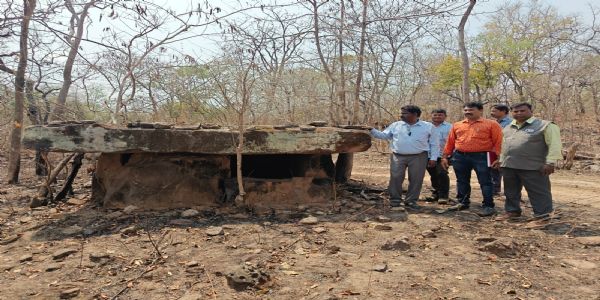
Telangana: Prehistoric Burial Sites Found in Mulugu District, Heritage Team Conducts Field Study
02 Apr 2026