New Delhi, 01 April (H.S.):
The central government has said that India has sufficient crude‑oil stock and has arranged adequate supply for the next two months, even as the geopolitical crisis in West Asia continues to roil international energy markets.
The Ministry of Petroleum and Natural Gas has also stated that domestic fuel and agriculture‑input supply chains remain fully secure, despite sharp spikes in global crude prices.
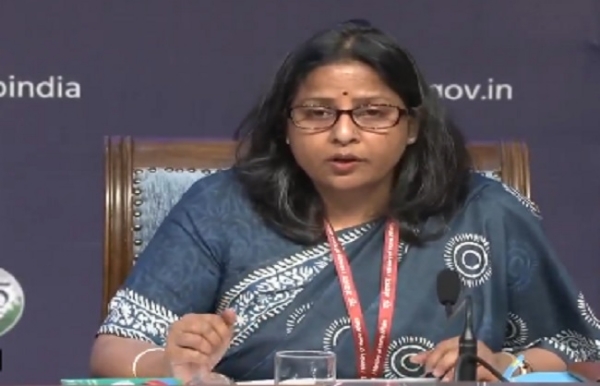
Addressing an inter‑ministerial press conference on Wednesday, Joint Secretary Sujata Sharma in the Ministry of Petroleum and Natural Gas said that the government has substantial reserves of crude oil and has pre‑booked enough crude for the coming two months to keep the system insulated from global shocks.
She added that, despite the surge in Brent crude prices prompted by the West Asia conflict, India has successfully protected its domestic fuel and fertiliser‑supply chains.
Natural Gas Supply and Network Expansion
Sujata Sharma highlighted that the government has ensured 100 per cent supply of natural gas to domestic consumers and to vehicles using compressed natural gas (CNG), underscoring that no disruption in gas supply is anticipated in the immediate term. She noted that the government has taken several key steps to expand the city‑gas and pipeline network, and around 3.25 lakh new gas connections received supply in March alone, reflecting steady growth in the availability of clean cooking and transport fuel.
Excise Cut, Stabilised Petrol–Diesel Prices
To insulate domestic consumers from fluctuations in global oil prices, Sharma explained that the government has reduced excise duties on fuel, preventing any increase in retail prices of petrol and diesel. As a result, pump prices have remained steady even as international costs have swung sharply, though state‑owned oil marketing companies are absorbing losses on both fuels.
The petroleum ministry also said the government has imposed an export levy on fuel to ensure that the domestic market has ample availability of petrol and diesel, thereby discouraging hoarding and panic buying. Citizens have been advised not to rush out and stock up, as adequate stocks are in place.
Jet Fuel Pricing and Aviation Sector Relief
Joint Secretary Asangba Chuba, from the Ministry of Civil Aviation, informed reporters that an important announcement on aviation turbine fuel (ATF) prices had been issued by the petroleum ministry that morning. He said Indian airlines had welcomed this “critical and strategic decision”, under which ATF prices for domestic scheduled carriers operating on domestic routes will be allowed to rise by only 25 per cent instead of the full international pass‑through.
In the Indian aviation sector, fuel typically accounts for about 40 per cent of total operating costs. By capping the effective ATF price hike, the government aims to prevent what could have been a major crisis for the industry, helping airlines avoid steep fare jumps and supporting the continued growth of affordable air connectivity across the country.
---------------
Hindusthan Samachar / Jun Sarkar