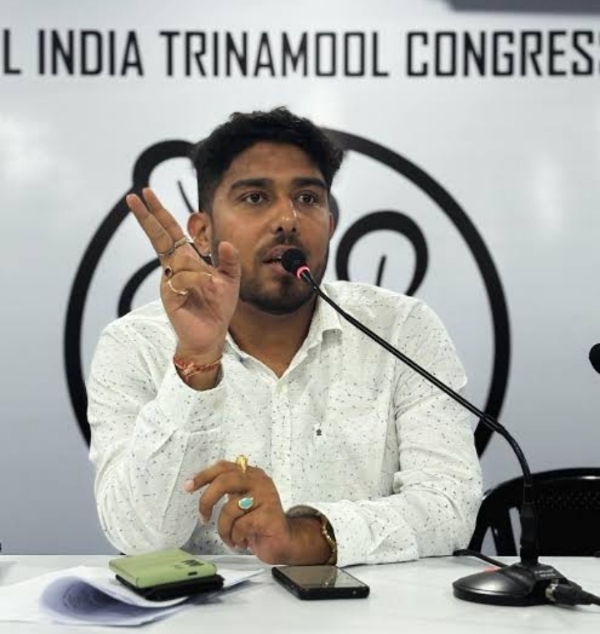
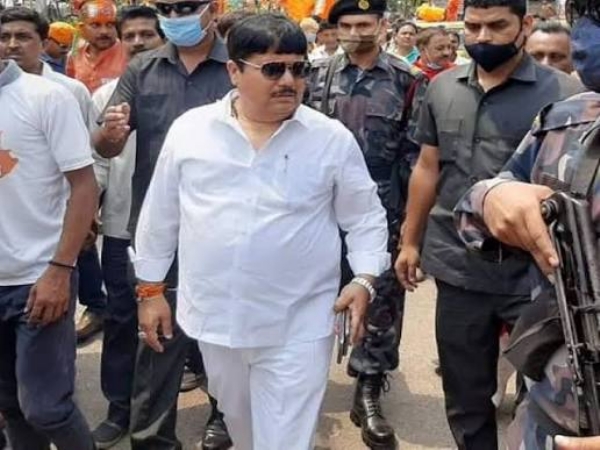
Kolkata, 21 March (H.S.): The Noapara Assembly constituency in North 24 Parganas district has once again emerged as a politically significant seat in the 2026 West Bengal Assembly elections, with rapid urbanisation, improved metro connectivity, and changing demographics turning it into a key indicator of the political mood of the greater Kolkata region. While the contest is technically triangular involving the All India Trinamool Congress, the Bharatiya Janata Party, and the Left Front, the main battle is widely seen as a direct fight between the TMC and the BJP.
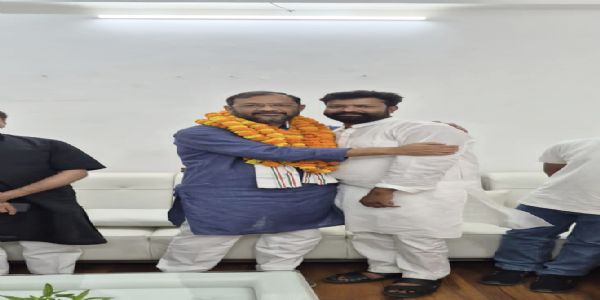
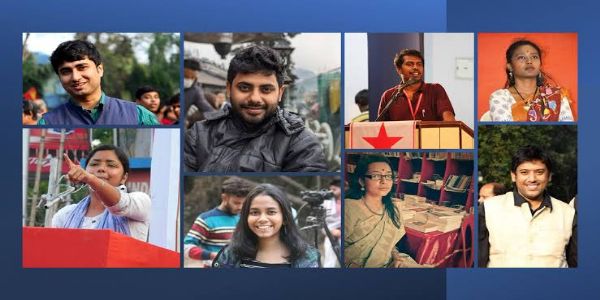
The TMC has fielded Trinankur Bhattacharya, the state president of its student wing, projecting a young face in the constituency. The BJP, on the other hand, has nominated former MP Arjun Singh, a leader known for his strong influence in the Barrackpore industrial belt, making the contest more high-profile. The Left Front has nominated Gargi Chatterjee in an attempt to retain its traditional support base.
Historically, the seat, which came into existence in 1957, was dominated by Left parties, particularly the Communist Party of India (Marxist), which won here eight times. The TMC first broke the Left’s winning streak in 2001, while the Left last won the seat in 2006. Since then, the constituency has witnessed shifting political equations, with victories also recorded by the TMC and the Congress.
In 2011, TMC candidate Manju Basu secured a decisive victory, but she lost narrowly to Congress candidate Madhusudan Ghosh in 2016. In the 2018 bypoll, the TMC fielded Sunil Singh, who won by a record margin. In 2021, Manju Basu was again fielded and she regained the seat by defeating Sunil Singh, who contested on a BJP ticket.
The constituency has also shown differing trends in Assembly and Lok Sabha elections. While the TMC’s performance in Assembly polls has fluctuated, the party has maintained a lead in parliamentary elections in the area between 2009 and 2024, though the BJP gave a tough fight in 2019. The TMC again expanded its lead in the 2024 general elections.
Noapara is predominantly an urban constituency, with nearly 95 percent of its voters residing in urban areas. Scheduled Caste voters account for about 18 percent of the electorate, Muslims around 11 percent, and Scheduled Tribes roughly 1.5 percent. A declining voter turnout trend has also been observed, dropping from about 83 percent in 2011 to around 73 percent in 2021, reflecting a pattern of lower electoral participation often seen in urban constituencies.
Infrastructure development has significantly changed the profile of the constituency. The Noapara Metro Station has emerged as a key landmark, connecting the area directly with major parts of Kolkata such as Dum Dum, Esplanade, Park Street, and New Garia. Strong road connectivity through Barrackpore Trunk Road and bus services linking Howrah, Salt Lake, and Sealdah have also strengthened the area’s connectivity. The proximity to the Dakshineswar Kali Temple and nearby industrial zones has contributed to the local economy, supported by educational institutions, small industries, and defence establishments.
Key issues likely to shape the 2026 contest include urban civic amenities, traffic management, drainage, employment opportunities, infrastructure development, and law and order. The BJP is attempting to build an anti-incumbency narrative against the long-ruling TMC, while the TMC is relying on its organisational strength and welfare schemes to retain its advantage.
Political observers believe that while the TMC appears to have an initial edge based on organisational strength and past electoral trends, the BJP’s growing influence in the Barrackpore industrial belt could make the contest highly competitive. The Left Front’s stable vote share may also influence the final outcome.
Overall, Noapara is expected to be one of the key constituencies in 2026 where the mood of the urban electorate, candidate credibility, and booth-level strategies could play a decisive role in determining the result.
Hindusthan Samachar / Satya Prakash Singh