Pongal, a prominent harvest festival in Tamil Nadu, and Jallikattu, a traditional bull-taming sport associated with it, represent integral facets of Tamil heritage. These practices embody gratitude toward nature, agricultural abundance, and community resilience. While Pongal fosters familial and societal bonds through rituals honoring the sun, earth, and livestock, Jallikattu highlights valor and breed preservation amid ongoing debates on animal welfare. This article explores their historical roots, cultural significance, socio-economic implications, and contemporary challenges.
Traditional Value of Pongal
Pongal traces its origins to the Sangam Age (200 BCE to 300 CE), a formative period in Tamil history characterized by agrarian societies and literary flourishing. The festival's name derives from the Tamil word pongu, meaning to boil over, symbolizing prosperity and overflow of harvest yields. It marks the end of the winter solstice and the sun's northward journey (Uttarayana), coinciding with the Tamil month of Thai, considered auspicious for new beginnings.
Traditionally, Pongal honors the sun god Surya, nature, and farm animals for sustaining agriculture, which has been central to Tamil livelihood since ancient times. References in ninth-century Shaiva texts like Tiruvempavai by Manikkavacakar underscore its spiritual dimension, linking it to themes of devotion and renewal.
During the Chola dynasty, the ceremonial dish of Pongal—rice boiled with milk and jaggery—was documented in inscriptions, emphasizing communal sharing and thanksgiving. These elements highlight Pongal's role in preserving Tamil identity, where agriculture is not merely economic but a cultural ethos of harmony with the environment.
Cultural Heritage of Pongal
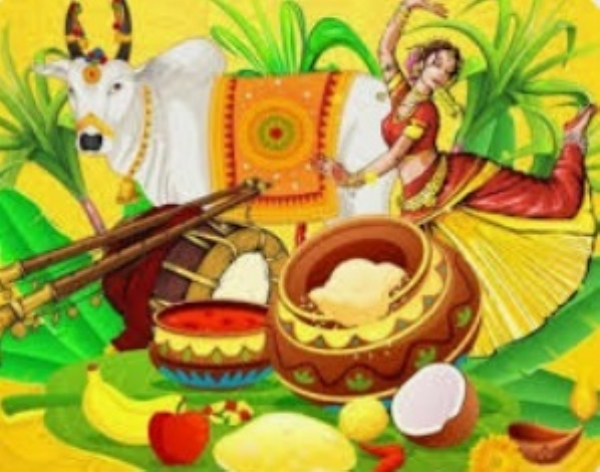
Pongal spans four days, each with distinct rituals reflecting Tamil cultural heritage and agrarian cycles. The first day, Bhogi Pongal (January 14, 2026), involves discarding old items and bonfires, symbolizing renewal and the removal of negativity. Homes are adorned with kolams—geometric rice-flour designs invoking prosperity and feeding small creatures, embodying charity and ecological balance. The second day, Thai Pongal (January 15, 2026), is the core event, dedicated to Surya. Families prepare the Pongal dish outdoors, allowing it to boil over as a sign of abundance, offered first to deities.
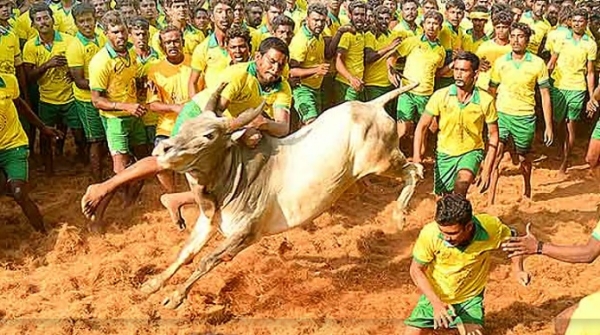
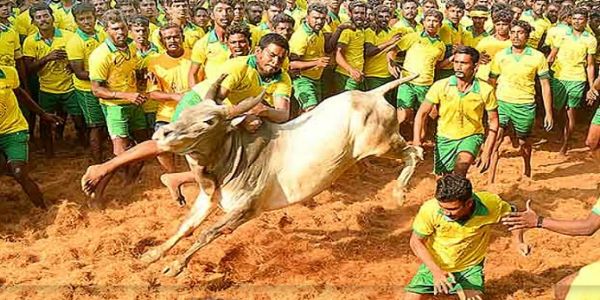
This ritual reinforces gratitude for the harvest and communal feasts strengthen social ties. The third day, Mattu Pongal (January 16, 2026), honors cattle with decorations, baths, and special feeds, acknowledging their role in farming. Jallikattu often occurs here, blending sport with reverence for bulls.
The final day, Kaanum Pongal (January 17, 2026), focuses on family outings and reunions, promoting leisure and bonding. Cultural events like folk dances, bull parades, and community gatherings preserve Tamil arts, while temple visits integrate spirituality. These stages encapsulate Tamil heritage, blending Vedic influences with local customs for sustainable living.
Pongal's Deep Roots in Daily Life
Pongal is profoundly embedded in Tamil daily life, influencing cultural norms and economic activities. In rural areas, it reinforces agrarian routines, with preparations involving kolams and cattle care becoming habitual expressions of devotion. Urban Tamils adapt it through community events, maintaining cultural continuity amid modernization.
Socio-economically, Pongal drives rural prosperity. It boosts markets for sugarcane, turmeric, and earthen pots, supporting artisans and farmers. In 2025, festival spending in Tamil Nadu exceeded ₹10,000 crore, aiding small vendors and pottery families with supplemental income for education and healthcare.
It promotes environmental sustainability by emphasizing organic practices and native breeds, aligning with modern eco-friendly habits. Amid challenges like droughts and farmer suicides (over 300 in Tamil Nadu in 2024), Pongal fosters resilience, with government schemes distributing aid during festivities. Globally, the Tamil diaspora sustains it, contributing remittances estimated at ₹5,000 crore annually, enhancing economic ties.
History of Jallikattu
Jallikattu, or bull embracing, dates to the Tamil classical period (400-100 BCE), depicted in Indus Valley seals showing human-bull interactions. Originating among Ayar tribes in the Mullai region, it evolved from cattle herding to a display of bravery during Pongal. The term derives from sallikaasu (coins) and kattu (package), referring to prizes tied to bulls' horns during colonial times. Under Nayaka kings, it became a warrior sport, gaining widespread popularity in districts like Madurai.
Pros and Cons of Jallikattu
Jallikattu embodies Tamil values of courage, honor, and rural pride, serving as a platform for youth to showcase valor without harming bulls intentionally. Pros include cultural preservation and economic boosts; events generate ₹50 lakh to ₹2 crore in spending per village, benefiting local businesses and tourism. It attracts spectators, enhancing rural economies.
Cons center on animal welfare and safety. Critics argue it violates the Prevention of Cruelty to Animals Act, 1960 (PCA Act), Sections 3 and 11, prohibiting unnecessary pain through practices like tail-twisting or irritant use. Investigations reveal persistent cruelties despite regulations, including poking with sticks and denying rest.
Human risks are evident; while comprehensive year-wise data for 2021-2025 is limited in public records, reports indicate fluctuating incidents: approximately 5 deaths in 2021, 7 in 2022, 4 in 2023, 6 in 2024, and 3 in 2025, primarily among youth participants and spectators, often from goring or stampedes. Regulations since 2017 aim to mitigate these, but enforcement gaps persist.
Is Jallikattu a Breed Conservation Effort?
Proponents view Jallikattu as vital for conserving native breeds like Kangayam and Pulikulam, whose populations declined from 1.17 million in the 1990s to under 200,000 by 2013. Studies by the Senaapathy Kangayam Cattle Research Foundation highlight its role in incentivizing breeding, as prized bulls fetch high prices (₹1.5-2 lakh). The Biodiversity Conservation Council of India notes these breeds' resistance to diseases, linking the sport to sustainable farming. However, critics argue it prioritizes spectacle over genuine conservation, with evidence of breed decline persisting.
Economic Relationship
Jallikattu intertwines economy and culture, generating ₹200-300 crore annually through sponsorships, tourism, and bull trading. In hubs like Thottiapatti, it sustains livelihoods for breeders and artisans crafting ornaments. The 2026 Avaniyapuram event, with 1,100 bulls and 550 tamers, exemplifies this, boosting local security, veterinary services, and hospitality. It preserves cultural identity while supporting rural economies amid urbanization.
In conclusion, Pongal and Jallikattu encapsulate Tamil Nadu's enduring traditions, balancing cultural pride with modern imperatives. While they drive socio-economic growth, addressing welfare concerns remains essential for sustainable evolution.( Author is associated with Hindusthan Samachar as representative for the Tamilnadu State)
---------------
Hindusthan Samachar / Dr. R. B. Chaudhary
06 Jan 2026
Mumbai-Nagpur Samruddhi Highway: This is not Just a Road, it's a Highway of Development
Mumbai-Nagpur Samruddhi Highway: This is not Just a Road, it's a Highway of Development..